Read More
The Trade Descriptions Ordinance, which came into effect in 2013, does not cover goods or services under the Mandatory Provident Fund Schemes Ordinance.
ADVERTISEMENT
SCROLL TO CONTINUE WITH CONTENT
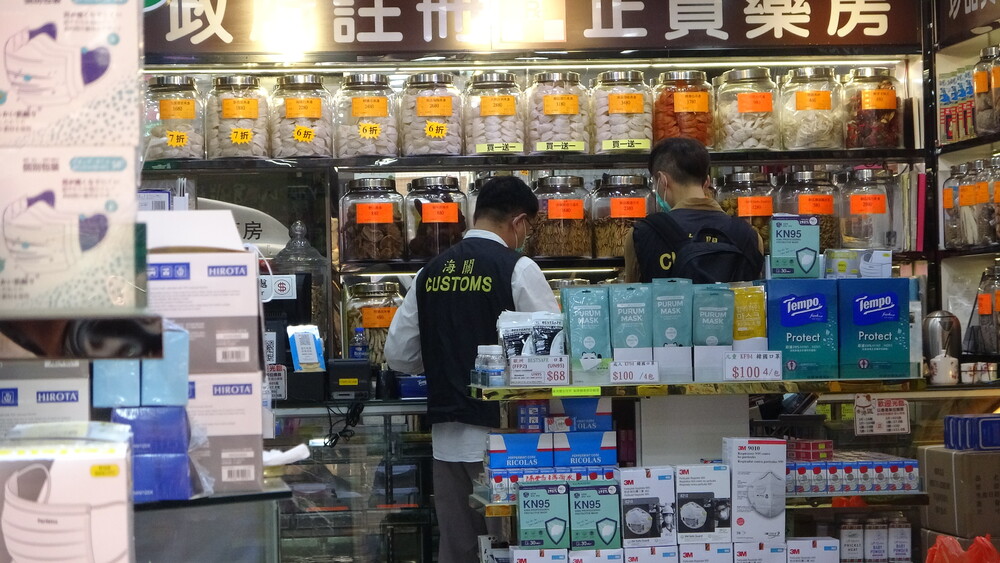
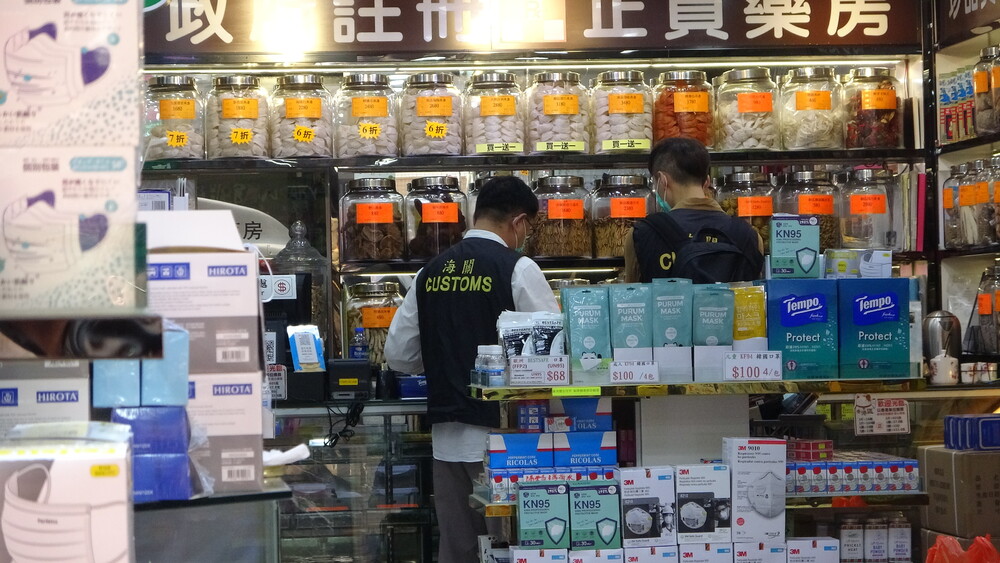
Hong Kong Customs and Excise Department, which is the main law enforcer of the ordinance, targets shops and companies whose products have false trade descriptions - but it is understood that only small fry like pharmacies and restaurants are taken to task, if they violate the law.
For instance, Customs officers arrested a female director of a Tai Po restaurant earlier this month after its two dishes allegedly claimed to be "abalone and ham macaroni" and "abalone and ham omelette," but the "abalone" was actually squid.
Former Federation of Trade Unions lawmaker Bill Tang Ka-piu, who is an employee representative at the Labour Advisory Board, said it was not necessary to extend the ordinance's coverage to MPF products as these products are regulated by the MPF Authority.
"It might not be suitable if the law enforcer of the Trade Descriptions Ordinance is the Customs and Excise Department," he said. "Customs would try not to deal with financial products as this field can be complicated and involve a lot of specific laws."
But he said the MPFA cannot shirk its responsibility as a regulator.
"I think it has a problem if the proportion (of equity allocation) is higher than 10 percent, as they [MPF trustees and investment managers] may have evaded the authority's monitoring and misled employees," Tang said.
Tang also said employees' right to know is important, especially in light of political risks amid China-US tensions. "People have the right to know whether their pensions invested in the North American market would be affected by sanctions," he said.
He said the US government has put curbs on its state pension funds in investing in China.
"Will they also do something to affect the North American equities [in MPF funds]? For example, [they might request] the trustees or investment managers to report to the US government unreasonably, or even freeze the funds," Tang said.