With chronic mask shortages in the midst of a virus outbreak, Hongkongers have started making their own - with a pop-up production line and seamstresses churning them out on sewing machines.
In one of the most densely populated places on Earth, masks have become hot property as people scramble for protection against the coronavirus.
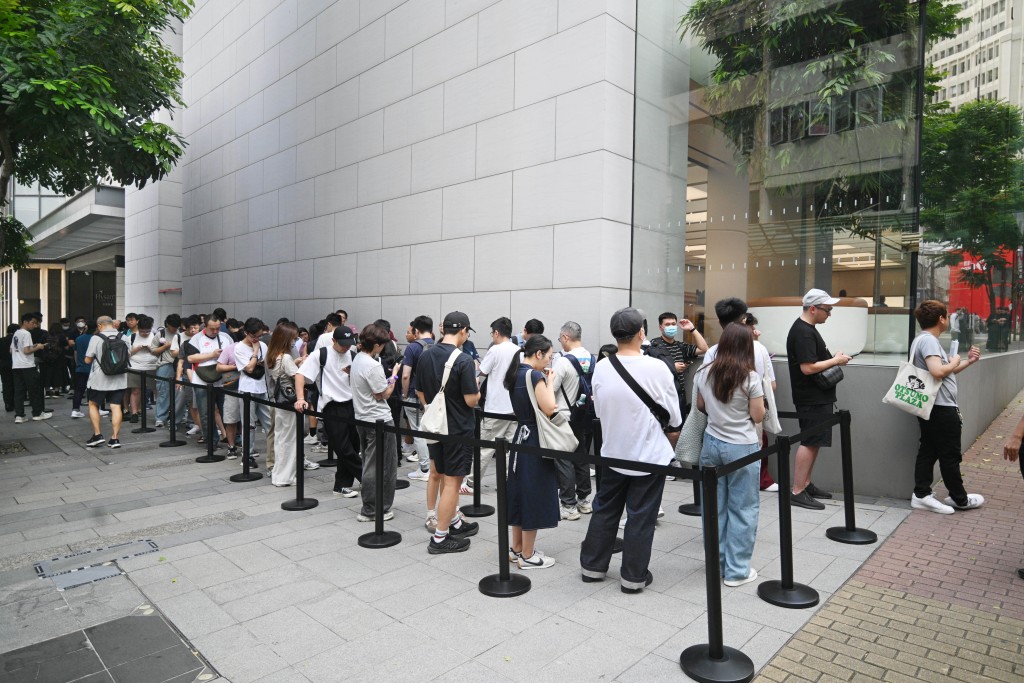
Long queues - sometimes thousands strong - routinely crop up outside pharmacies when supplies are in, and there is anger at the government's failure to have stockpiled.
Some are turning to DIY solutions -albeit of questionable quality.
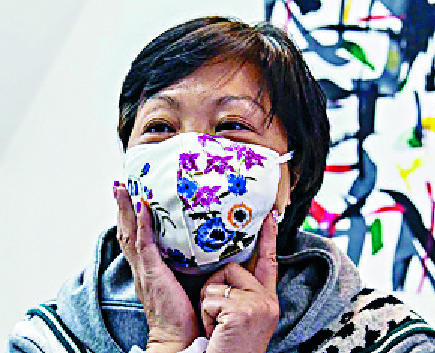
Judy, a 73-year-old out shopping in Wan Chai, was spotted in a homemade mask.
"I found the material - my handkerchief and some non-woven fabric - and I combined them and used some wire for the top and some elastic," she says.
While Hong Kong's economy reels, business has been brisk on one street in Sham Shui Po, which boasts many fabric and tailoring shops.
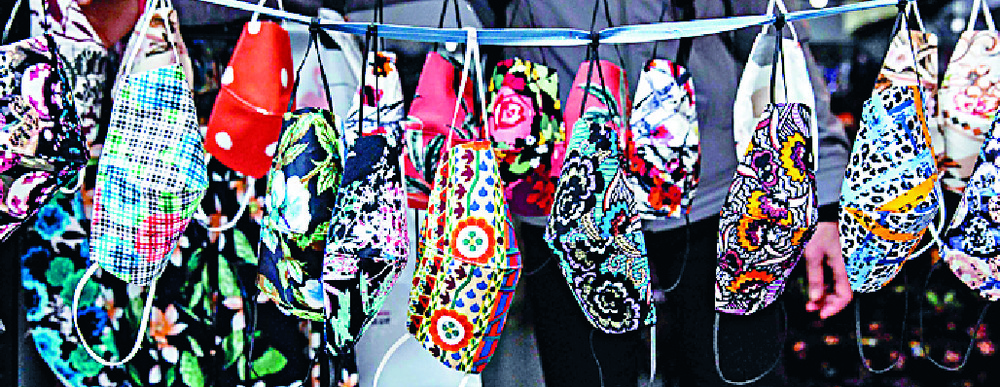
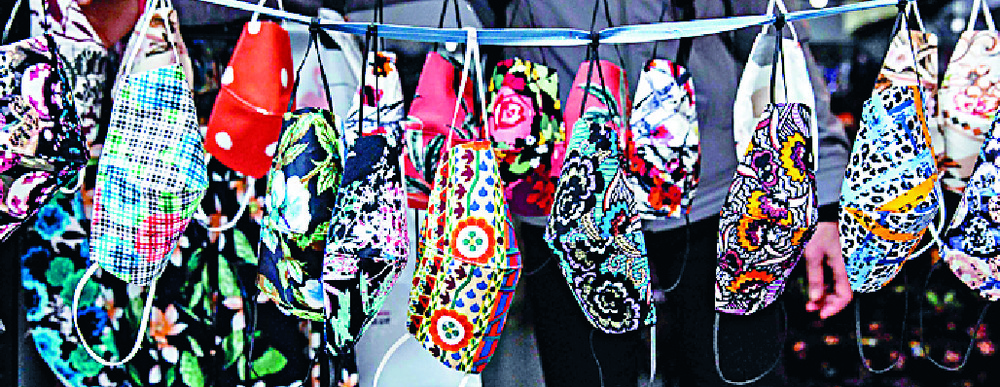
A colorful array of cloth masks hangs outside many of the cramped storefronts as shoppers haggle over the din of whirring sewing machines.
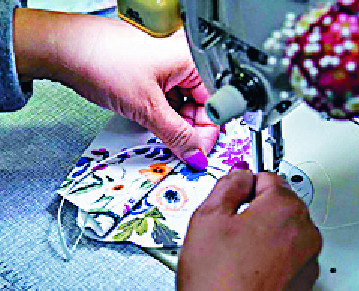
Elase Wong, a tailor, says she was giving away her sewing design for her masks.
"Some people couldn't buy any masks," she says. "So if they can make them themselves, that will be great. I hope everyone can achieve self-sufficiency."
The price of masks has skyrocketed with scarcity and the administration resisting price controls or rationing as in Macau and Taiwan.
A set of 50 simple surgical masks can sell for up to HK$300 while the top-of-the-range N95 variety is going for as high as HK$1,800 a box.
A film director named Tong has been putting the finishing touches to a mask assembly line in an industrial building.
"I was shocked by the price of masks," he says. "I did some research and realized that masks are not that difficult to make. Why do people have to bear such a high cost? Because there is no production line in Hong Kong."
With the help of an investor, he has imported a machine from India and plans to ship more.
Currently in the testing phase, the device is set to produce 60-80 surgical masks per minute in a dust-free room.
Tong says the masks will be sold online for HK$1-2 each, limited to one box per person.
The administration of Chief Executive Carrie Lam Cheng Yuet-ngor says it is doing all it can to secure new supplies of masks amid a global shortage.
Output has been ramped up on a prison labor production line and there are plans to set aside HK$1.5 billion to support the creation of domestic factories.
The lack of stockpiles has sparked criticism of Lam, even from among her pro-Beijing political allies.
Many have expressed surprise that a place which suffered 299 deaths during the 2003 SARS outbreak was not better prepared.
Since SARS, which Beijing initially covered up, Hongkongers have embraced higher communal hygiene standards and masks have long been a common sight, especially during the winter flu season.
Joseph Kwan, a public health expert at the University of Science and Technology, says widespread mask use during the SARS period also lowered cases of the common cold that year.
In a tightly packed place like Hong Kong, new viruses will "spread like wildfire if nobody wears a mask," he adds. "It would be a public health disaster."
AGENCE FRANCE-PRESSE