Read More





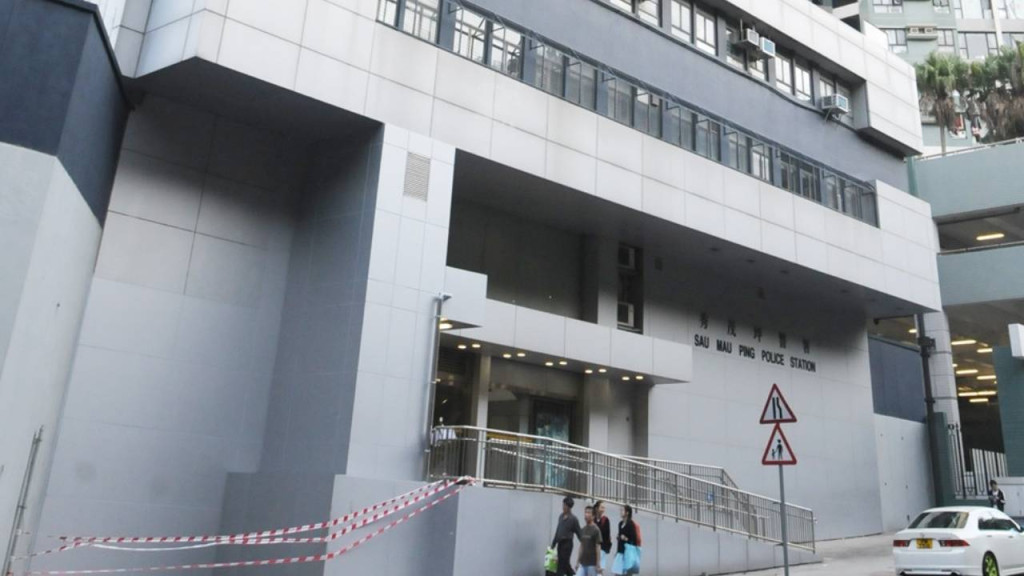
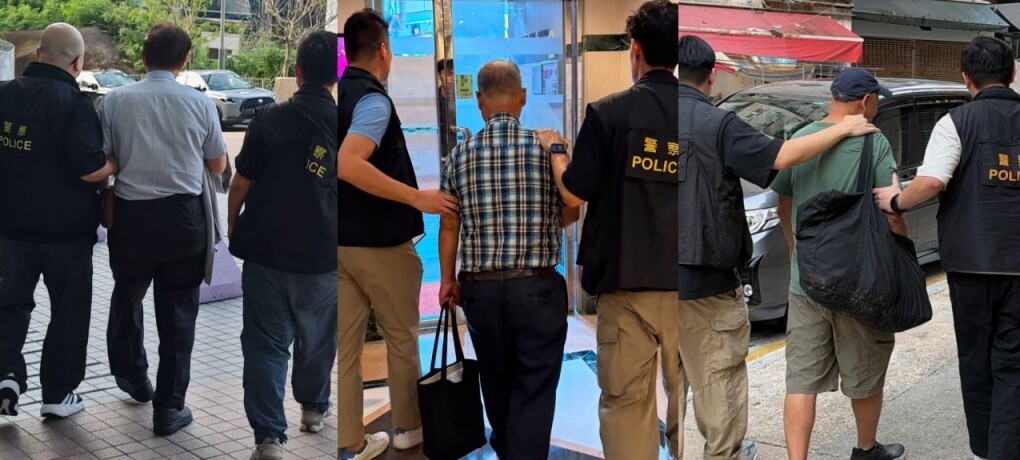
Three arrested over missing fire door frames in public estate lift overhaul
16-10-2026 20:10 HKT
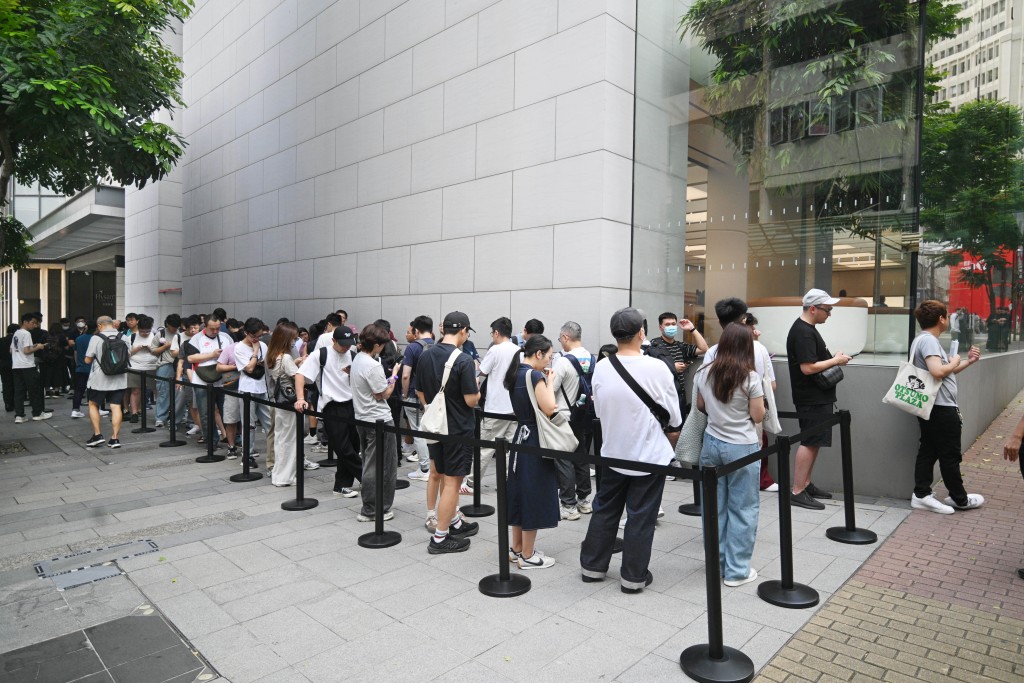
Credit card fraud hits foldable iPhone Duo launch
17-10-2026 12:23 HKT
Hong Kong will lower the stamp duty on stock trading to 0.1 percent for both buyers and sellers from 0.13 percent, with an aim to complete the legislative procedures by the end of next month.
The SAR government had raised the levy to the current level from 0.1 percent in August 2021 amid the pandemic.
A government-appointed task force did not recommend how much to lower the rate to, the sources added. The task force, which was set up in August to study ways to enhance market liquidity, had earlier submitted its proposals to the administration.
On other recommendations such as maintaining trading under severe weather, sources said the arrangements are expected to launch next summer.The Securities and Futures Commission and Hong Kong Exchanges and Clearing are working on the technical details to allow brokers to use banking services during bad weather, they added.
HKEX and financial regulators will review and explore ways to narrow the minimum trading spreads, and are expected to consult the market in the second quarter of next year.The bourse operator will also cut market data fees later this year and will aim to implement its revised listing rules for the Growth Enterprise Market board in the first quarter of next year.
Carlson Tong Ka-shing, who chairs the 13-member task force, believes the short-term measures could lift investor sentiment and help boost turnover when the external environment improves.A former SFC chairman, Tong said cutting such taxes will have a great impact on the government, which will see a decline of HK$4 billion in revenue per year for every drop of 0.01 percentage points.
Financial sector lawmaker Robert Lee Wai-wang, a member of the task force, said although the cut is not a bold one, he understood the need to strike a balance to maintain fiscal health.But the Hong Kong Securities and Futures Professionals Association said the slight cut is far from enough to boost market liquidity, believing the government should further cut the tax or even remove it to attract international capital.
Brokerage Tiger Brokers, however, said it may encourage more high-frequency trading.In other measures to strengthen Hong Kong's role as a financial center, HKEX will establish a new integrated fund platform within the next year to expand the fund distribution network.
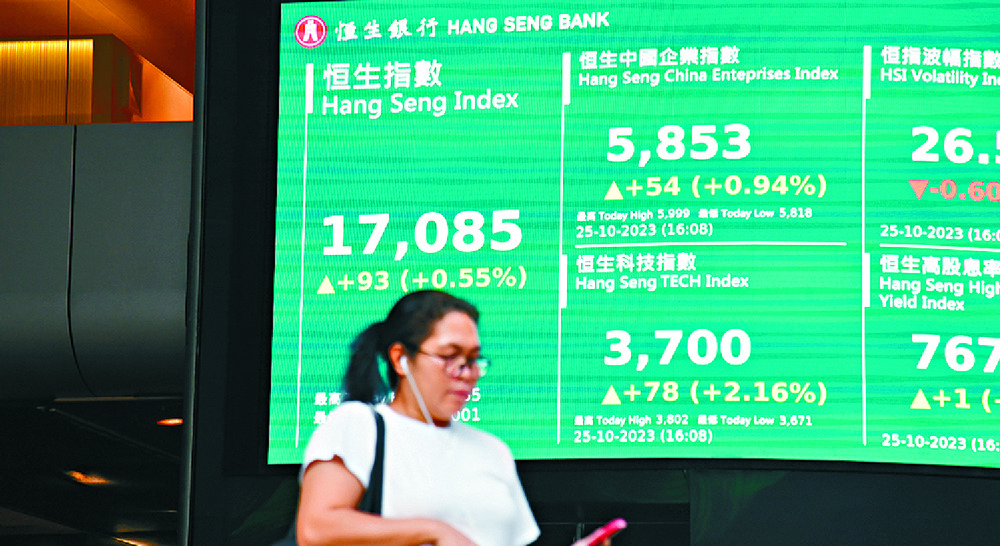
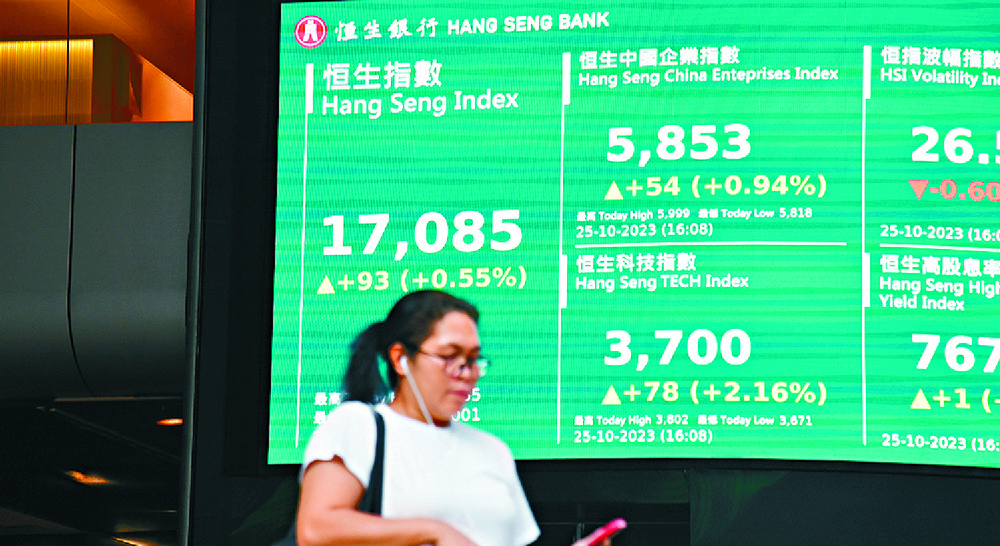
Hong Kong stocks pared their gains to close only 93 points higher at 17,085 following the release of the policy address after surging over 470 points at one time on China's 1 trillion yuan (HK$1.1 trillion) sovereign bond plan to prop up the economy.And shares in HKEX fell 4.1 percent as the cut on stock stamp duties failed to meet market expectations.
caroline.zheng@singtaonewscorp.com