Read More











Teenager arrested at Hong Kong airport for luggage theft
02-10-2026 14:00 HKT

HK raises minimum wage for foreign domestic helpers to $5,220
02-10-2026 18:06 HKT
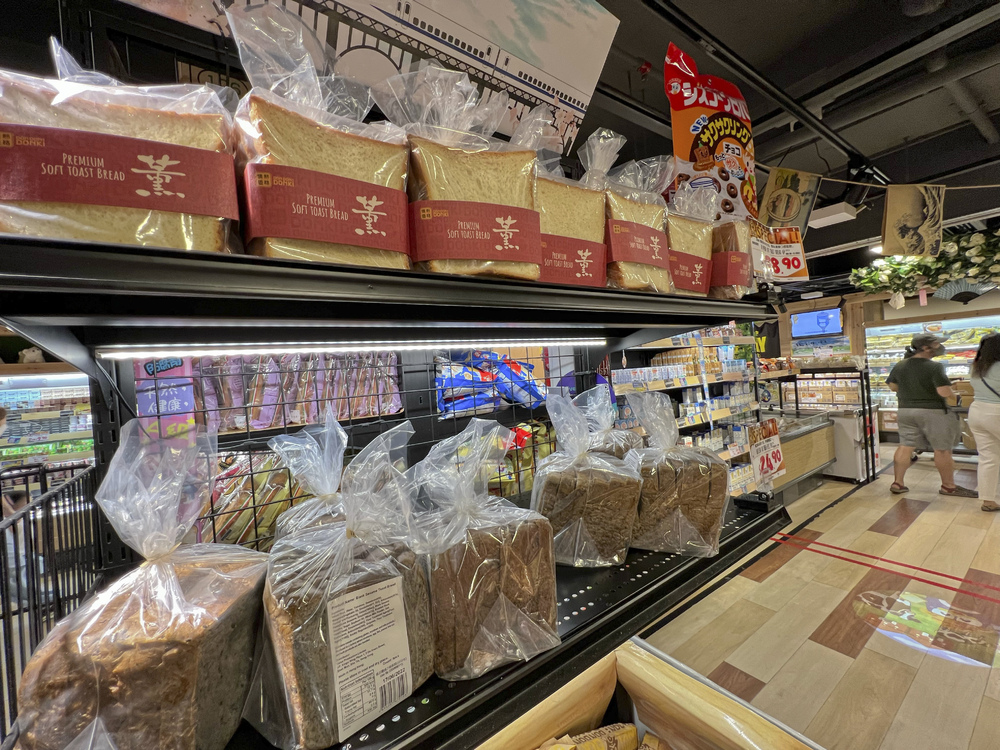
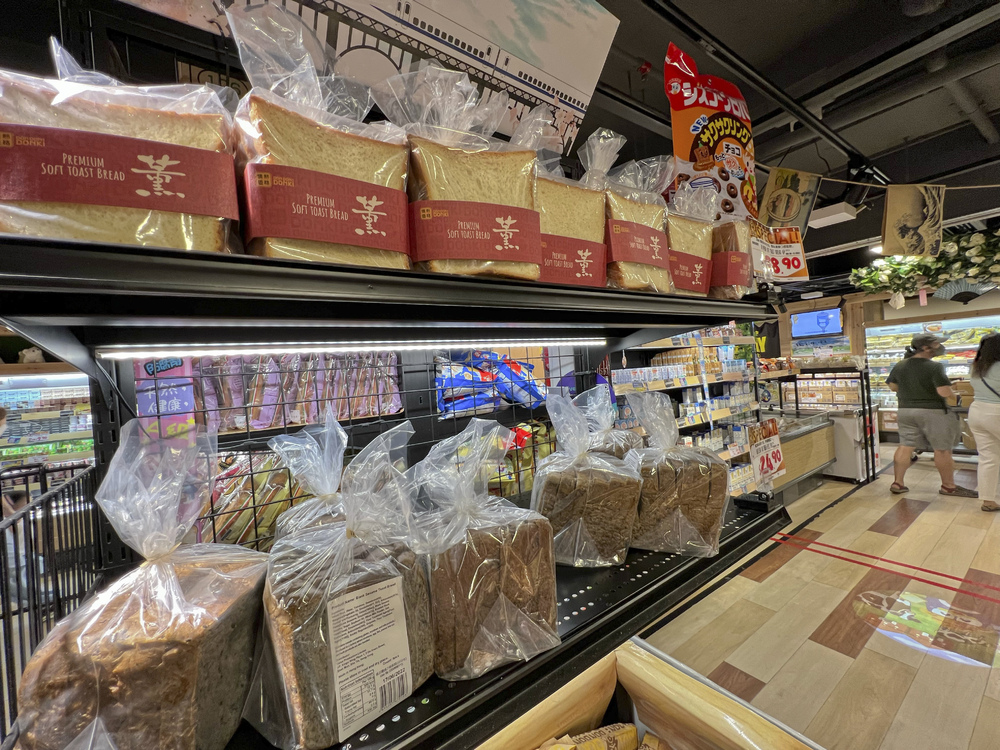
Eating two slices of bread could mean a sodium intake of over 20 percent of the daily limit recommended by the World Health Organization, according to a study by the Consumer Council.
The watchdog looked into 28 samples of prepackaged white bread and wheat bread on the market and found the average salt content was higher than nonprepackaged bread it tested four years ago.
None of the samples in the 2018 test breads were considered high in sodium, fat or sugar.
But sodium contents have increased by 3.1 percent in white bread and 2.5 percent in wheat bread compared to 2018.
The sodium content in every 100 grams of bread on average is 433 milligrams in white bread and 417mg in wheat bread.
White bread from 759 Bakery had the lowest level of sodium in the latest check, with 298mg of sodium in every 100g, while Costini wheat bread has the lowest sodium content at 208mg in every 100g.
Also among samples, Simplylife white bread had the highest sodium level at 567mg sodium per 100g.
And wheat bread from Saint Honore contained 503mg of sodium per 100g of bread.
Bread makers tend to use materials with sodium to make the bed softer. But an over-consumption of sodium increases the risk of high blood pressure and stroke, council chief executive Gilly Wong Fung-han noted.
The Centre for Food Safety set voluntary reduction goals for white bread and wheat bread in 2019 at 490mg and 470mg of sodium for 100g of bread.
But the watchdog's test found three samples of white bread and four samples of wheat bread failed to achieve the goals.
It noted too that if bread samples with a high sodium content were used for making a sandwich with ingredients also high in sodium - such as cheese or ham - then consumers would have gone way over a healthy mark.
The latest test results confirmed that wheat bread has higher dietary fiber and mineral contents than white bread.
It was also found that healthy meal plans that cost up to HK$14,000 on monthly subscriptions for three meals have inconsistent counts of calories, carbohydrates and protein compositions.
"Based on the test results the biggest risk is the discrepancy between the claimed nutritional value and the actual value that came from the tests," Wong said.
In nine meals prepared by different service providers, eight had at least one nutrient that did not comply with the amount claimed on labels.
The watchdog said this might mislead consumers, interfere with health plans and even incur health risks.