Read More









Morning Recap - October 15, 2026
7 hours ago

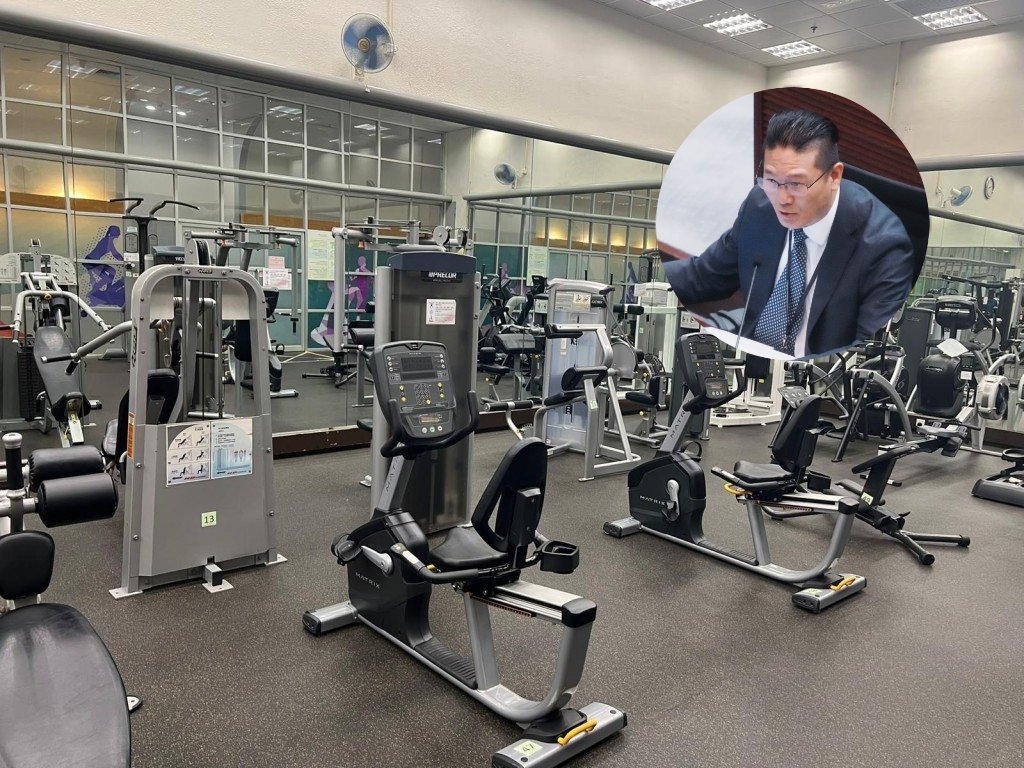
Reforms demanded to fix Hong Kong's severely oversubscribed public gyms
14-10-2026 11:45 HKT
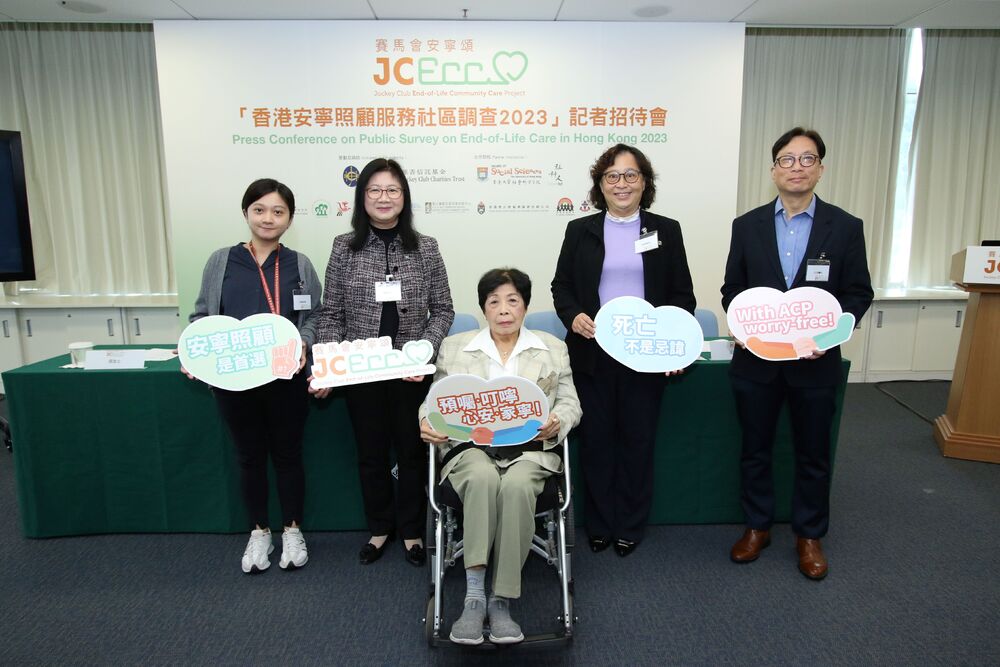
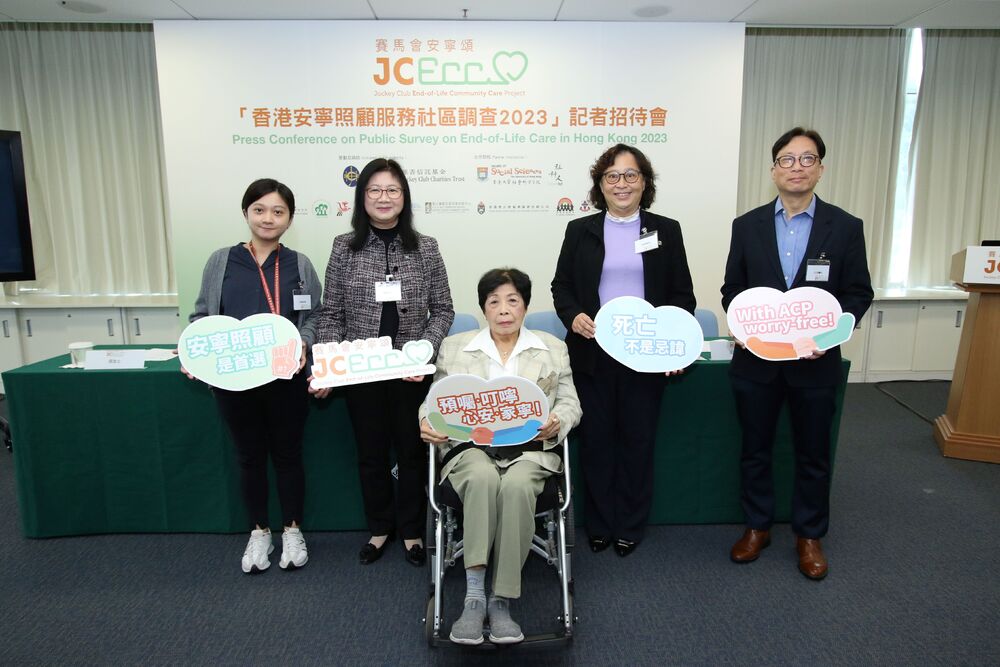
Most people in Hong Kong are unfamiliar with "end-of-life care," a survey by the University of Hong Kong has found, with researchers saying life-and-death education is lacking.
End-of-life care is for patients with diseases who are not responsive to treatment, and their life expectancies are counted in days or months.
The survey is part of the Jockey Club Charities Trust-funded 10-year Jockey Club end-of-life community care project, which aims to improve care quality, enhance the capacity of service providers and raise public awareness.
The poll took in 1,506 locals aged 18 or above from July to October.
Seventy percent of the respondents said they had never heard of such care.
The majority had never heard of advance care planning or of advance medical directives.
Advance care planning is a process of communication intended for mentally competent patients to express preferences ranging from medical or personal care, to make an advance directive refusing life-sustaining treatment.
Said Amy Chow Yin-man, project director and head of the department of social work and social administration: "Surprisingly, after explaining these unfamiliar terms to those respondents, two thirds said they would accept end-of-life care when faced with a terminal illness."
"Over 60 percent of them support their family members to establish advance medical guidelines," she said.
Over 75 percent were not resistant to discussing end-of-life issues, but only a quarter had communicated their end-of-life care wishes to family members.
They said it enhanced their mutual understanding, had feelings of relief, reduced worries and even improved their relationships.
"They don't resist does not mean that the information reaches them. I believe that the current promotion of end-of-life education is insufficient," Chow said.
"Some people find the procedures complicated and are concerned that some documents do not have legal effect. These are the reasons why they hesitate to take one step forward," she added.
Three-quarters did not share their willingness for late-stage care with family members, with respondents saying factors like difficulty broaching the topic, concerns over their family's reaction and lack of knowledge on the topic, are the reasons for not telling their willingness to their families.
Said Wong Che-keung, associate consultant at Ruttonjee and Tang Shiu Kin Hospitals' medicine and geriatric department: "It is important to have adequate communication among patients and their family so they can understand their thoughts, avoid unnecessary disputes in the future and honor the patient's wishes."