
Read More








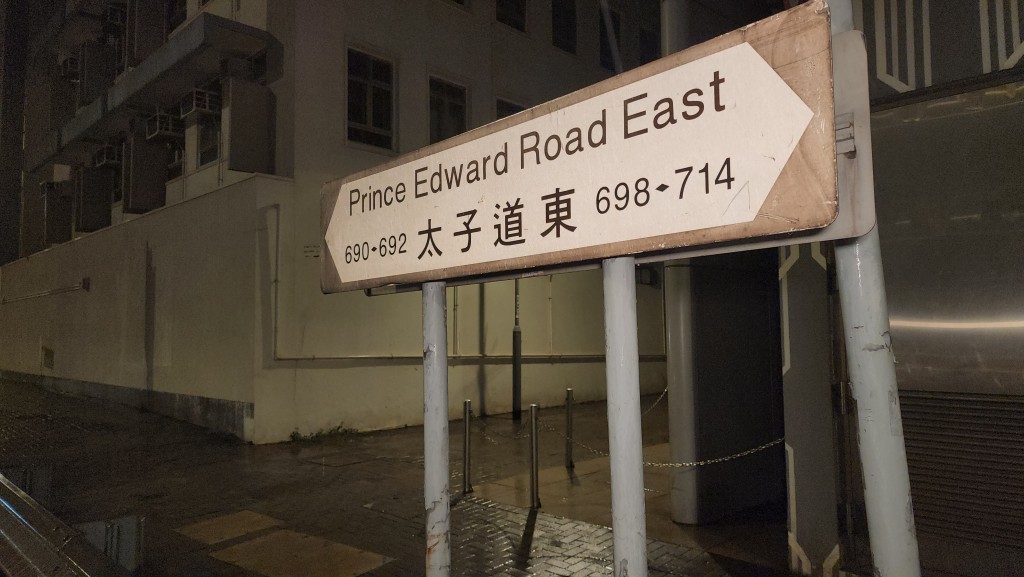
The Hong Kong government said street signs should remain simple and clear for road users, but authorities may consider adding historical information where necessary following suggestions to provide more background on streets named after British colonial figures.
The issue was raised in a written inquiry by Election Committee lawmaker Chan Cho-kwong, who noted that Hong Kong still has many streets named after British officials, including Pottinger Street, named after the city’s first governor Henry Pottinger, as well as roads such as Bowen Road and Queen’s Road.

Chan asked whether the government would consider adding explanatory facilities with text and images at relevant locations to provide objective historical background. He also suggested placing QR codes next to historically significant street signs, linking the public to official national education information platforms.
He further proposed selecting streets associated with major historical turning points — such as the Opium War, the War of Resistance against Japanese Aggression, or Hong Kong’s return to Chinese sovereignty — and incorporating national education elements into the explanations to help residents and tourists better understand China’s path toward national rejuvenation through walking tours.
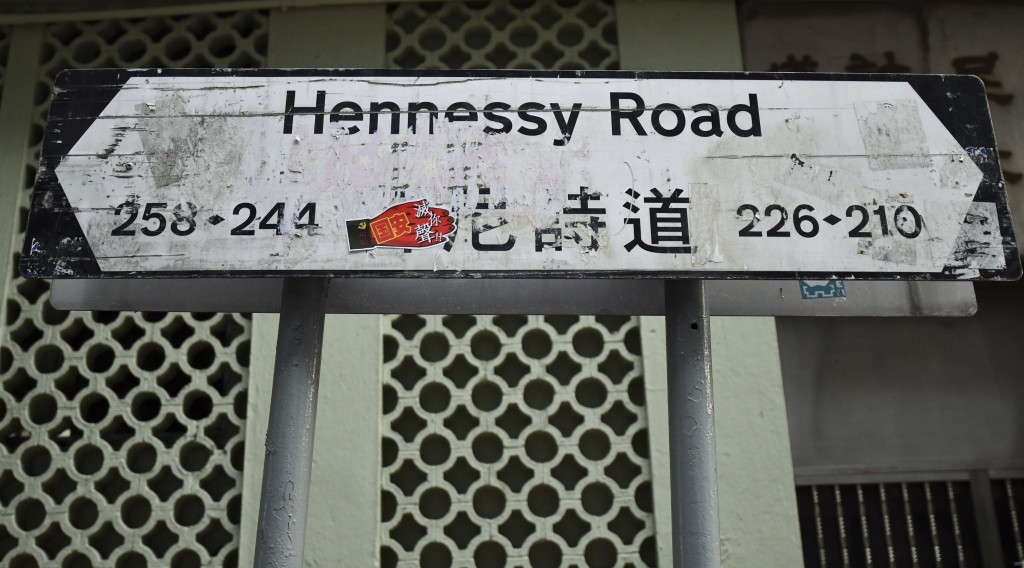
In a written reply, the Culture, Sports and Tourism Bureau said the Lands Department is responsible for street naming in Hong Kong and has long regarded street names as “linguistic symbols representing the geographical, historical, cultural and architectural characteristics of the places.”
The bureau said virtues promoted in traditional Chinese culture, including loyalty, filial piety, benevolence, righteousness, propriety, wisdom and trustworthiness, have long been considered in street naming.
It added that future developments in the Northern Metropolis and other new development areas would take into account the background and characteristics of the relevant locations when naming new streets.
On proposals to incorporate more historical promotion into street signs, the bureau said the primary design principle for street name plates under the Highways Department is that they “should be designed to be simple, clear and not causing inconvenience to road users.”
However, it said the department would “actively co-operate” with requests from relevant policy bureaus and departments to discuss suitable designs and produce customized street name plates if necessary.
The bureau also said the government has adopted a “multi-pronged approach” in promoting Hong Kong history through museums, performing arts, public libraries and community workshops organized by the Leisure and Cultural Services Department.
It added that the department could provide additional historical information related to streets from its archives and resources for consideration by relevant authorities when naming streets or designing explanatory displays.