Read More



Night Recap - October 16, 2026
11 hours ago





HK unlikely to be hit as Typhoon Champi gathers strength
15-10-2026 17:54 HKT

Elon Musk unveils Tesla's 'flying' car
15 hours ago
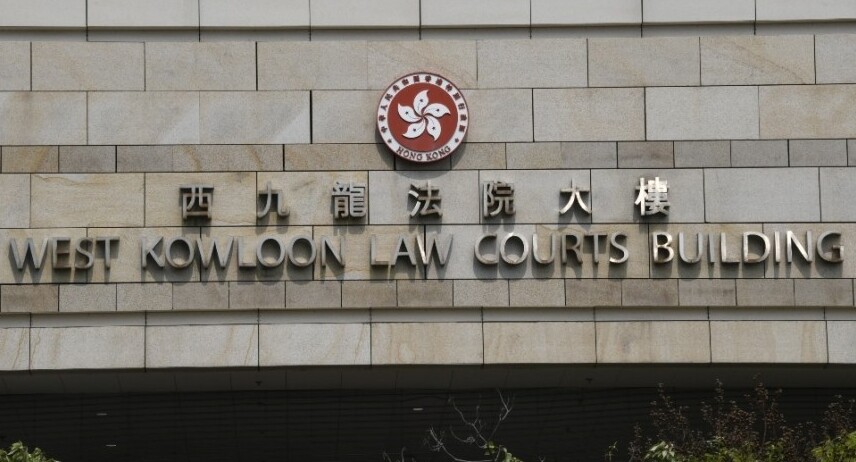
More than one medical worker should be assigned to help in high-risk and complicated medical procedures in intensive care units, a jury at the Coroner's Court has recommended.
The five-member jury after a four-hour deliberation yesterday ruled that a 83-year-old retired taxi driver, Kay Chee, died from a "misadventure."
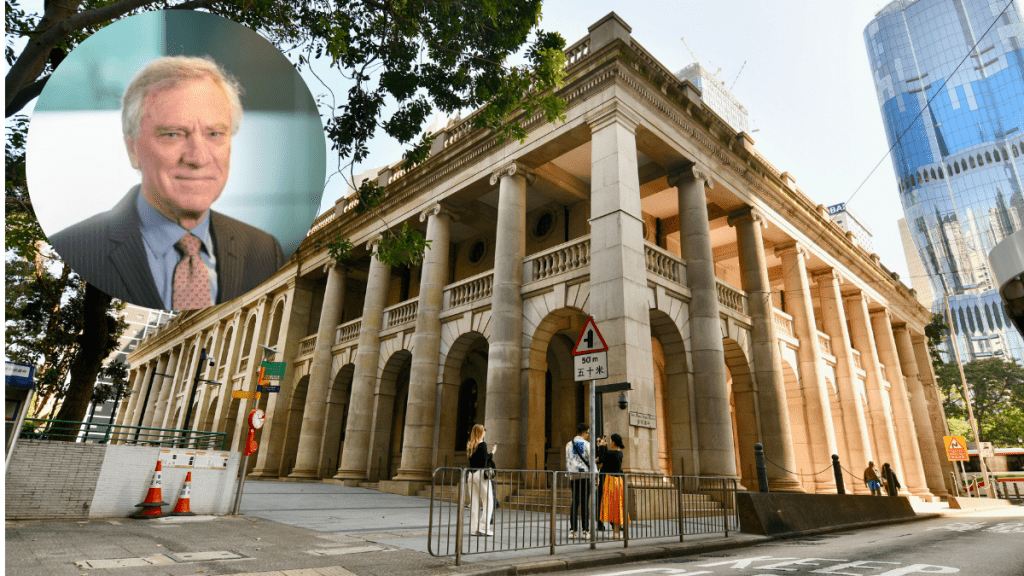
Coroner Stanley Ho Chun-yiu was earlier told a male nurse at Queen Mary Hospital's intensive care unit had unplugged his dialysis tube without following instructions while the patient's body was in the wrong position.
Ho heard Kay was admitted to Queen Mary Hospital for tomography on May 19, 2016.
On May 27, 2016, the nurse removed a dialysis tube inserted into Kay's body while he was sitting in an armchair, although he was supposed to be in a lying position. His condition deteriorated and he died three days later.
When guiding the jury of four men and one woman yesterday, Ho referred to the autopsy report, which said Kay's direct cause of death was acute myocardial infarction, and said the key to this case was whether the infarction was a potentially fatal condition.
After deliberation, all five jurors ruled that Kay died by misadventure.
The jury also made eight suggestions to the Hospital Authority, including to increase the manpower of intensive care units so more than one medical employee can help in high-risk and complicated medical procedures.
It also suggested that the patient's risk assessment form be reviewed by a superior prior to admission and that each column of the form have clear definitions for terms - such as "history of fall," which refers to whether the patient has any history of falls within that one year.
There should be clear reporting procedures in the advance incident reporting system, and the patient relations officer should receive the AIRS report within three days and contact the patient's family for follow-up.
The jury also said when doctors are instructing nurses to carry out high-risk medical procedures, they should point out to nurses what to pay attention to. The HA should also provide regular training on medical procedures which are high-risk or infrequent and cases that have had medical incidents before.
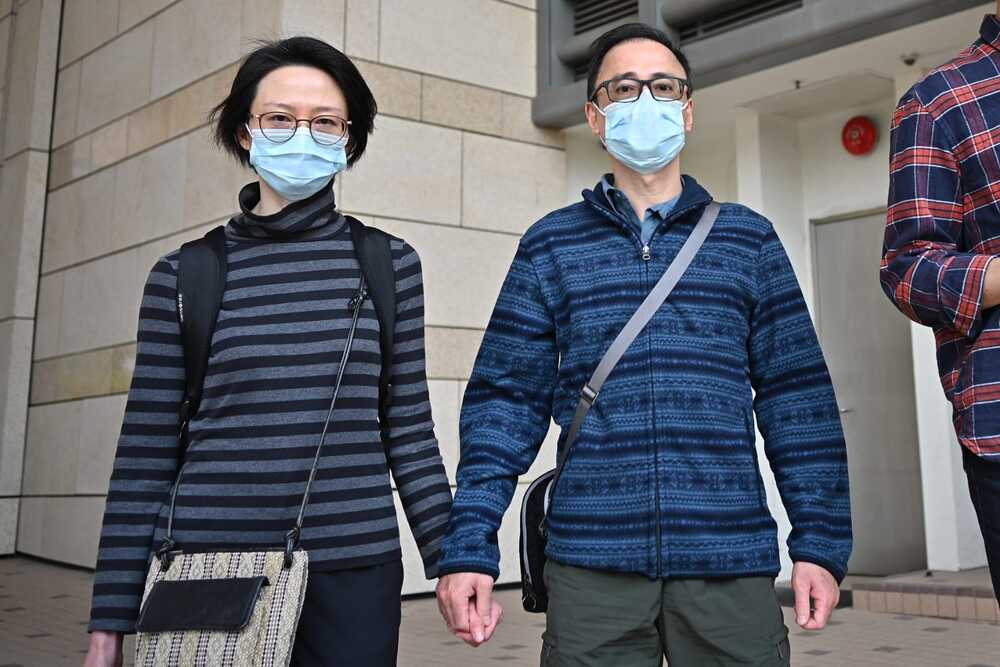
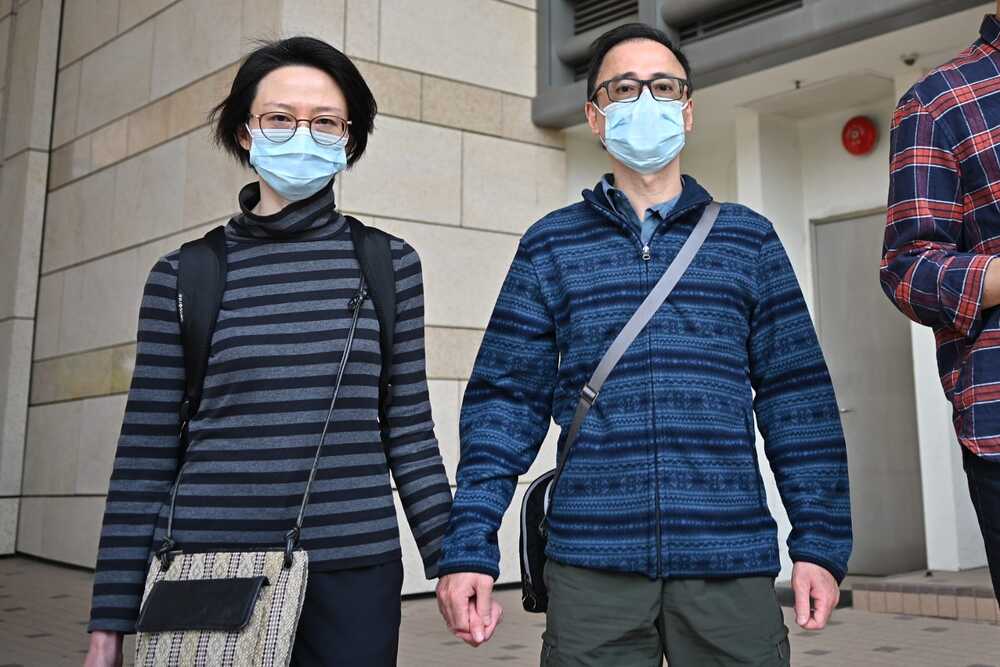
Kay's son, Stephen Kay Chi-fai, said outside court that he is satisfied with the verdict and breathed a sigh of relief as he is also "satisfied with the jury's suggestions that reflect various problems on the hospital's side.
However, Kay's daughter-in-law said the male nurse, Ho Lok-hei, is still refusing to admit to his mistakes and that he had told the court a different story when he had attended an inquiry of the Nursing Council of Hong Kong.
She also blamed herself for having too much faith in the doctor, adding "not every doctor is trustworthy."
A spokesman for Queen Mary Hospital yesterday said that they respect the court's ruling and will look into the suggestions in detail. He said the hospital once again sincerely apologizes to the family.