Read More
Local media is facing an unprecedented shock and is set to increase self-censorship, says the Hong Kong Journalists Association in its annual report yesterday.
ADVERTISEMENT
SCROLL TO CONTINUE WITH CONTENT
The report, titled "Freedom in Tatters," said Hong Kong's media environment has rapidly deteriorated over the past year.
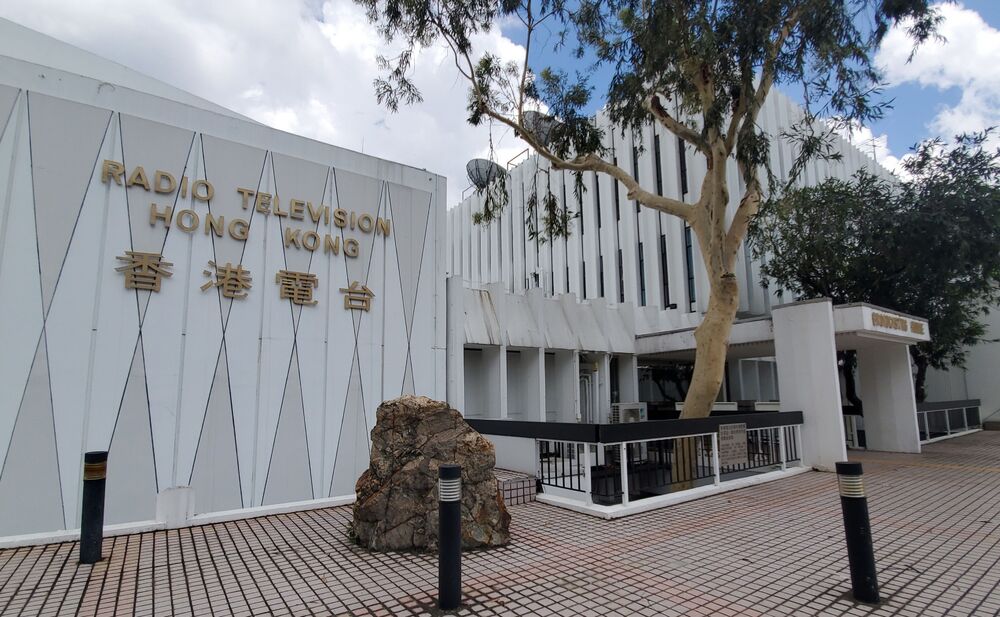
The report analyzed events that occurred over the past year under the national security law, such as the arrest of Next Digital founder Jimmy Lai Chee-ying, the transformation of RTHK, the tightening of data searches of public registers and police amending the definition of "media representative."
The association said that those events were an unprecedented shock to journalists.
"They also narrowed the space for free press and created higher risk for press workers. Also, these events aggravated self-censorship and threatened the public's right to know," it said.
The chief editor of the report, Chris Yeung Kin-hing, said the destructiveness of the national security law against press freedom was clearly shown by the closure of Apple Daily.
He added that some online media outlets had stopped operating or taken down some of their articles.
"It clearly shows that there's censorship and that room for freedom is shrinking, which is why we think freedom is in tatters."
Association chairman Ronson Chan Long-sing said: "The past year was definitely the worst year for press freedom."
He said authorities had trampled on press freedom, which was shown by incidents such as journalists' information being scrutinized by police when Apple Daily was raided and its editors arrested over the work they had produced.
Chan said media workers will want to know what content or commentary will breach the political "red line " that emerged from the national security law, but the government has not addressed this. "Perhaps only when the police arrive at our door will we know we have breached it."
The association opposes the government introducing a "fake news" law, with Yeung saying the media sector has its conduct and complaints mechanism.
"I hope the officials can at least learn the basics before taking a big leap to legislate [fake news] - they didn't even explain clearly how they will legislate," he added
In the report, the HKJA urged the National People's Congress to study amendments and supplementary provisions - in particular, making public interest a defense for journalists.
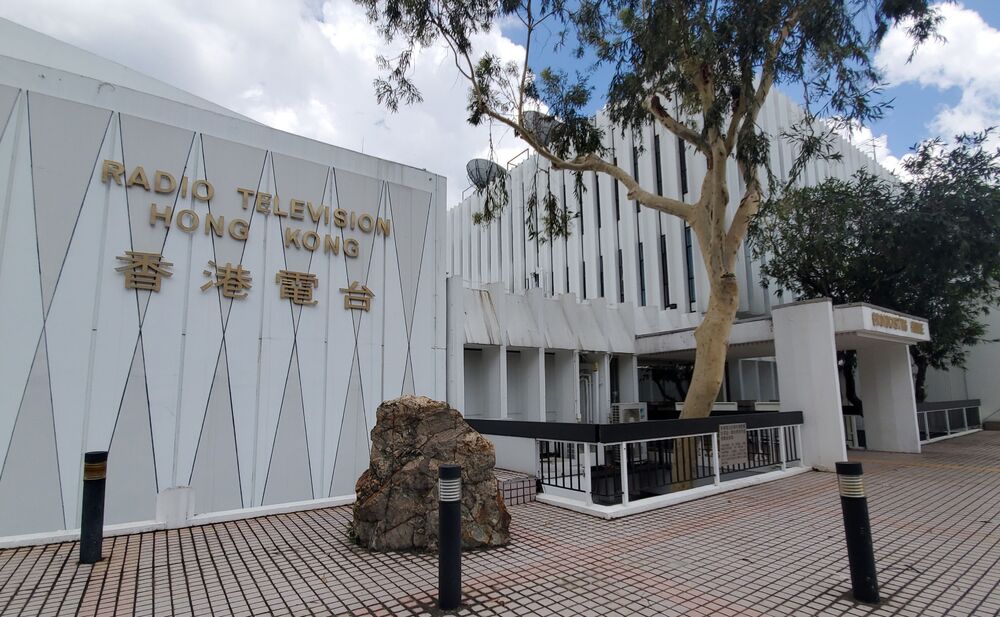
The report cited the transformation at RTHK and, right, the Apple Daily raid as examples of an 'unpredecedented shock' for press freedom and warned of an increase in self-censorship.