Read More
Beijing has asked law firms to tone down the language used to describe China-related business risks in Chinese companies' offshore listing documents, warning that failure to do so could cost them a regulatory green light for the initial public offerings, sources said.
ADVERTISEMENT
SCROLL TO CONTINUE WITH CONTENT
The China Securities Regulatory Commission was said to have met with local lawyers on July 20, asking them to refrain from including negative descriptions of China's policies or its business and legal environment in companies' listing prospectuses.
The closed-door meeting followed informal, so-called window guidance the regulator had offered on the subject to firms that work on listing applications over the past few months, sources said.
Last week, the US Securities and Exchange Commission said it had directed Chinese companies listed on US stock exchanges to disclose more details about the role of the Chinese government in their operations and the impact of a 2021 law banning the import of goods from China's Uyghur region.
The letter is part of the SEC's effort to implement a 2020 law that increases scrutiny of US-listed Chinese companies.
Chinese companies planning overseas share offerings would typically list changes in China's changing economic, political and social conditions, as well as changes in government policies and regulations and trade tensions with the United States among business risks, their public disclosures showed.
The Chinese law firms acting as IPO advisors have been asked to drop such boilerplate risk disclosures, said sources.
The latest guidance could force Chinese companies to delay or even put on hold their share offerings in the US, since regulators there require full risk disclosure.
China's new offshore listing rules that came into effect on March 31 forbid any comments in the listing documents that "misrepresent or disparage the laws and policies, business environment and judicial situation" of China.
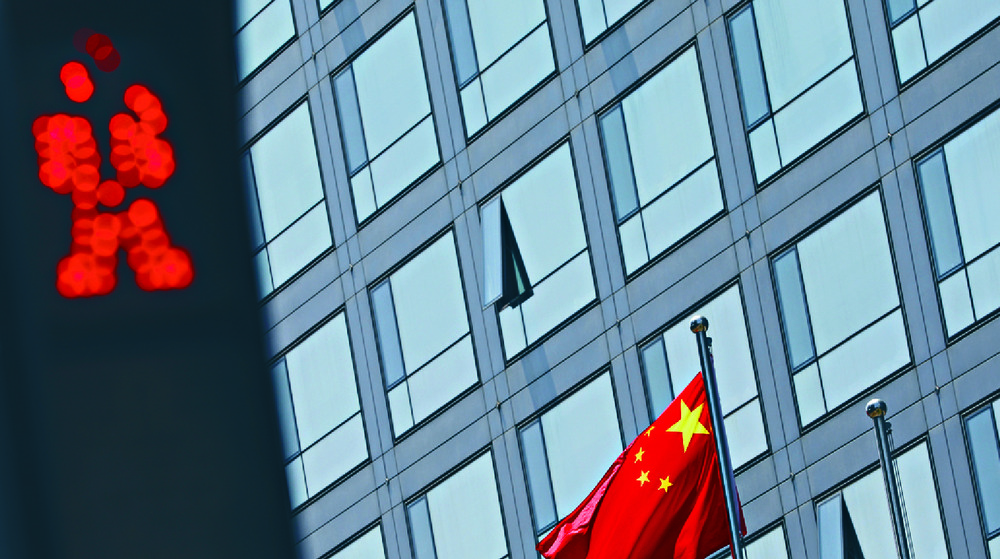
The CSRC held a closed-door meeting with the lawyers. Reuters