Read More









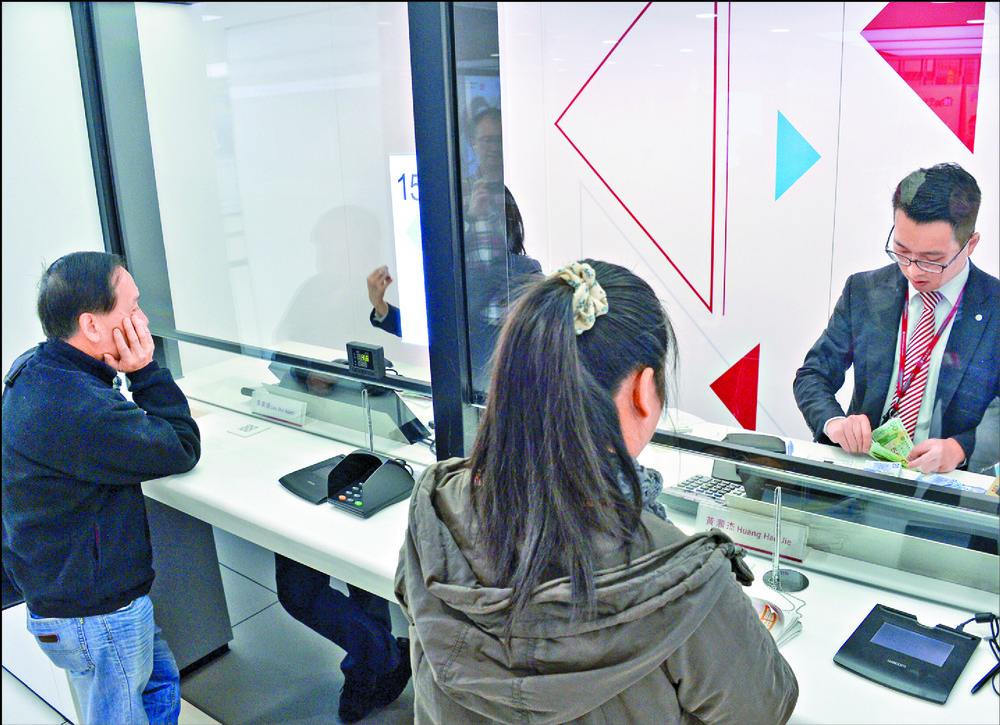
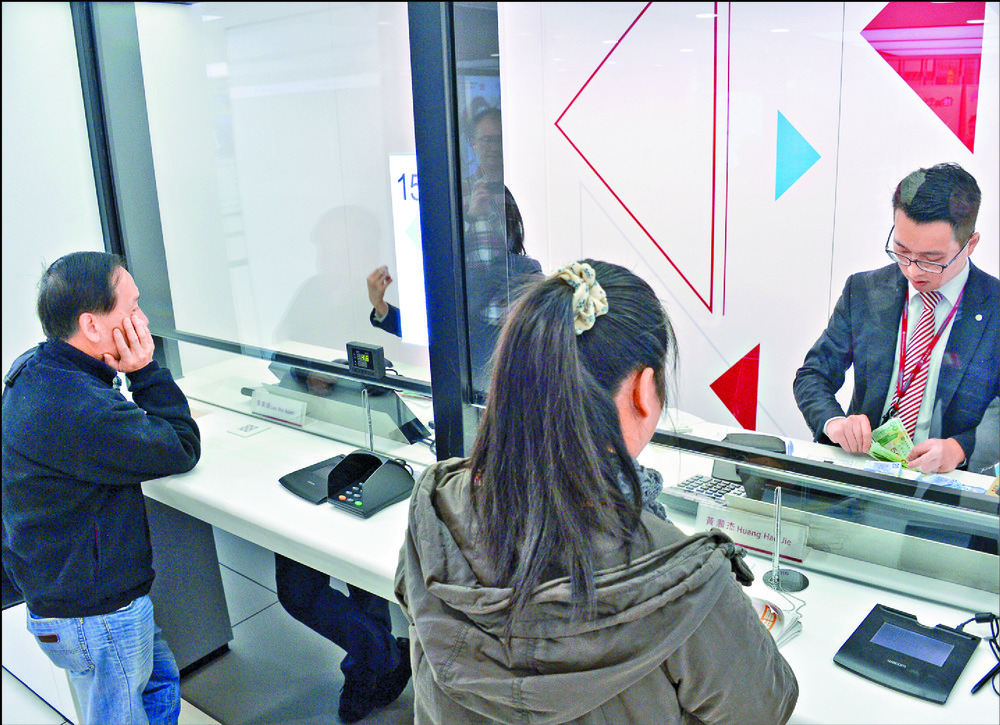
Hongkong and Shanghai Banking Corporation and Hang Seng Bank (0011) have joined the race to raise Hong Kong dollar deposit rates, which may force smaller banks to offer more than 3 percent.
HSBC raised its deposit rates again on Monday, with the three-month deposit rate going up 20 basis points to 1.9 percent, and the six-month and 12-month ones rising 30 bps to 2.5 percent and 2.8 percent.
Hang Seng Bank followed suit the same day, raising its three-month rate by 50 bps to 2.3 percent and the six-month rate by 60 bps to 3.1 percent.
Both require depositors to have at least HK$10,000 in the account to enjoy the higher rate.
Of the four major banks, HSBC now offers the highest 12-month rate of 2.8 percent, the same as Standard Chartered Hong Kong, while Hang Seng Bank tops in six-month rates with 3.1 percent, followed by Standard Chartered at 2.6 percent.
Carie Li Ruofan, a global market strategist at DBS Bank Hong Kong, believes more major banks will raise the 12-month rate to above 3 percent, as the weakening Hong Kong dollar continues to push up the Hong Kong interbank offered rates.
In fact, some smaller banks have been offering more than 3 percent. Bank of East Asia, for example, lures savers with 3.3 percent for three months and 3.5 percent for six months.
BEA raised its rate for 12 months by 30 bps to 3.7 percent for HK$100,000 or more, following HSBC and Hang Seng Bank's adjustments, in a bid to remain competitive.
BEA now provides the same 12-month deposit rate as that of Fubon Bank Hong Kong and China CITIC Bank International.
Chong Hing Bank too has raised its three-month rate to 3 percent and six-month one to 3.4 percent for HK$1 million or more of new funds.
Virtual banks are keeping up as well. Backed by Ping An (2318), Ping An OneConnect Bank gives 3.28 percent to those who put savings of HK$100 or more into virtual accounts for seven months.
The competition might be more intense, mainly because the United States is expected to keep hiking its interest rate, said Ryan Lam Chun-wang, Shanghai Commercial Bank's head of research.