Read More
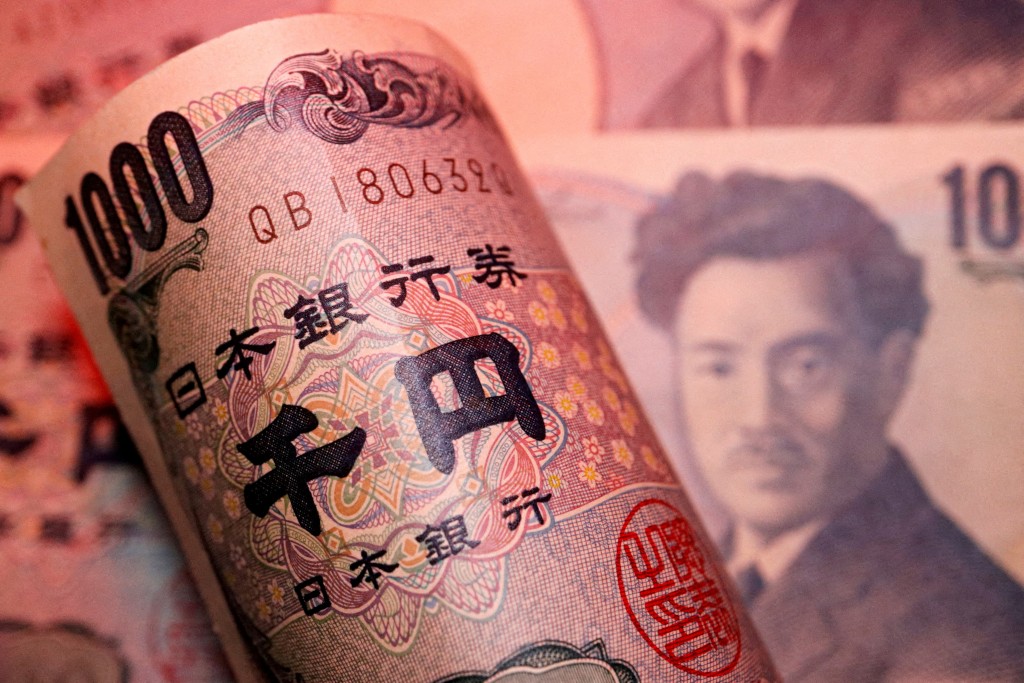
Japan intervened to support the yen for the first time since 1998, seeking to stem a 20 percent decline against the dollar this year amid a widening policy divergence with the US.
ADVERTISEMENT
SCROLL TO CONTINUE WITH CONTENT
The yen rose up to 2.3 percent against the dollar, pulling back sharply from the lows of the day when it had breached a key psychological level of 145, as top currency official Masato Kanda said the government was taking "bold action."
The intervention, coming after the Bank of Japan insisted it will hold its negative-rate policy even as the Federal Reserve hikes aggressively, indicates how a pain threshold had been reached as hedge funds kept adding to short bets on the yen. The question now is whether the unilateral action will work.
"At best, their action can help to slow the pace of yen depreciation," said Christopher Wong, a currency strategist at Oversea-Chinese Banking Corp. "The move alone is not likely to alter the underlying trend unless the dollar, US Treasury yields turn lower or the BOJ tweaks its monetary policy."
Intervention is an extraordinary move for a country that's long been criticized by trading partners for tolerating or even encouraging a weak currency to benefit its exporters. The last time it strengthened the yen with direct intervention was during the Asian financial crisis, when the exchange rate hit 146 and threatened a fragile economy.
It had also previously intervened at levels around 130 to weaken the currency in 2011.
Kanda, in announcng the intervention, called the moves against the currency sudden and one-sided.
Tokyo has been stepping up warnings in recent weeks, and the Bank of Japan conducted so-called rate checks in the forex market for speculative bets.
As expected, BOJ governor Haruhiko Kuroda and his board kept the BOJ's yield curve control program and its asset purchases unchanged yesterday. He said later there may be no need to change forward guidance for two or three years, and there's no prospect of a near-term rate hike.
"For the time being, we could see some unwinding of yen shorts, particularly if the BOJ continues to intervene early next week," said Tan Jian Hui, strategist at Informa Global Markets. "What it probably does is buy Japan some time, in the hope that broad USD strength moderates somewhat and any further yen depreciation can be slowed."

The move by Masato Kanda came after the yen had breached the key 145 level.