The battle to defeat the novel coronavirus continues to rage and though the outbreak in China appears to be under control, there is a second wave of infections occurring outside of China - in Japan, South Korea and Italy.
Many commentators argue that Japan and South Korea seem to have underestimated the epidemic. The Japanese government has been especially reticent to confront the problem over concerns on whether the 2020 Olympics in Tokyo could go ahead as planned, since any delay or cancellation would cost the country hundreds of billions of yen. But thanks to their inaction, the outbreak has now begun to spiral out of control there.
However, why has South Korea - which does not have an Olympics to worry about - also witnessed the spread of the deadly disease known as Covid-19?
Was South Korea wrong to put its faith in the World Health Organization? Of course the debate on whether the WHO took sides with China is another issue that should be left to other international relations experts to discuss.
The WHO earlier stated that there was no risk of outbreaks outside China but once infections soared in South Korea, the organization changed its tune and said the chances of preventing the epidemic from spreading across the world was slim.
The WHO was not very vocal in its warnings, which only changed variably along with the progress of the epidemic, so it can be said that the WHO, as a world health body, has failed to do its job.
While many countries took the WHO's statements as a reference point from which to implement preventative measures, South Koreans were pretty much unaware of how to prevent the spread of the virus before last week as their government had followed the advice of the WHO and provided insufficient guidance on epidemic prevention, which eventually lead to the outbreak.
In fact, at the beginning of the outbreak in China, the WHO was also dithering on whether to declare a global emergency over the virus.
However, countries like the United States took action earlier and issued travel warnings on China. Thus, it can be seen that following the directives of the WHO does not necessarily and effectively prevent the spread of the outbreak.
Certainly, representatives and even the president of the WHO have faced questions over this outbreak and other representative organizations including the World Trade Organization have also been affected and challenged.
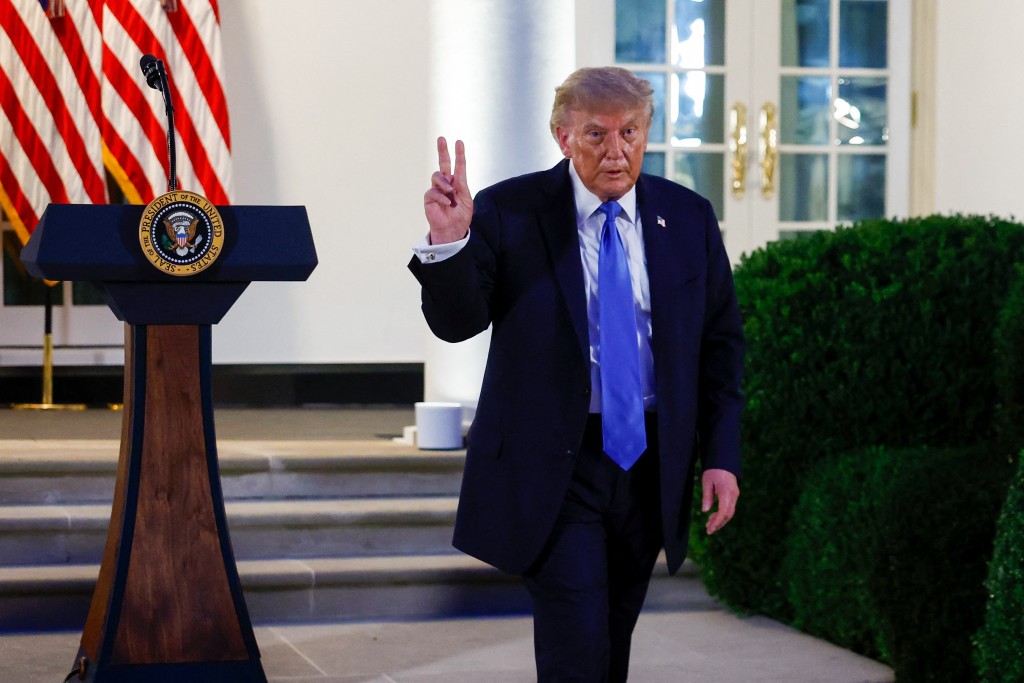
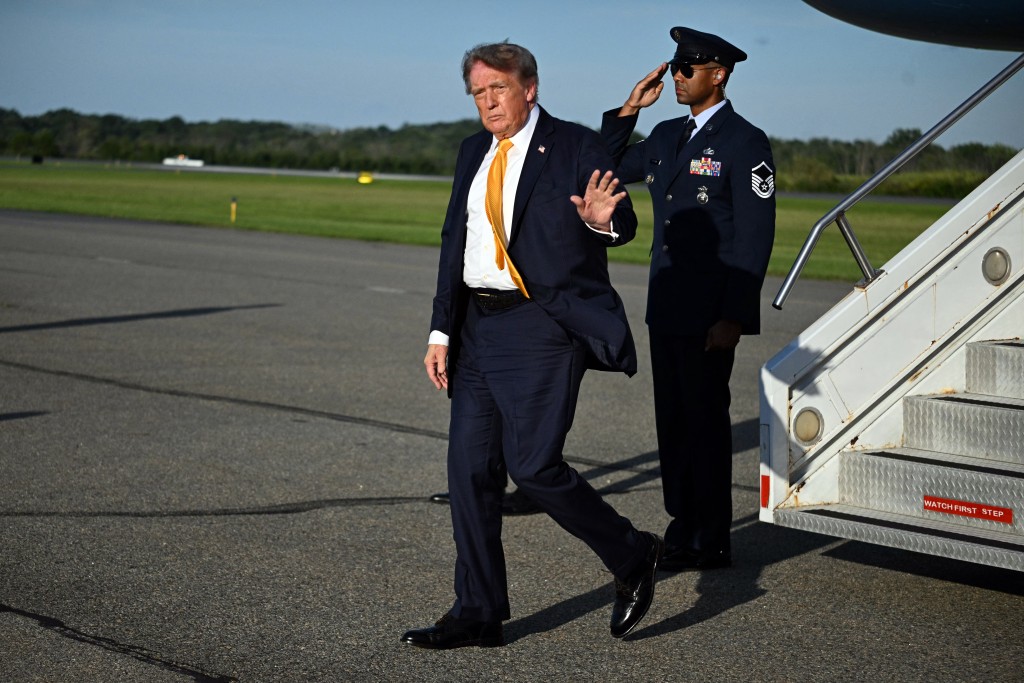
This means some global international organizations could face a restructuring or even collapse. If this is so, then perhaps US President Donald Trump was right to constantly criticise organizations such as the WTO or even threaten to stop funding or quit them, ever since he took office.
It seems inevitable there will be a second wave of the outbreak and the focus now should be on how to prevent the further spread of the epidemic across the world.
Once the dust settles, there could be a shake-up of international organizations but as European and American nations have also been affected this time round, world organizations may become divided in the future.
Andrew Wong is chairman and CEO of Anli Securities