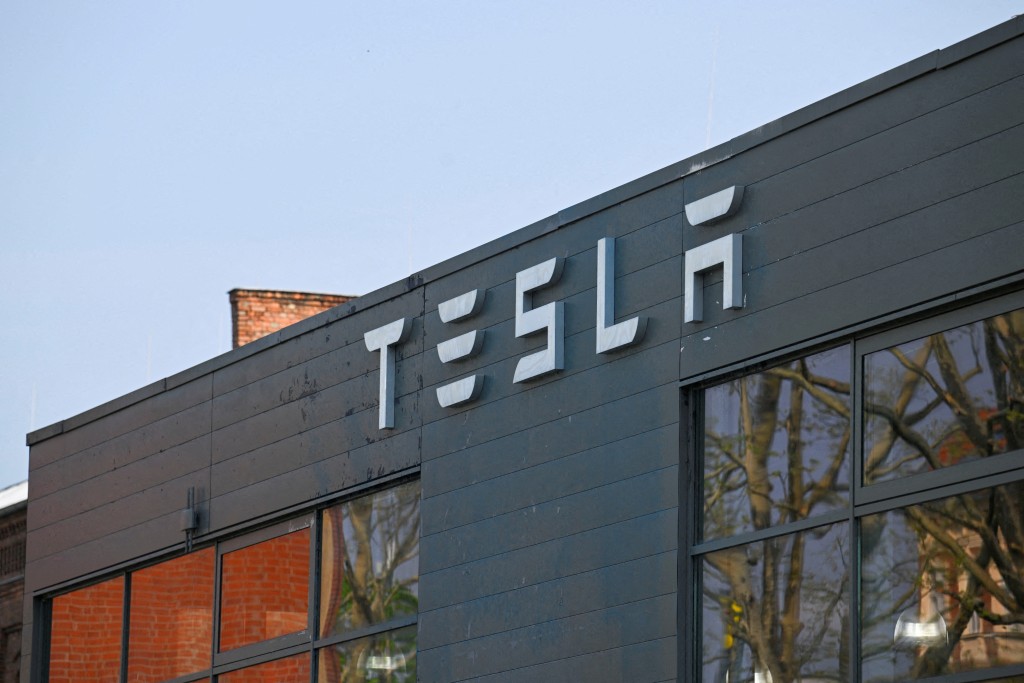
Tesla missed Wall Street expectations for first-quarter deliveries on Thursday, as the expiry of US tax credits on the purchase of electric vehicles weighed on demand, sending its shares down nearly 4 percent in premarket trading.
The company delivered 358,023 vehicles in the January-March period, down 14.4 percent from the fourth quarter, up 6.3 percent from a year earlier.
Analysts on average had expected deliveries of 368,903 vehicles, according to Visible Alpha data.
Tesla has posted two consecutive years of declining deliveries for the first time in its history. Analysts have slashed their forecasts for deliveries in 2026, with some also warning of a third straight annual drop.
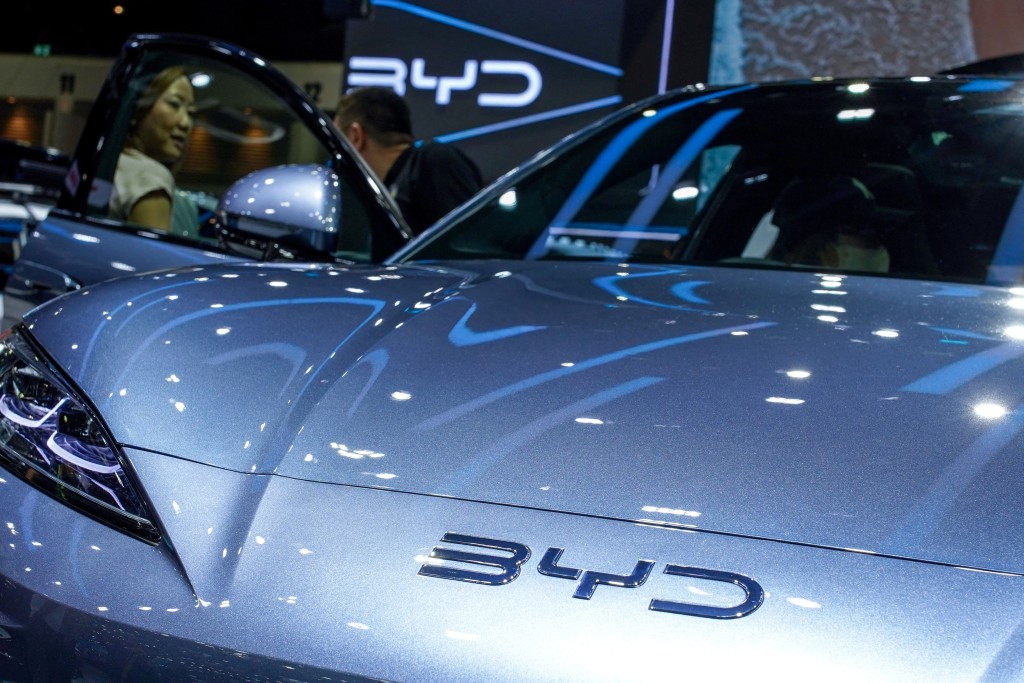
Tesla ceded its title as the world's largest electric vehicle maker last year, as BYD's (1211) surging battery electric vehicle sales overtook the American automaker for the first time.
While Europe weighed on Tesla's global figures last year, the company has since showed signs of stabilization, gaining market share in key markets such as France in the first quarter of 2026.
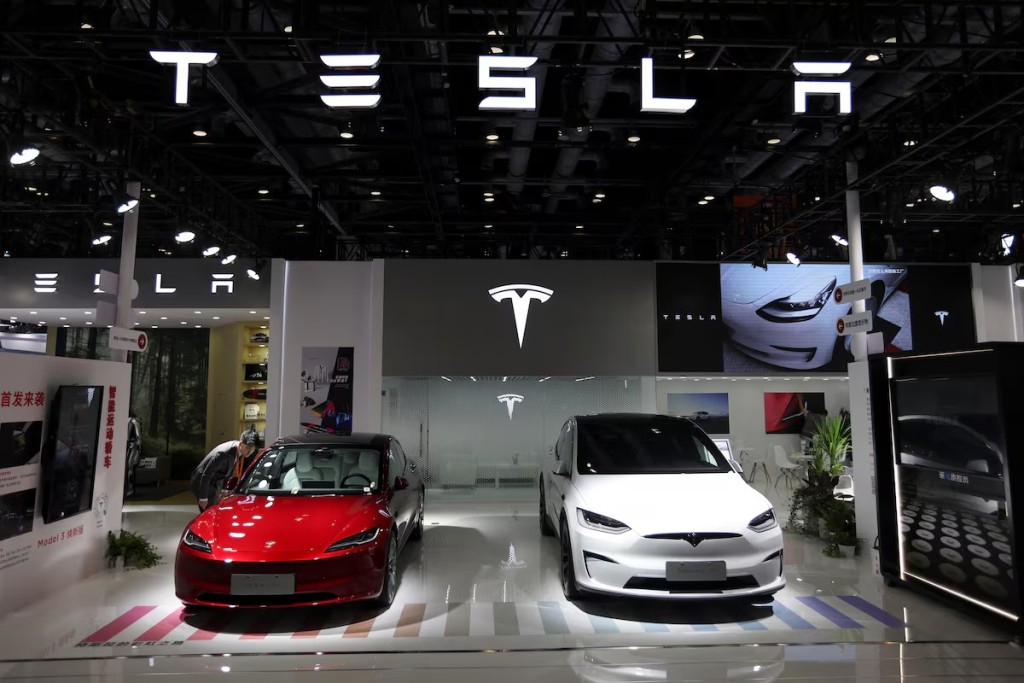
Tesla's China-made electric vehicle sales rose for a second consecutive quarter. For the January-March period, sales increased 23.5 percent from a year earlier, accelerating from a 1.9 percent rise in the fourth quarter.
The expiry of a US$7,500 federal tax credit at the end of September dealt a blow to US electric vehicle demand, stripping away a key incentive for the purchase of an EV.
Analysts expect the loss of the credit to hamper EV demand this year, adding to the headwinds Tesla already faces from intensifying competition.
The landscape in Europe has grown increasingly intense for Tesla, with legacy automakers and Chinese EV brands squeezing demand for a model lineup that has changed little in recent years.
Wall Street has increasingly looked past the quarterly delivery count, analysts have said, as Musk steers the company toward solar energy, humanoid robotics and autonomous taxis.
Tesla's valuation of US$1.4 trillion rests heavily on its future ambitions, even as auto sales still remains the backbone of its revenue.
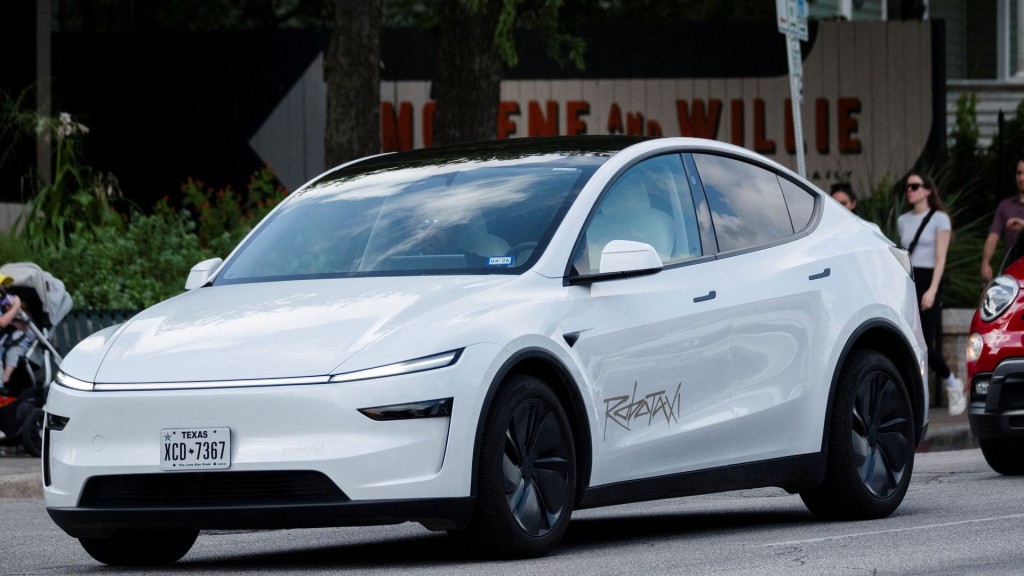
Tesla in June launched its robotaxi service in a limited capacity in Austin, Texas. Musk has said the company plans to rapidly expand the service in 2026, after removing safety monitors from vehicles in January.
Meanwhile, the production of the Cybercab, a purpose-built autonomous two-seater, is expected to ramp up through the year.
Tesla's robotaxi footprint remains modest, limited to Austin and a ride-hailing service in San Francisco, dwarfed by Waymo's broad commercial rollout across the US.
Reuters