Read More










Was it a low price? That would depend on how a low price is defined.
Perhaps more significant would be the effect the transaction could have on general market expectation.
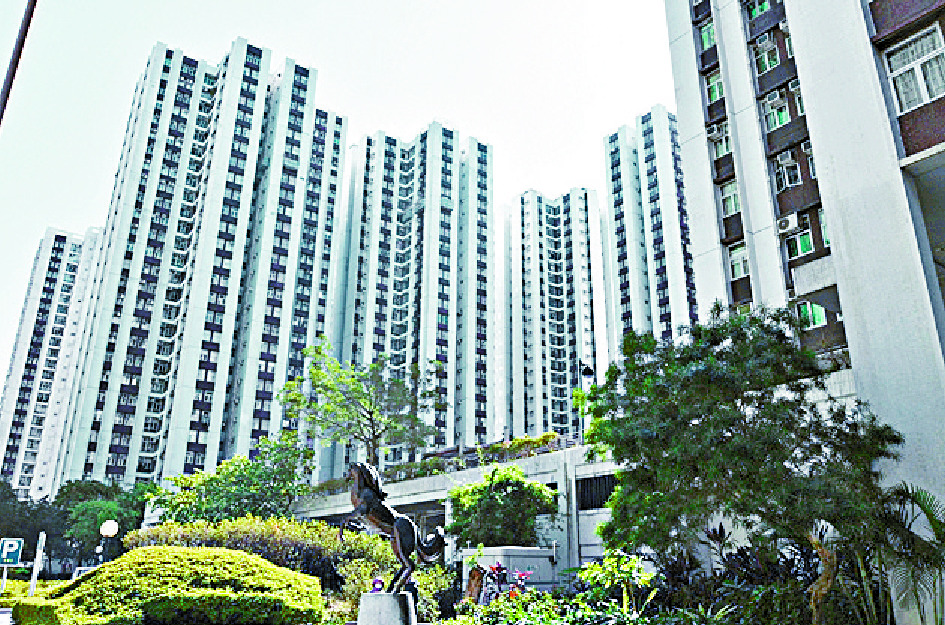
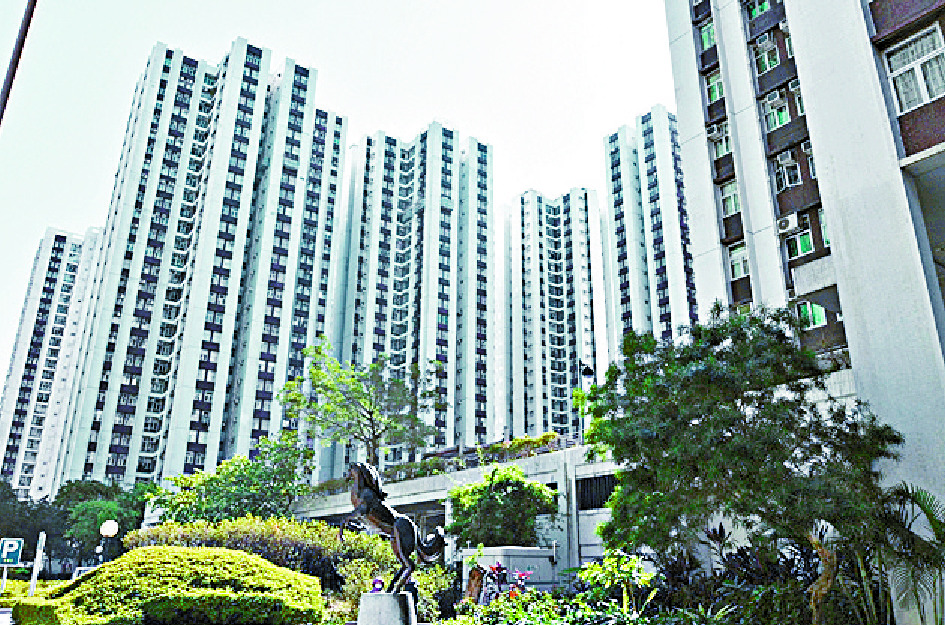
The Taikoo Shing transaction may not be one of the most dramatic examples of a price cut in the local market, but it could be more representative than others.
Of all the blue-chip estates, Taikoo Shing is referred to the most often as it has the highest density of the city's middle class with relatively high purchasing power.It appears that, after months of market correction, an expectation has formed that home prices will continue to drop, at least in the near term.
Such an expectation can be more forceful than all the government's executive measures combined.Once formed, it will require double the effort to change the expectation. But, very often, such attempts can be futile, as happened over 20 years ago when property prices more than halved before hitting the bottom despite government rescue measures.
The recent policy address eased stamp duties and helped the sale of some new projects with "talented" newcomers from the mainland taking up a number of the new units.However, these moves are unlikely to reverse the broader trend.
Developers are also acutely aware of the expectation effect and have been coming up with ingenious pricing arrangements to address this particular factor.For example, in Sun Hung Kai's Novo Land in Tuen Mun, the developer provided an unprecedented price protection scheme for a number of its newly released units. Though gimmicky, the scheme has a logic of its own, trying to reassure buyers that - if the average home prices fall before expected occupation in May - the developer will share half the loss for up to 5 percent in the event that home prices fall a further 10 percent between now and May.
In other words, could that 10 percent be indicative of what the developer may have in mind for the next half year?If home prices were to fall 10 percent over a six-month period, it would be truly scary.
Rather, it appears to be more a psychological assurance than a projection.In hindsight, the controversial memorandum of understanding innovated by Centaline ahead of the policy address and condemned by the government Estate Agents Authority was underlined by a similar purpose to address people's expectation.