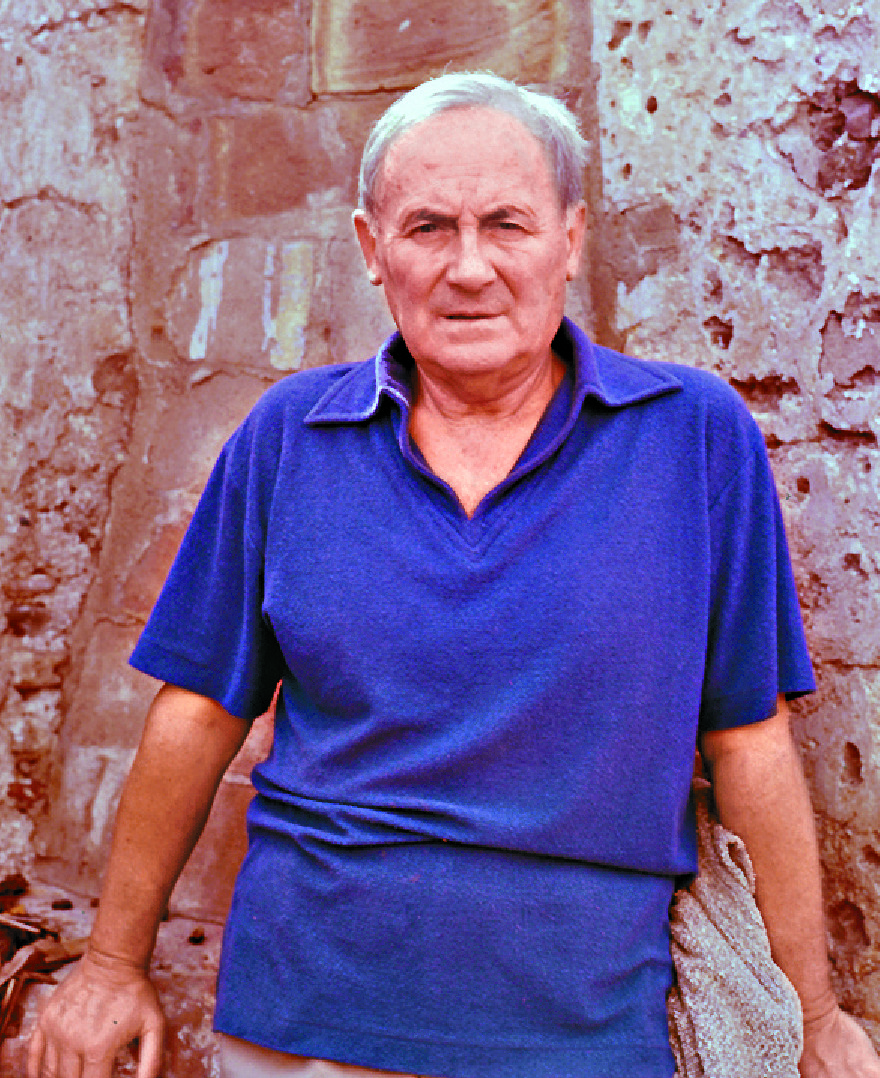
As one of the most influential Spanish artists in the 20th century, Joan Miro is known for his unique style that blends abstract and surreal elements, usually with a whimsical touch.
ADVERTISEMENT
SCROLL TO CONTINUE WITH CONTENT
The Hong Kong Museum of Art is bringing 94 works from the Fundacio Joan Miro to Hong Kong - 80 percent of which are being presented for the first time in Asia.
"The works we're bringing here represent Miro at his very best, and it's an opportunity for people from Hong Kong to come and see Miro in a way that is not easily possible outside of Barcelona," said Marko Daniel, director of the Fundacio Joan Miro.
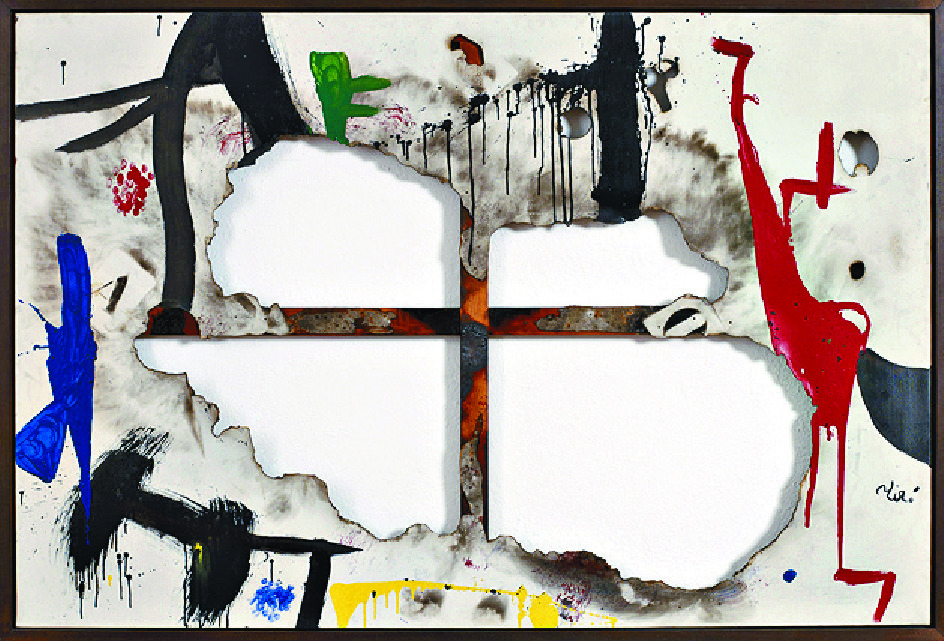
Divided into seven sections, the exhibition presents a symmetric show of Miro's works, examining the various art themes and forms that he explored.
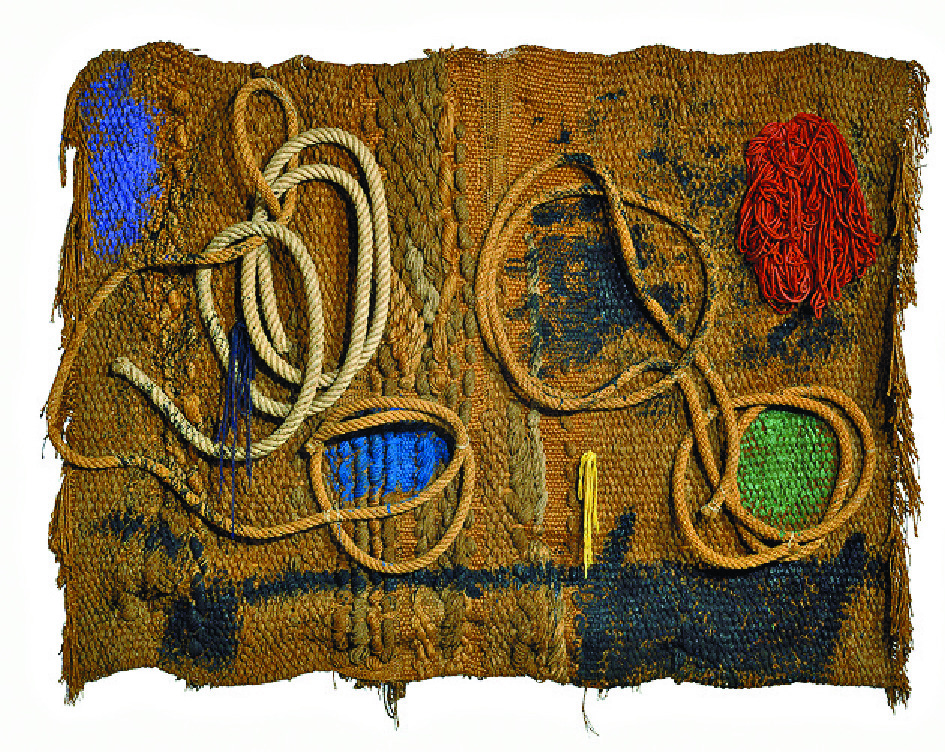
Maria Mok, museum director of the HKMoA, said there are two keywords to keep in mind while enjoying the exhibition: "One is poetry, as Miro sees no difference between painting and poetry. Another is everyday life, as he uses ordinary everyday life objects to create his artworks."
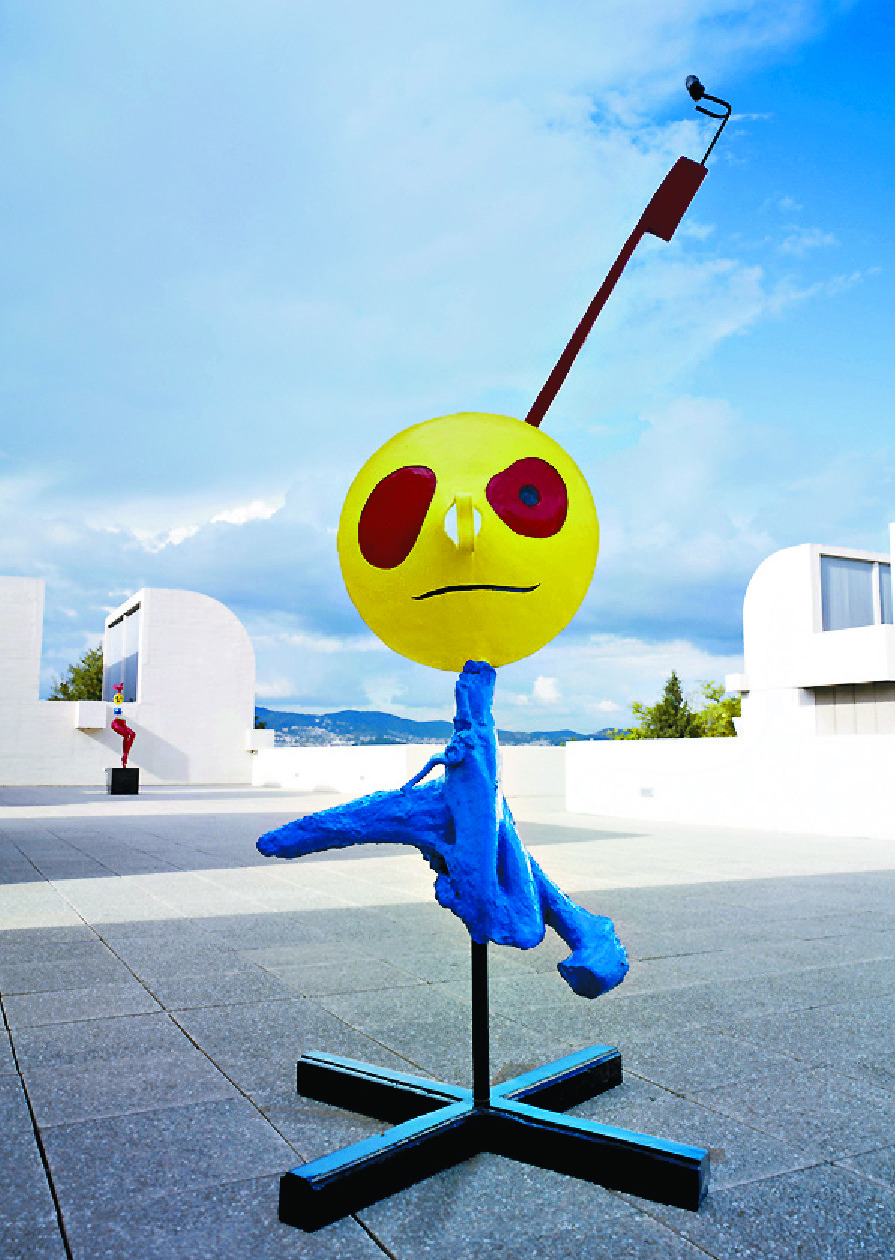
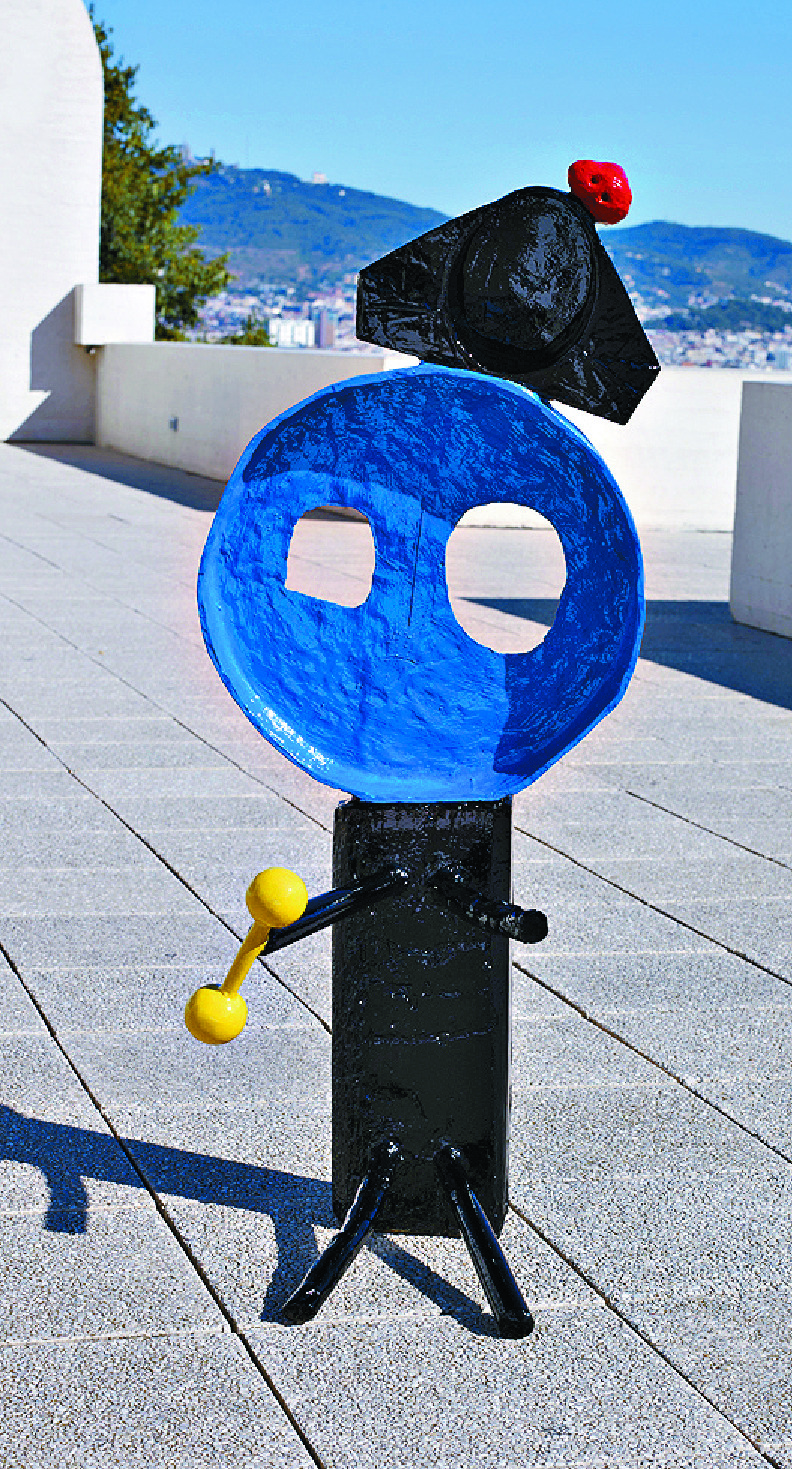
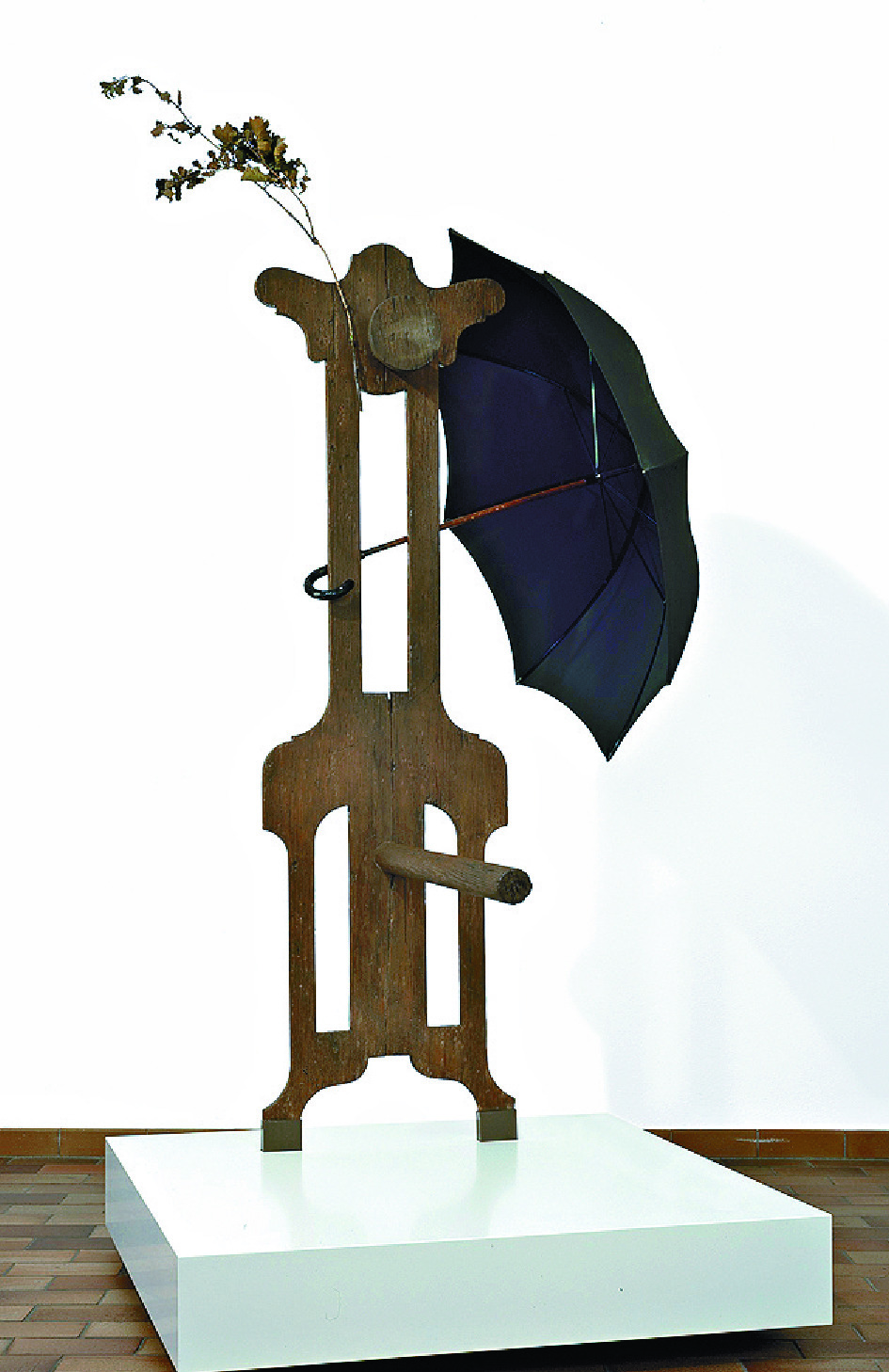
One of the most representative works in the exhibition is Woman and Bird. Using simple everyday items such as a wooden bench and a police hat, Miro created a figure full of child-like wonder.
"You can see that the wooden bench is such an ordinary piece of furniture, something you would find in a farmyard kitchen," Daniel said. "These ordinary materials are not specific to high art, but Miro sought to employ and ennoble them through his art making."
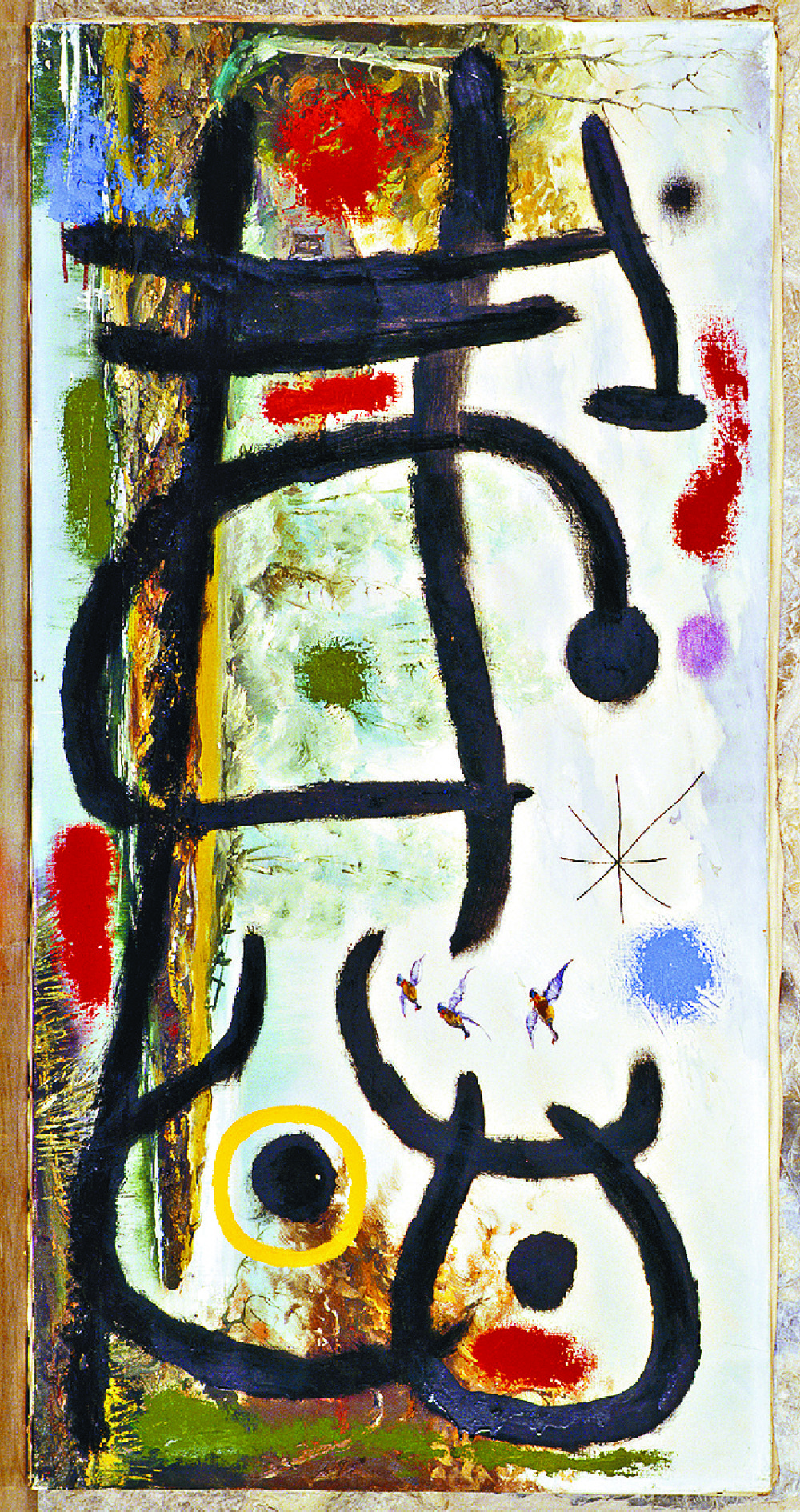
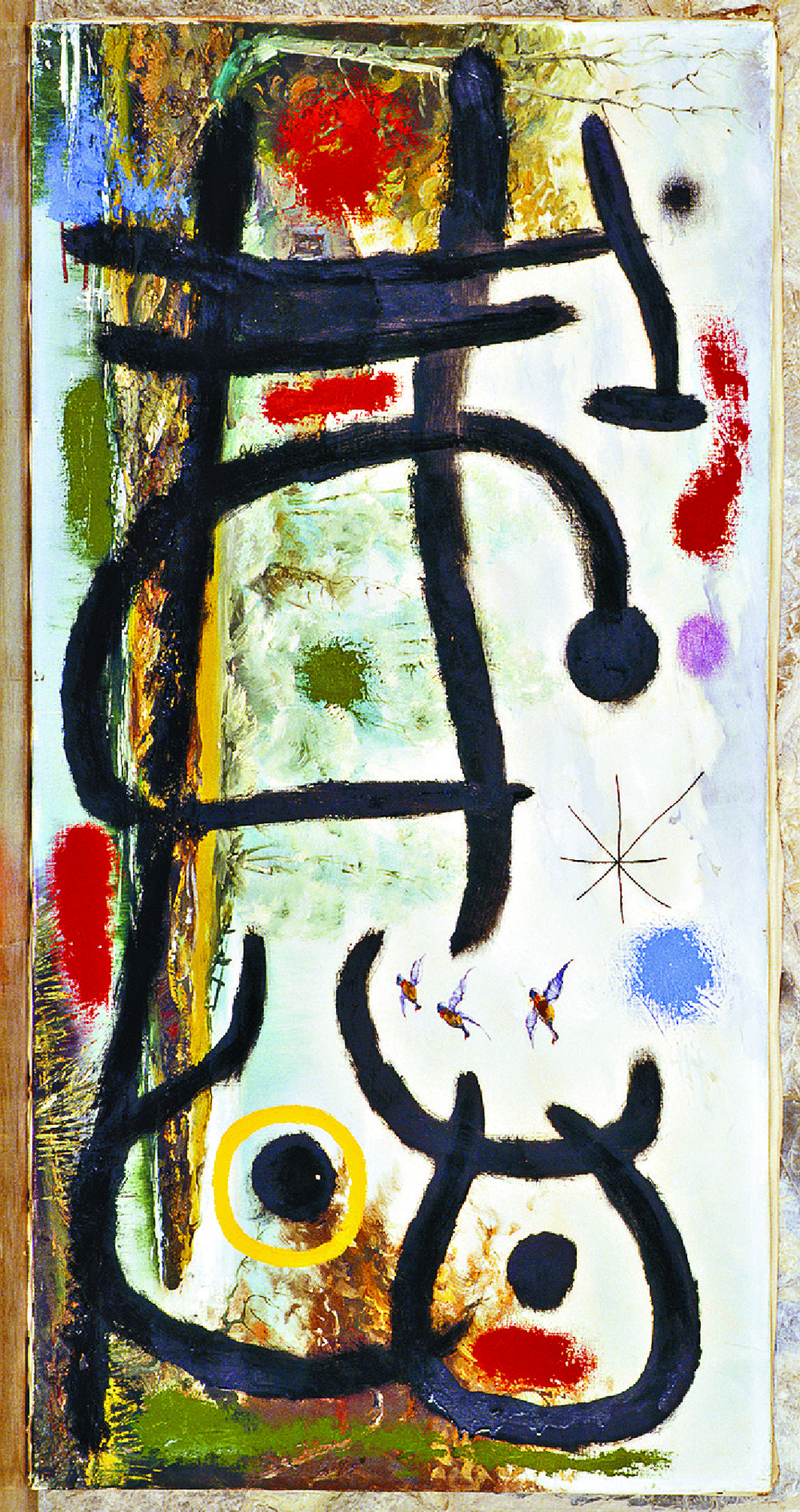
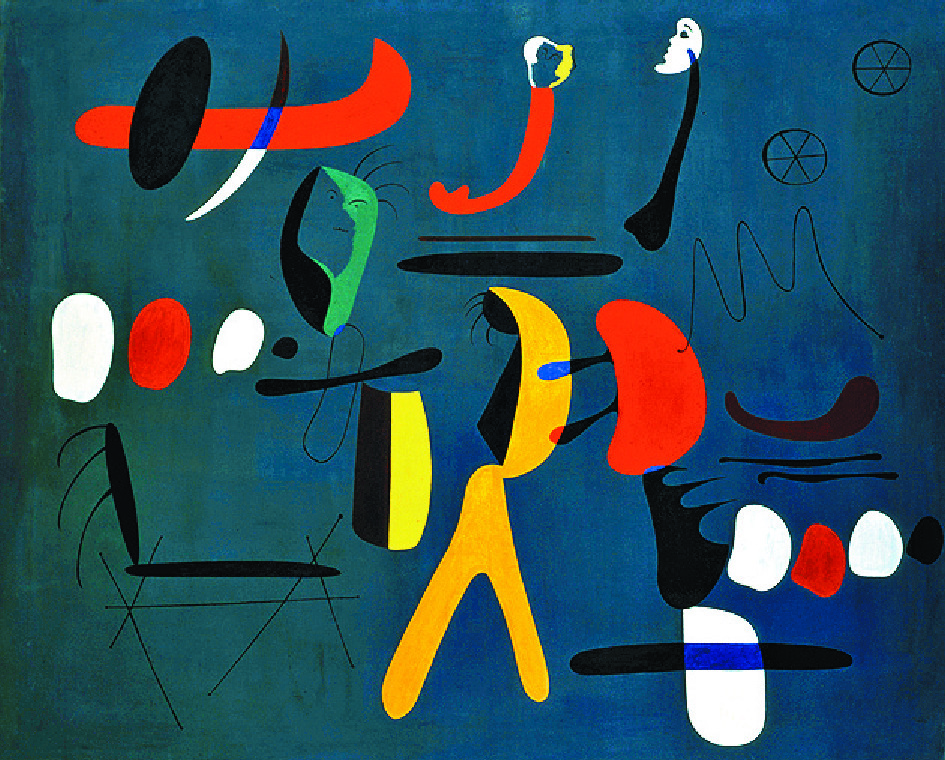
Poem (III), a vibrant abstract painting featuring a mix of organic and geometric shapes, is Daniel's favorite in the exhibition.
Created by Miro in 1968, a year after his first visit to Japan, the painting showed his interest in Eastern art forms - especially in the integration of calligraphy.
The bold and gestural brushstrokes suggest the fluid and expressive style of calligraphy, while the use of color and composition is reminiscent of the way calligraphers use space and arrangement to create unique visual effects.
Daniel said the diversity of techniques employed in this painting fascinated him.
"This is a work that is incredibly multi-layered," he said. "It includes a number of ways of painting, such as stencil of letters, gestural paintings, delicate lines, all of which are in dialogue with each other."
The title - Poem (III) - also resonated with Miro's idea that there should be no distinction between painting and poetry.
"For him, poetry represented the most concise way in which one could express complex and multiple different meanings at the same time. This notion underpins all of his works and is also one of the things that we can see throughout the exhibition," said Daniel.
Aside from works by the master, the exhibition includes another sector that shows work of local artists in resonance with Miro.
Inspired by the recurring image of birds in Miro's works, local artist Leung Kei-cheuk created a sound installation and painting piece that provided a surreal imitation of bird sounds in the urban area.
Another installation by visual artist Leelee Chan uses plastic pallets and other decoration wastes to create a unique "sculpture painting," which identified with Miro's use of common objects in his works.
Daniel said: "Miro shared everything he knew very generously with younger generations of artists and was always very keen to learn from younger artists. In our foundation, we maintain an active dialogue with young and international artists, and we're glad to continue this effort on this occasion in Hong Kong."
If you're interested in Miro's poetic interpretation of everyday life, don't miss the exhibition at the Hong Kong Museum of Art, going on until June 28.