Read More
Bloomberg and staff reporterA rush by big tech firms, investment funds and other entities to erect server bases from the United States to Asia is starting to look indiscriminate, the billionaire executive and financier said. 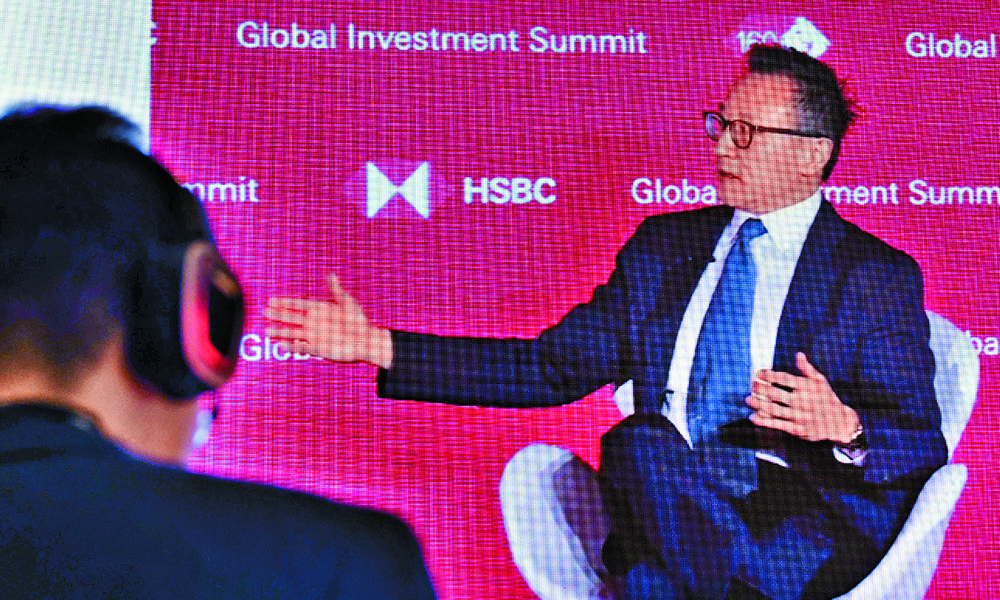
Alibaba Group chairman Joe Tsai Chung-hsin warned of a potential bubble forming in data center construction, saying the pace of buildout may outstrip initial demand for artificial intelligence services.
ADVERTISEMENT
SCROLL TO CONTINUE WITH CONTENT
Many of those projects are built without clear customers in mind, Tsai told the HSBC Global Investment Summit in Hong Kong yesterday.
From Microsoft to SoftBank Group, tech firms on both sides of the Pacific are spending billions of dollars buying Nvidia and SK Hynix chips crucial to AI development.
Alibaba itself - after declaring in February it was going all-in on AI - plans to invest more than 380 billion yuan (HK$406.89 billion) over the next three years.
Server farms are springing up from India to Malaysia, while in the United States, President Donald Trump is touting a Stargate project that envisions an outlay of US$500 billion (HK$3.9 trillion).Alibaba's shares slid nearly 4 percent in Hong Kong.
Many on Wall Street have begun to question all the spending, especially after Chinese upstart DeepSeek released an open-source AI model that it claims rivals US technology but was built at a fraction of the cost.Critics have also pointed out the persistent dearth of practical, real-world applications for AI.
Just this year, Amazon.com, Alphabet and Meta Platforms pledged to spend US$100 billion, US$75 billion and up to US$65 billion, respectively, on AI infrastructure."I start to see the beginning of some kind of bubble," Tsai told delegates. Some of the envisioned projects commenced raising funds without having secured "uptake" agreements, he added.
"I start to get worried when people are building data centers on spec. There are a number of people coming up, funds coming out, to raise billions or millions of capital."Meanwhile, AI models keep evolving. DeepSeek released updates to its V3 model that promise to deliver better capabilities, underscoring the Chinese AI startup's intent to remain a step ahead of competitors.
China has narrowed the AI development gap with the United States to just three months in some areas, because firms such as DeepSeek have worked out how to use chips and apply algorithms more efficiently, the chief executive of Chinese startup 01.AI Lee Kai-fu said.Many data centers are being built without clear customers in mind, Joe Tsai says. SING TAO