Read More
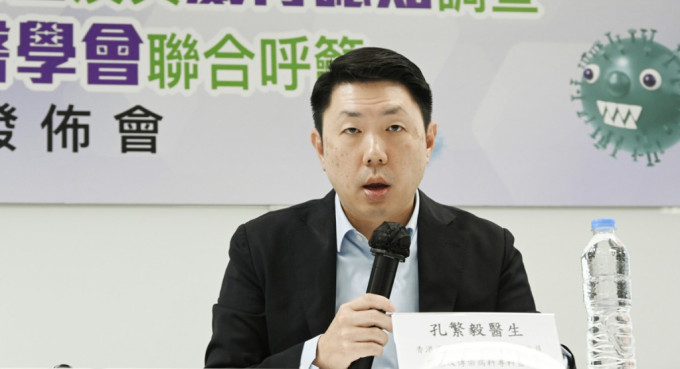
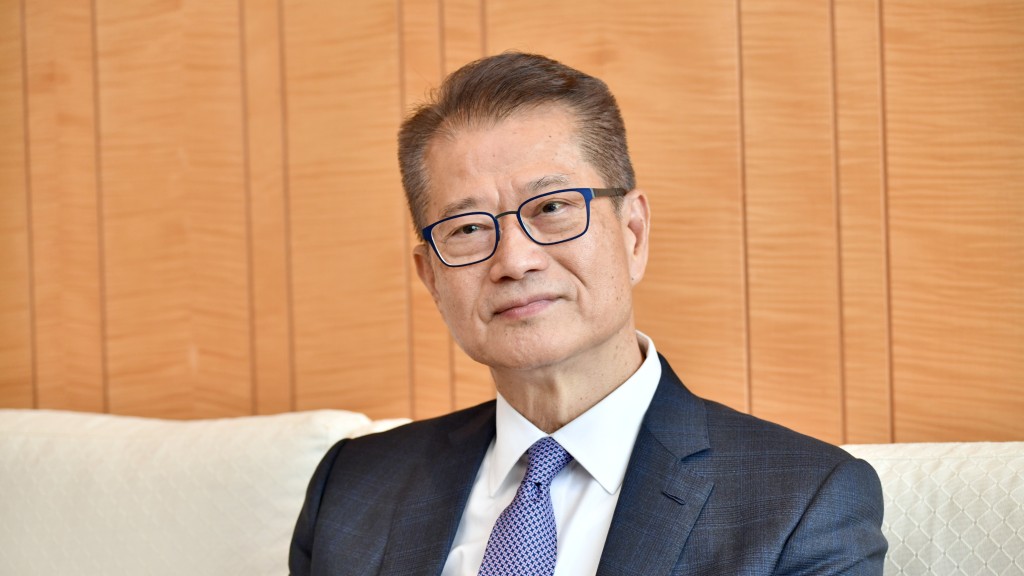


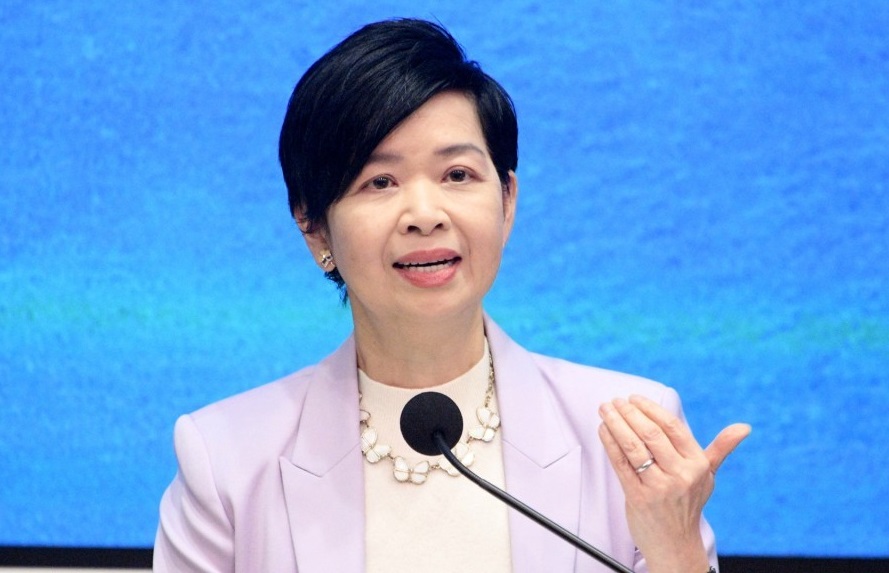


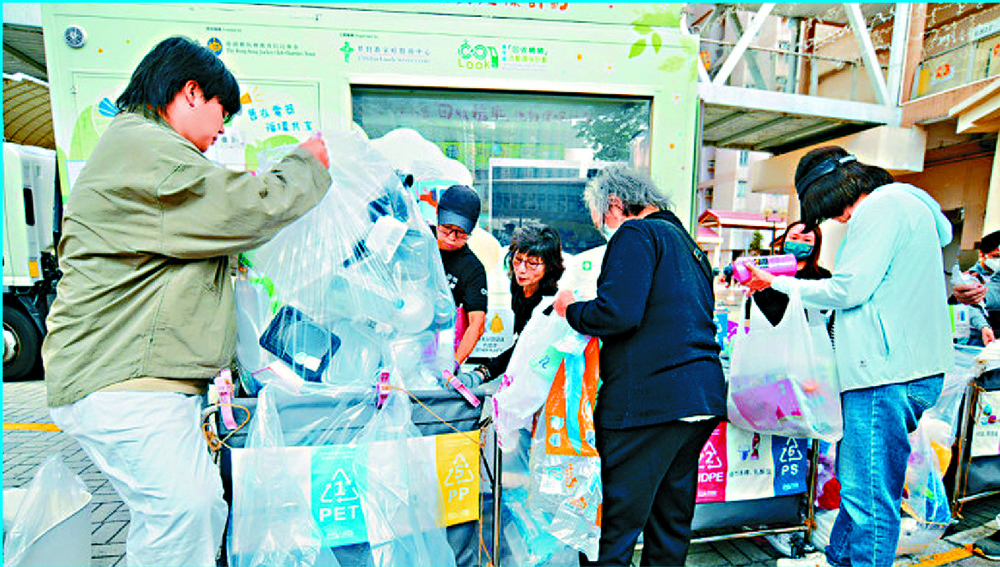
Paul Chan has announced a significant increase in funding for waste reduction initiatives and the development of a green transit network, aimed at transforming Hong Kong into a greener city.
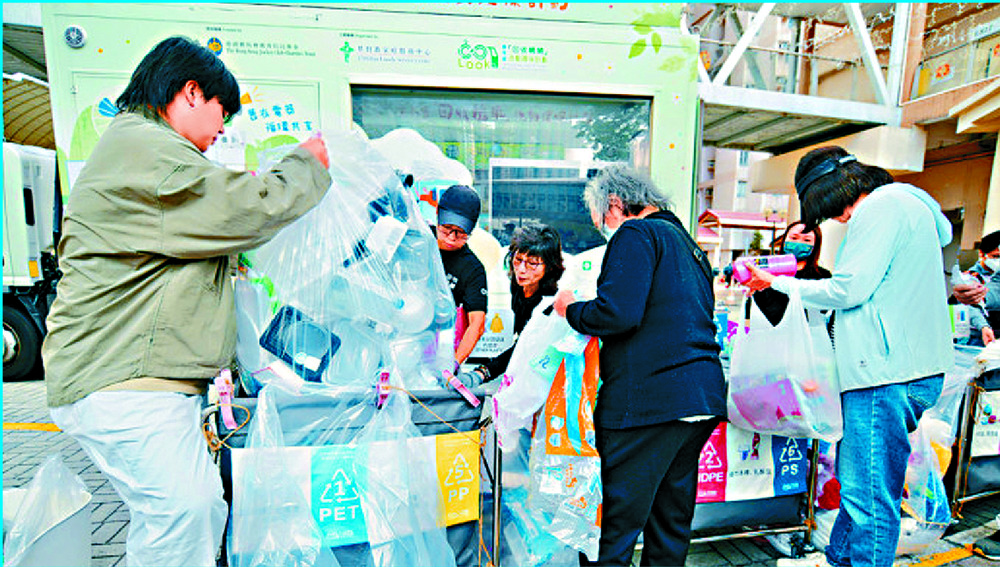
Chan highlighted that Hong Kong's first waste-to-energy facility, IPARK1, which is designed to treat municipal solid waste, is set to begin operations this year. Additionally, the government has opened tenders for IPARK2, a second large-scale facility with an anticipated treatment capacity of 6,000 tonnes per day.
This initiative is expected to incentivize the installation of 3,000 fast chargers across Hong Kong by 2030, accommodating an additional 160,000 electric vehicles.
Chan also revealed that the government has earmarked HK$470 million from the New Energy Transport Fund to subsidize franchised bus operators in the purchase of approximately 600 electric buses. An additional HK$135 million will be allocated to support the acquisition of 3,000 electric taxis.He said that the government aims to invite tenders for the Kai Tak project this year, followed by the East Kowloon and Hung Shui Kiu-Ha Tsuen and Yuen Long South New Development Areas projects next year, all focused on constructing a smart and sustainable mass transit system. Chan also said the government will provide tax exemption for green methanol used for bunkering.