Read More
The Department of Justice has applied to the High Court for an injunction to ban people from having anything to do with Glory to Hong Kong, the song associated with the social unrest in 2019.
ADVERTISEMENT
SCROLL TO CONTINUE WITH CONTENT
The intention is to restrain anyone from broadcasting, performing, printing, publishing, selling or offering for sale, distributing, disseminating, displaying or reproducing the song in any way including on the internet.
The injunction would identify anyone who defies the restraints as inciting others to separate Hong Kong from China - a seditious act besides insulting the national anthem.
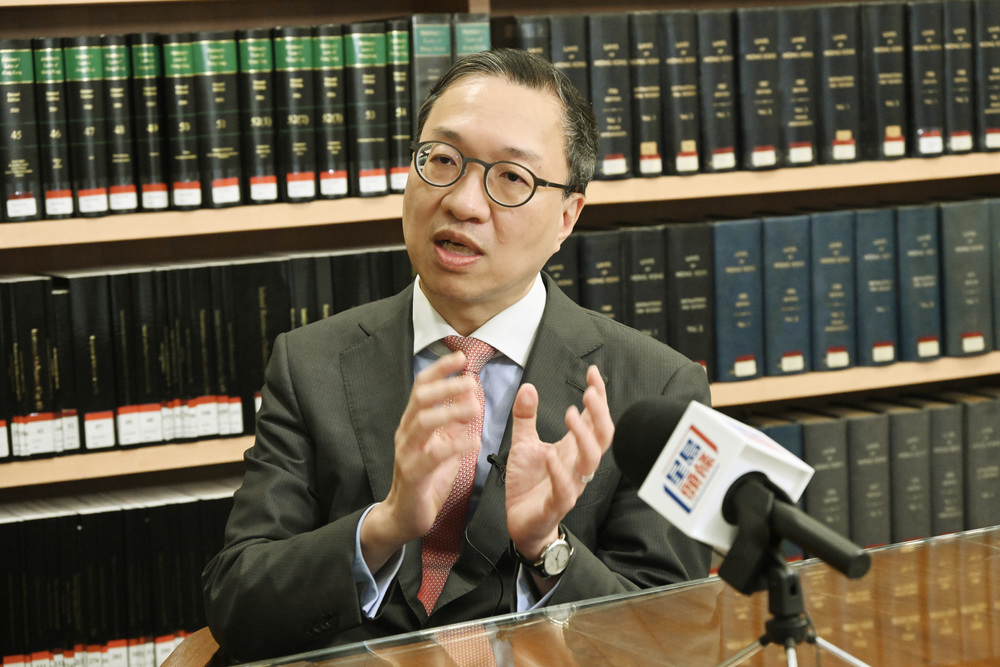
It would also be illegal to assist or allow others in any of the stipulated acts, according to the writ filed by Justice Secretary Paul Lam Ting-kwok.
The injunction covers too 32 YouTube videos related to the song, including instrumental clips and versions in different languages, as well as adaptations, melodies and lyrics that are "substantially the same" as the song.
Authorities followed up yesterday with a statement that noted the song has circulated widely since 2019 and pointed out its lyrics contain slogans that a court has already ruled as constituting secession.
"Recently, the song has also been repeatedly and mistakenly presented as the 'national anthem of Hong Kong' instead of the correct one, March of the Volunteers," it said. It was also argued that events have shown the song is highly likely to contravene the national security law and the Crimes Ordinance.
So the administration decided to apply for an injunction to "discharge the constitutional responsibility of the HKSAR government to safeguard national security by effectively preventing, suppressing and imposing punishment on acts or activities endangering national security."
The administration said too that it has always respected and attached importance to rights and freedoms protected by the Basic Law.
So the application was pursuing the legitimate aim of safeguarding national security and is "necessary, reasonable, legitimate and consistent with the Bill of Rights."
An injunction would also complement existing laws and serve to clarify that acts mentioned in the application "may constitute criminal offenses" so people "should not take chances and attempt to break the law."
Administration officials, the statement added, are now awaiting advice from the court regarding a hearing date.
Hong Kong has since last year requested Google to remove the song from its search engine results, but the US-based tech giant has rejected such requests.
If the High Court grants an injunction, barrister Albert Luk Wai-hang said, then anyone breaching it would be arrested for contempt of court, and they could be imprisoned in serious cases.
It would not be an offense if people played or sang Glory to Hong Kong in their bathrooms, Executive Councillor Ronny Tong Ka-wah said, but it would be if they did it publicly.
So he suggested people should play safe and not possess the song.
If YouTube has the song, he added, it may also breach the injunction if it "makes the song available for anyone to download and distribute, which is assisting others to violate the order."
People in Hong Kong who download the song from a platform with servers located overseas might also be at risk of violating the injunction, Tong cautioned.
Legislator Tik Chi-yuen, a Third Side representative, questioned the social value of the injunction, saying it seemed unnecessary as the national security law is enough.
He is concerned whether authorities would be suppressing freedoms of speech and creativity in their daily lives, so the Department of Justice needs to explain if there are loopholes in the administration of the national security law.
He asked: "If a song is banned today will a book be banned tomorrow and a banner banned the day after tomorrow?"
stacy.shi@singtaonewscorp.com
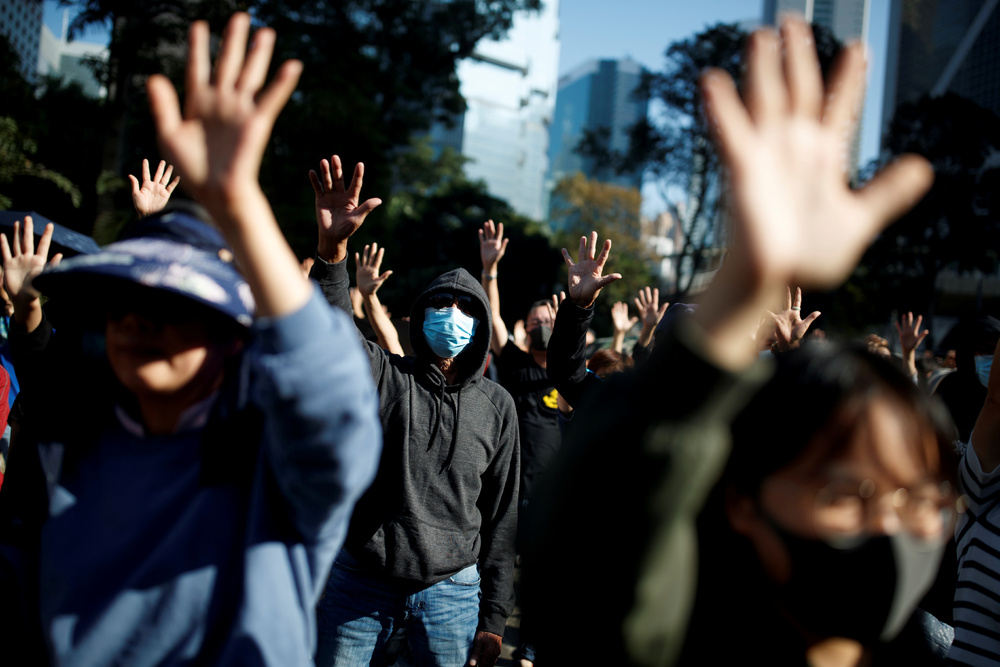
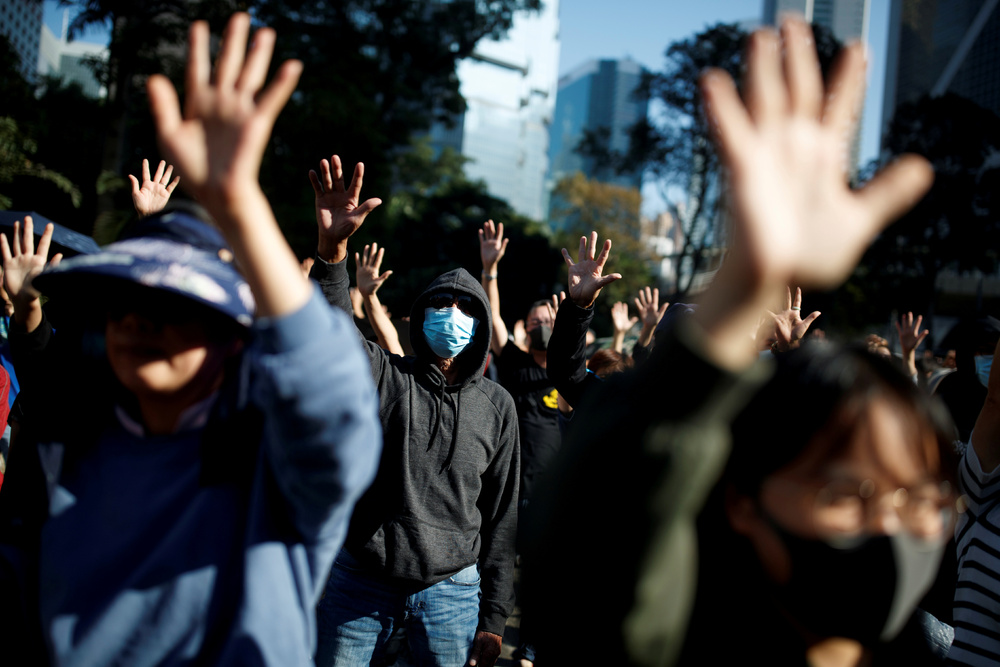
People raise their hands and sing the protest song in November 2019 in Central. Below: Paul Lam.REUTERS, SING TAO