Read More
Hong Kong should boost its agriculture to supply 200 tonnes of vegetables for daily consumption, or 10 percent of what's needed, from the current 1.7 percent to guard against emergencies, an expert says.
ADVERTISEMENT
SCROLL TO CONTINUE WITH CONTENT
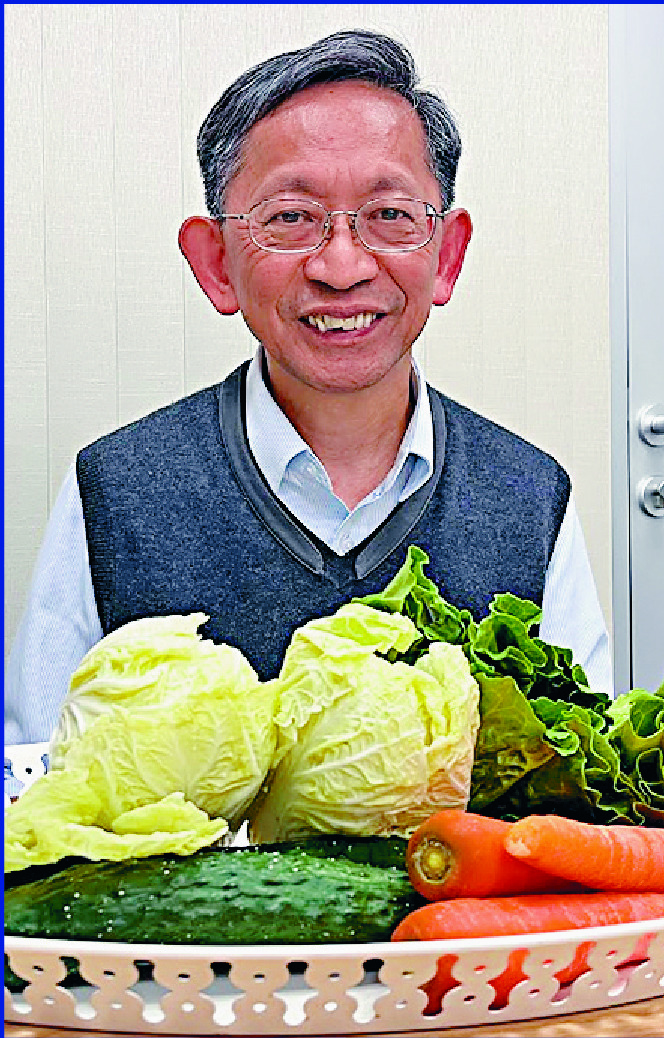
Jonathan Wong Woon-chung, director of the Hong Kong Organic Resource Centre, said demand for local vegetables has been on the rise.
He was talking before the annual Organic Day on Sunday at the Chater Road pedestrian precinct, where people can meet local farmers and fishermen, buy organic vegetables for HK$1 and join green workshops.
"The number of people buying local organic vegetables has gone up," said Wong, who will be an Organic Day guest. "Retailers have told us that more people are willing to pay extra for organic. That could be because of a slew of factors, including personal health during Covid.
"As for supply, that's a question mark. Production hasn't gone up."
In fact, Wong added, there is a downward trend. Hong Kong now has 129 certified organic farms compared to 149 in 2016.
And the average price of vegetables - regular and organic - has risen by around HK$10 compared to 10 years ago, but there still is not a strong enough profit incentive for people to become farmers.
Full-time farmers usually rely on middlemen to sell their vegetables. They include the nongovernment Vegetable Marketing Organization, which takes a commission from vegetable sales.
So many farmers have a profit of around HK$10 per catty of leafy greens such as choy sum or bok choy.
On how the Northern Metropolis development plan could affect agriculture and fisheries, Wong said it presents "risks and opportunities."
If planners can set aside an area of agricultural land off limits to developers, he said, farmers would be incentivized to invest in and maintain farmland.
But large swathes of agricultural land hang in the balance, Wong said. For the administration is hesitant to take back agricultural land for development due to complicated and expensive resumption procedures, and areas for farming have not been designated.
Wong asked: "Given that sustainable development is one of the goals for the Northern Metropolis, why leave the land untouched if they won't use it for development?"
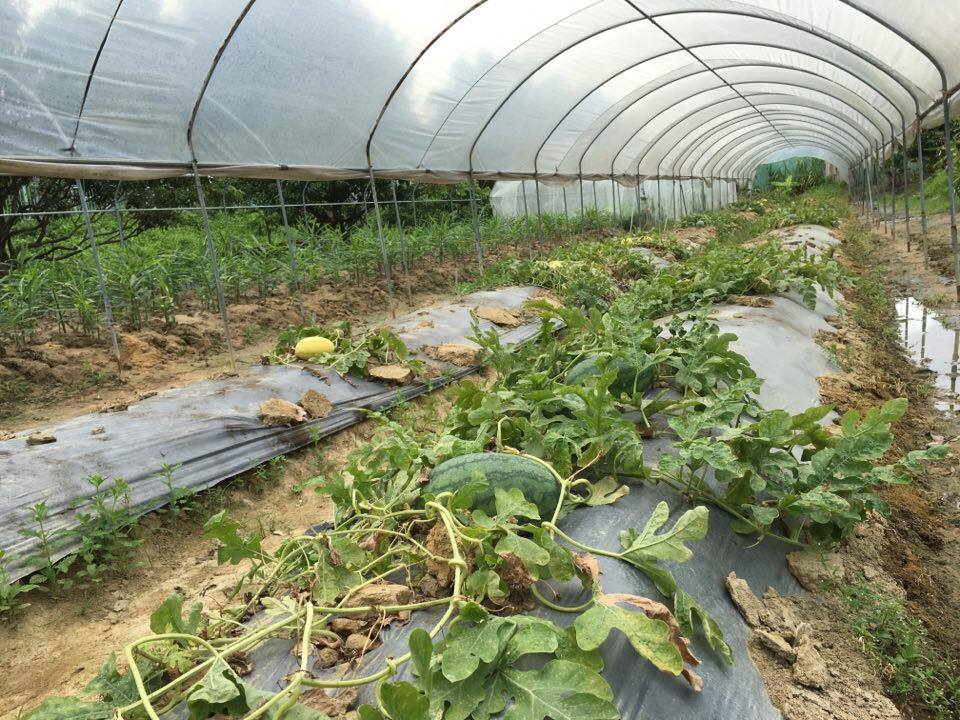
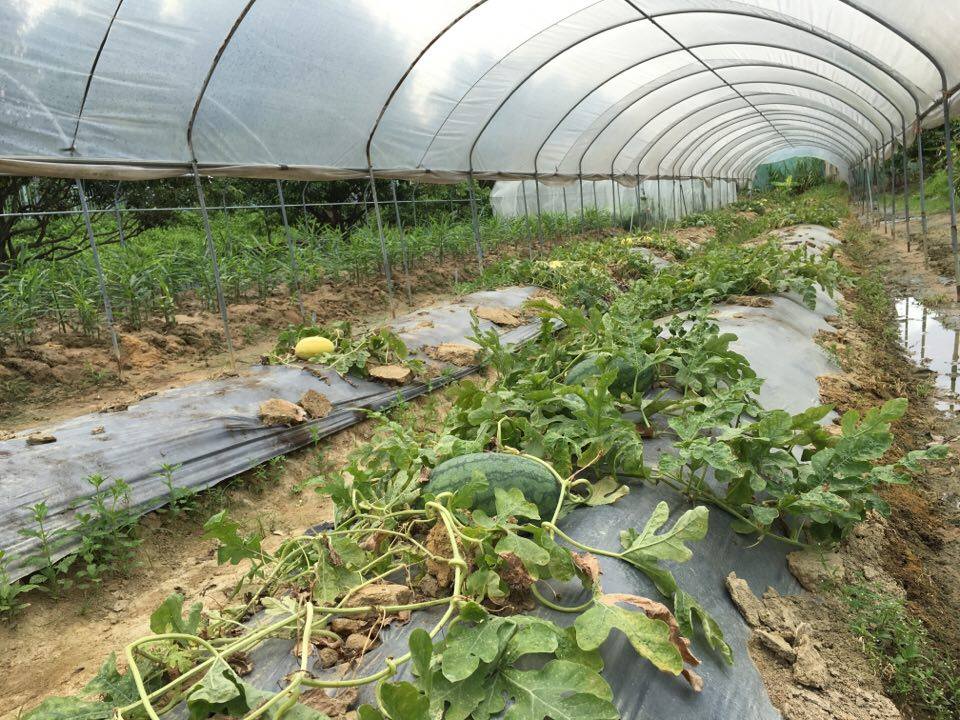
Total agricultural farmland in Hong Kong, most of it in the New Territories, stands at around 4,500 hectares, though only some 760 hectares are being used actively, said the Agriculture, Fisheries and Conservation Department.
"If we can use 500 more hectares for farming that would help boost our self-sufficiency rate," Wong said.
Citing Singapore as an example, he said the 724-square-kilometer island republic produces 30 percent of locally consumed vegetables. But Hong Kong, made up of over 1,100 sq km, supplies only 1.7 percent, relying heavily on imports from the mainland.
That is equivalent to around 34 tonnes of the 2,000 tonnes Hongkongers go through each day, and only six tonnes are organic.
According to an official estimate in 2014, Hong Kong could attain a self-sufficiency rate of about 45 percent if all 4,500 hectares of agricultural land was used for farming.
And as climate change continues to disrupt food supplies, Wong said, self-sufficiency should be the priority as emergency situations involving border closures would require larger food inventories.
According to planners, the Northern Metropolis will be home to a "modernized aquaculture industry to create more job opportunities for the agriculture and fisheries industries."
Wong said the agriculture industry, with enough funding, could invest in high-tech equipment such as sensors, drones and satellite imaging tools to develop precision agriculture to maximize yields.
But officials must first strengthen access to electricity and water as well as transport infrastructure to improve logistics for farmers, who use technologies from the 1960s and 1970s.
And the administration's focus remains on biotechnology, artificial intelligence and smart city and financial technology rather than agriculture, according to official reports in the last few years.
"Agriculture still isn't high on the government agenda and I don't think that's very reasonable," Wong said. "All governments, even Hong Kong's, should have some degree of self-sufficiency."
cjames.lee@singtaonewscorp.com
Hong Kong needs to have some degree of self-sufficiency, says Jonathan Wong. JAMES LEE