Read More



Morning Recap - October 28, 2026
4 hours ago






Hang Seng Index falls in early trading on Tuesday
27-10-2026 10:10 HKT

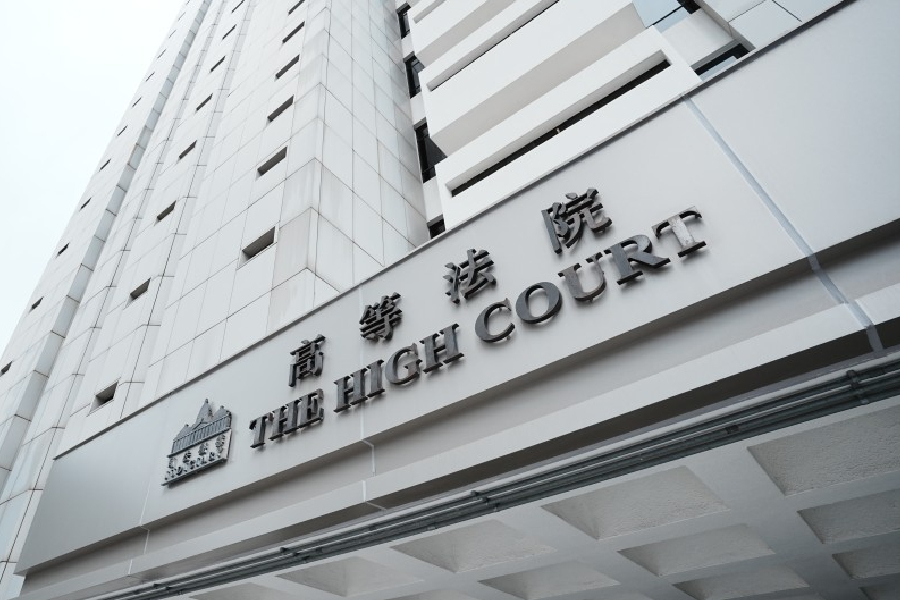
Office lottery dispute leads to High Court lawsuit over $33m prize
26-10-2026 17:24 HKT
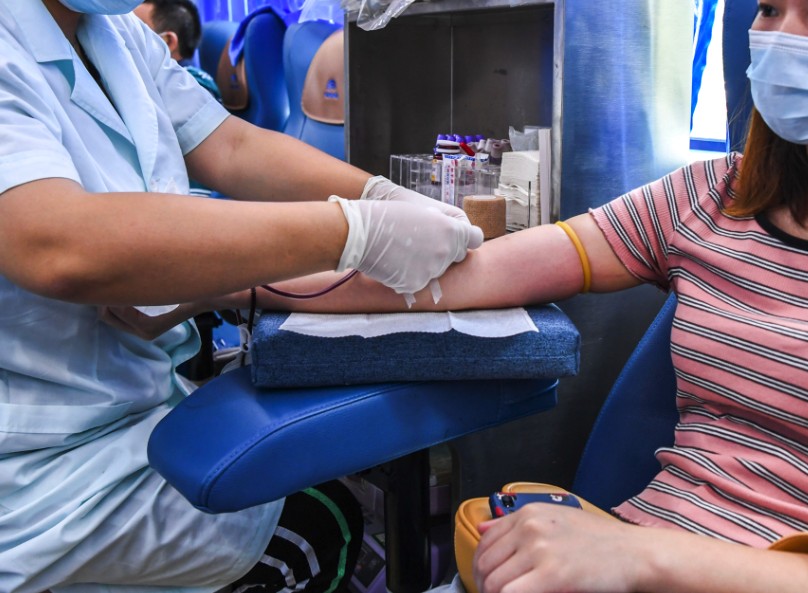
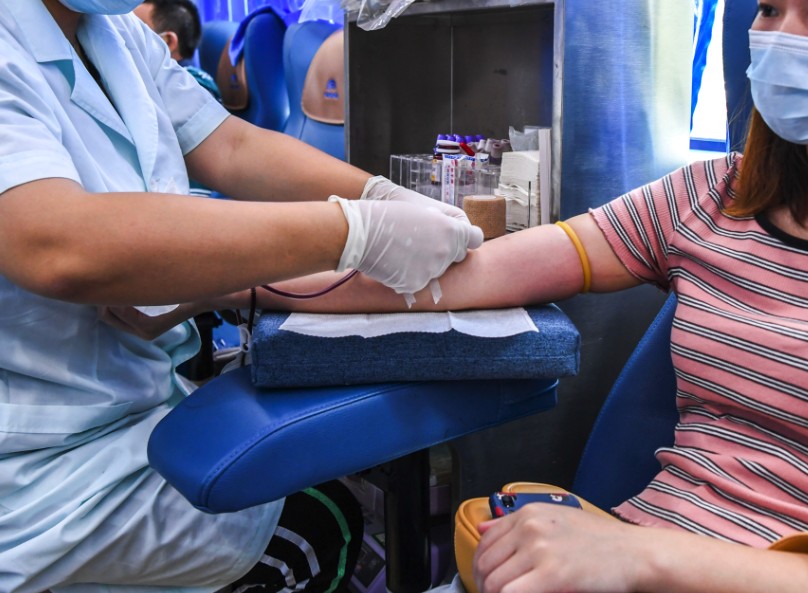
Blood donations have fallen by 60 percent due to fears of contracting Covid - or being in a bad mood - as 80 percent of former regular donors have yet to resume the habit, a survey has found.
The Society of Clinical Blood Management interviewed 452 people aged 18 to 50 from July 19 to July 29, with 63 percent saying they had donated blood but 78 percent of them did not do so regularly.
The group appealed to the public, saying the shelf life of blood can be as short as five days and that man-made blood is still in the research stage and so there is no substitute.
It urged people to donate blood regularly when circumstances permit and hoped that the Hospital Authority and medical organizations adopt strategies to reduce unnecessary blood use.
During the first to fourth waves of pandemic the frequency of blood donations per donor decreased from once a year to 0.4 times a year. Some 87 percent of regular donors did not donate blood during the fifth wave.
Among the regular donors who said they were less inclined to donate blood, 71 percent were afraid of infection and 68 percent were in a bad mood. Some 63 percent said they had not donated blood for a long time during the pandemic and had lost the habit.
The survey also revealed that respondents had misconceptions, such nonemergency medical services being reduced during the pandemic as well as not knowing or overestimating the storage period of blood.
Chow Yu-fat, former society chairman, urged people to make blood donation a habit again.
He said regular and emergency blood transfusion services have never been interrupted under the pandemic and the aging population has led to a significant increase in blood demand.
"The blood demand is increasing because of our aging population, but there's also another important factor: with the advancement of medical technology and treatment more and more people can be treated so the usage of blood is getting bigger and bigger," he said.
Citing Hong Kong Red Cross data, Chow said the internal medicine department and the geriatrics department consumed the most blood last year - 52 percent.
Betty Ho Pik-yee, a member of the group, said the survey found that 73 percent did not know man-made blood is still in the research and development stage.
stacy.shi@singtaonewscorp.com