Read More


Night Recap - June 3, 2026
4 hours ago
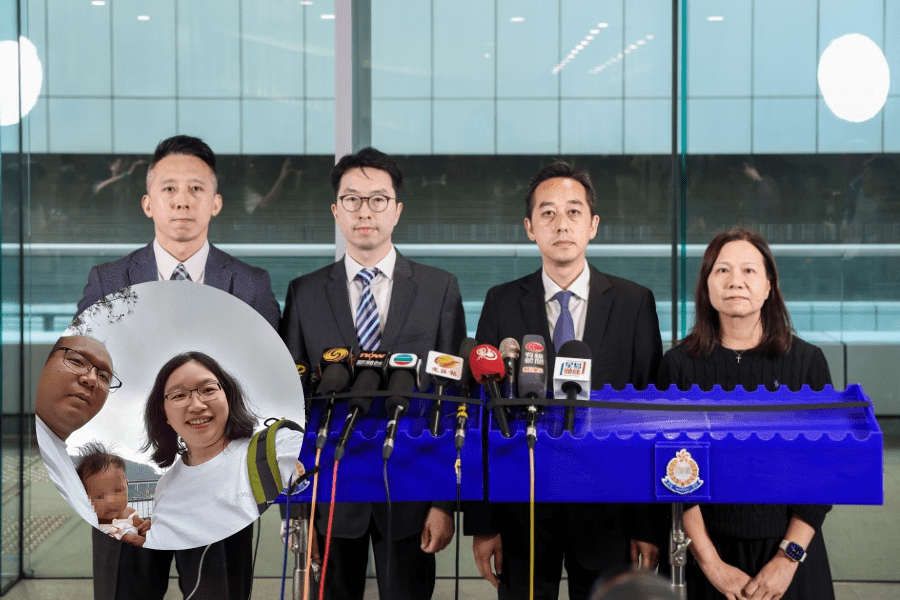




Authorities make contact with parents of newborn without birth certificate
02-06-2026 13:28 HKT
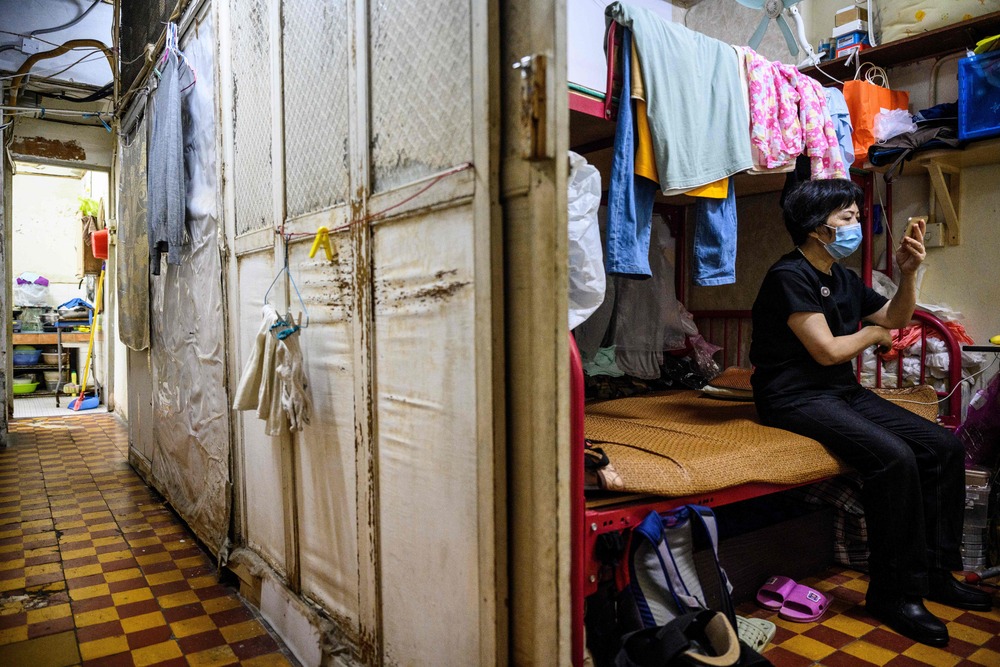
More than 90,000 households are living in subdivided flats - up 3.6 percent from last year - latest statistics show.
They are among 127,100 inadequately housed households, the highest in Chief Executive Carrie Lam Cheng Yuet-ngor's tenure, according to the annual Long-Term Housing Strategy Report released yesterday.
The 127,100 figure was 4.1 percent up from 122,000 last year. Among the inadequately housed, 73 percent - 92,200 - are living in subdivided units, up 3.6 percent from 89,000 last year.
Also among the inadequately housed are 22,100 households living in temporary structures, 7,000 in nonresidential buildings and 5,800 sharing the same units with other households.
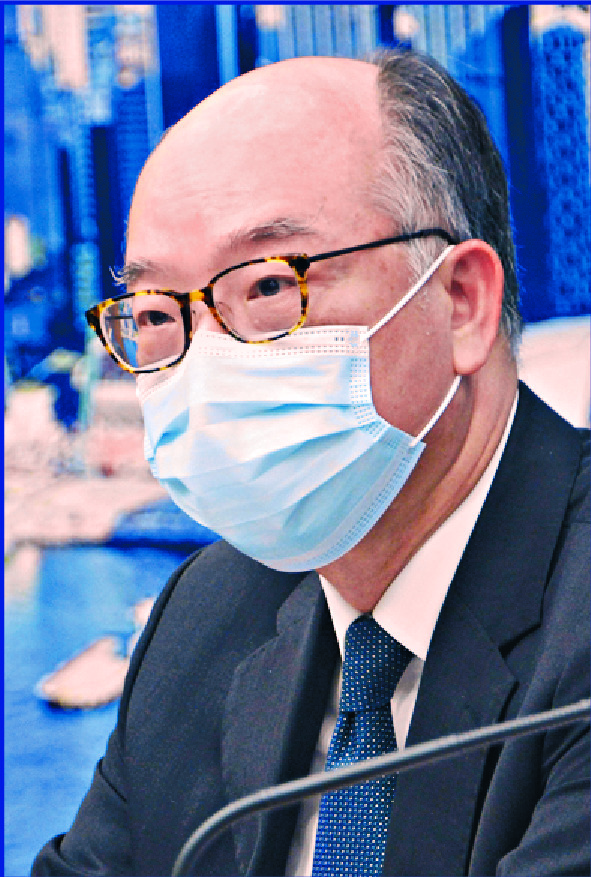
In response to the figures - the highest since Lam took office in 2017 - housing minister Frank Chan Fan said creating and finding more land plots to build more housing is the solution.
"At this point, we can only arrange inadequately housed households to temporarily live in more adequate housing so that we can buy time to find more land," Chan said.
Hong Kong and Macau Affairs Office director Xia Baolong has said the city should eliminate subdivided flats by 2049, while government officials as well as those from the Liaison Office paid high-profile visits to "cage home" residents.
Chan, the secretary for transport and housing, said the long-term housing report has taken into account the demand of public and private housing in the next 10 years, including the net increase of households as well as those living in inadequate housing.
He said the government has already found 350 hectares of land to build 330,000 public homes for the next 10 years.
That figure is among 430,000 flats the government aims to supply in the coming decade - in a ratio of 70 percent public and 30 percent private, Chan said.
This would mean the government has to at least supply 301,000 public homes in order to meet the target.
The public housing supply target of 301,000 units will comprise at least 210,000 units for public rental housing and green form subsidized home ownership scheme, while at least 91,000 units will be subsidized sale flats.
With sufficient land, Chan said around a third of the 330,000 involving 80 hectares will be rolled out by 2027, while the remaining two-thirds of 266 hectares will be rolled out between 2027 and 2032.
"The government is confident to supply a total of 330,000 public housing units in the next 10 years, but there may be variables. The government will pay its utmost effort to roll out all the units as soon as possible," he added.
As to New World Development's proposal to roll out the city's first subsidized private housing project, Chan said with a tight housing supply, any method to increase this is welcome. He said the 129,000 private units will be provided by the sale of government land and tender of properties atop and near railways.
"As supply meets demand, problems regarding subdivided flats as well as the waiting time for public rental housing will be gradually alleviated," Chan said.
The waiting time for public rental housing has reached a record high of 5.9 years on average, almost double the target set by the authority to provide housing to low-income families.
Lawmaker Wilson Or Chong-shing, who is also a committee member of the Housing Authority, said the supply figures are "satisfactory," while he calls on the transport and housing bureau to shorten internal procedures and speed up the supply.
Another committee member, Anthony Chiu Kwok-wai, executive director of the Federation of Public Housing Estates, said the housing supply in the first five years is tighter than the following five years.
"I hope rent control, interim housing and cash subsidies can alleviate the pressure on subdivided flats residents," Chiu said. "The Housing Authority should also consider tightening limits to resale subsidized sale flats to avoid people selling those flats for a profit."
michael.shum@singtaonewscorp.com