Read More
Hong Kong's birth rate has dropped to a 40-year low and could fall further this year amid a sluggish economy during the pandemic, Secretary for Labour and Welfare Law Chi-kwong warns.
ADVERTISEMENT
SCROLL TO CONTINUE WITH CONTENT
The fertility rate in 2020 was 0.87 - down from 1.05 in 2019 and the lowest since 1981 - following the social unrest and the epidemic, Law said on his blog yesterday.
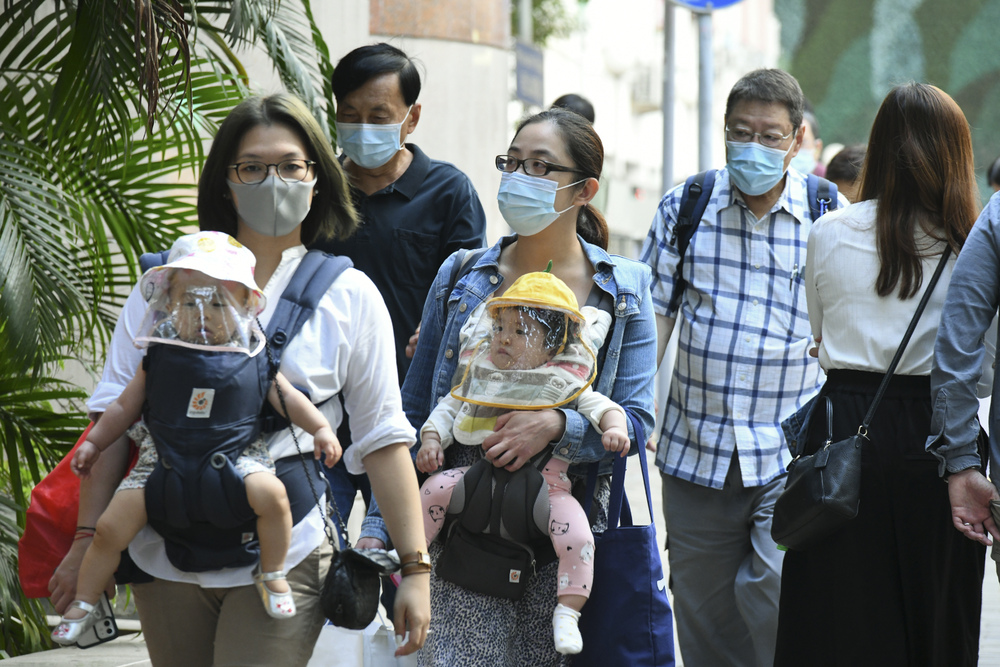
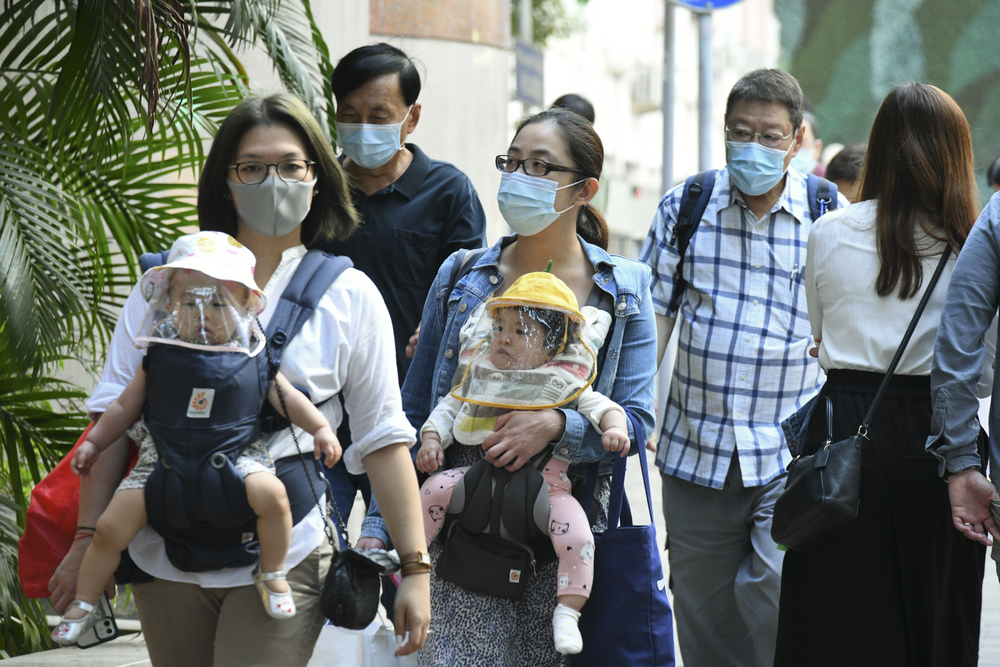
This means some 869 children would be born alive for every 1,000 women during their lifetime. Although the figure is not the lowest in the world - South Korea's is 0.84 - Law said the rate is "way lower than the expected range in the past."
He expects the fertility rate for 2021 would be lower due to the third and fourth waves of Covid-19 in the second half of last year and the high 7.2 percent jobless rate from December to February.
"The drop in fertility rate in 2020 was affected by the social incidents in 2019, as well as the pandemic later, but the trend for the fertility rate to keep falling is very obvious," Law said.
He said previous local studies had found that factors like more people are unmarried or getting married late and increasing property price to income ratio also affected the rate. Taking care of young children would also be a concern.
Law said the number of people taking paid maternity leave from December to January was "very low" despite the benefit having been extended to 14 weeks, from 10 weeks, since December 11 last year.
He said only 601 employers sought reimbursement of the additional four weeks' statutory maternity leave pay from the government up to Thursday, although this is reasonable as the scheme had just been launched.
Law said the labor force participation rate of women from December to February was 54.1 percent, about 1 percentage point lower than the 55 percent in 2019. He said some women quit their job because, among others, they had to stay at home as their children could not go to school, they could not find a helper, or they were pregnant or had to take care of young children.
The government has taken a multipronged approach to improve the quality and quantity of subsidized child-care services to raise the women's labor force participation rate and reduce barriers to having children, Law said.
In January, Law said the birth rate in the first 11 months of 2020 fell 17 percent to 40,369 newborns, while the number of deaths was 46,414 - the first time deaths exceeded births.
A Hong Kong Women Development Association survey of 1,254 people last month, showed 89 percent of the 20-29 age group is the most unwilling to have children, the highest since 2014 and up 37 percentage points over 2019.
sophie.hui@singtaonewscorp.com
The current fertility rate translates to 869 babies born for every 1,000 women during their lifetimes.SING TAO