Read More



Fascinating April events in Macao
1 hour ago

Park Island cancels six weekday ferry services, replaced by bus services
08-04-2026 13:15 HKT
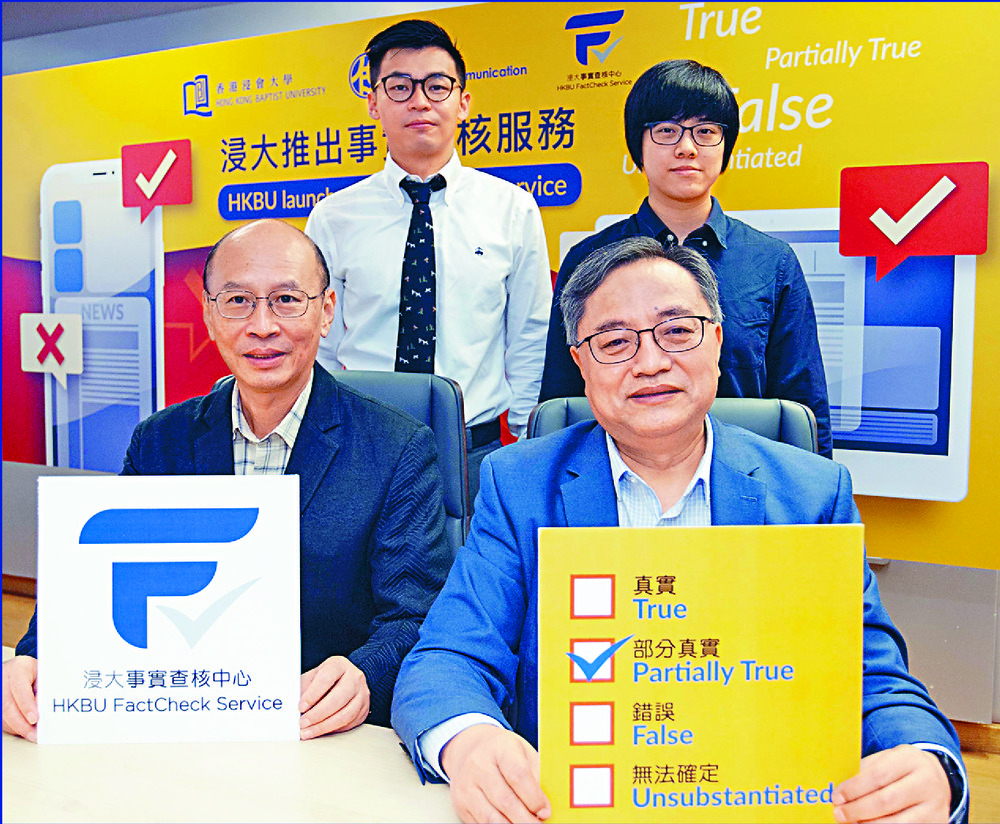
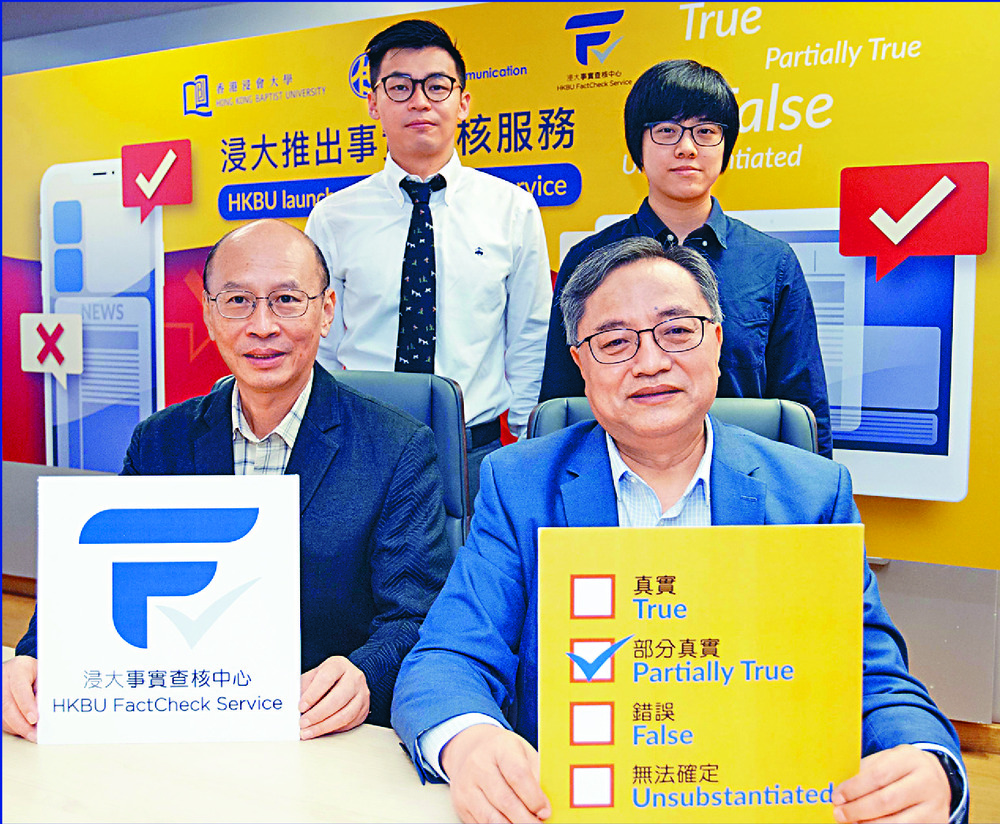
Baptist University has become the city's first academic institution to launch a free online fact-checking service against the spread of fake news.
A 12-member research team at the university's School of Communication, consisting of media lecturers, scholars and veteran journalists, ran a pilot scheme of the service in September.
In manual fact-checking, Tsang said some team members would shortlist keywords of trendy news topics every morning.
"The members would then input the selected keywords into CrowdTangle [an analytics tool] and stream corresponding information from there," she said."They will go through at least 2,000 pieces of information every day to identify suspicious content."
Tsang said one of the principles of fishing suspicious content was to see if the information was "checkable." She added: "For instance, information such as the number of people who have tested positive for Covid-19 is checkable."Tsang said the shortlisted suspicious content would then be handed to other members of the team to carry out fact-checking.
"The fact-checkers will then search for the primary source of the content, contact specialists for advice via alumni networks, interview experts or carry out on-site investigations," Tsang said."Later, they will draft fact-checking reports on the content, which will then be vetted by editors and consultants of the team before they can be published online."
She said results of the reports would be concluded by one of four verdicts: "true," "partially true," "false" or "unsubstantiated."Assistant professor at the university's Department of Journalism, Nick Zhang Yin, said the crowd-sourcing phase - still undergoing beta testing - could alleviate the fact-checking burden on the small team.
"In the long term, we hope to cohere the collective power of society, allowing more members to participate in the fact-checking process via the app," Zhang said. Media professionals will be invited to review the quality of the fact-checking process and user experience.The AI fact-checking phase is still being developed, which will enable the automatic detection and fact-checking of suspicious content.
erin.chan@singtaonewscorp.com