Read More
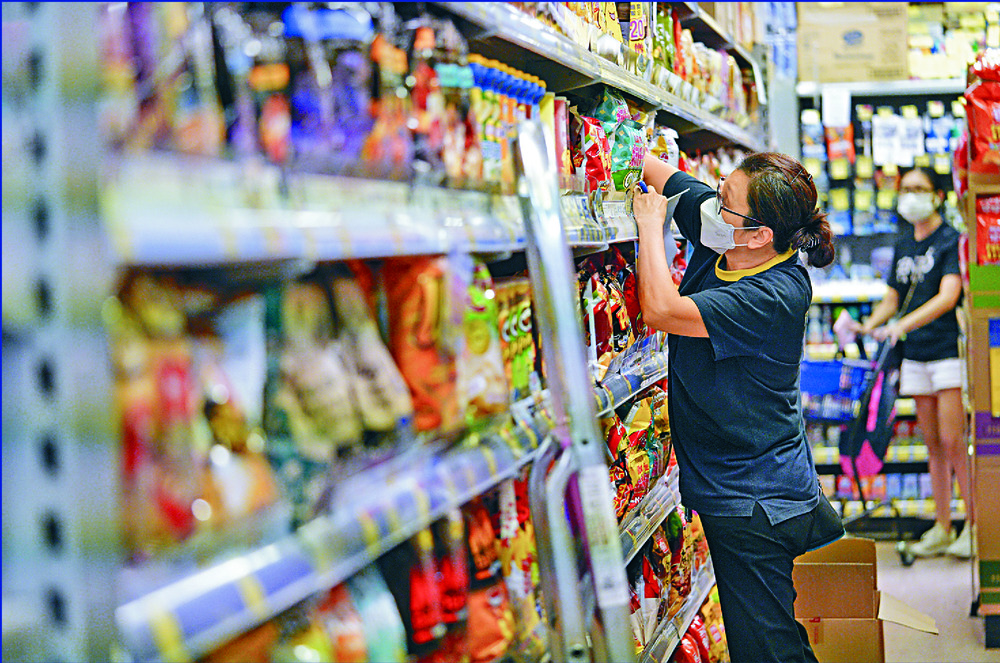
Go easy on the chips, the Consumer Council says, after finding that nine out of 10 products tested contained a possible carcinogen.
ADVERTISEMENT
SCROLL TO CONTINUE WITH CONTENT
Among 77 products tested by the watchdog, 70 were found to have acrylamide, but one sample of veggie chips and six prawn crackers were free of it.
The level of acrylamide in 12 samples exceeded the benchmarks set by the European Commission, with one sample of potato chips having the highest level of more than double those standards.
"Eating chips have become a form of stress pressure during the pandemic. It's very relaxing, no doubt," said Nora Tam Fung-yee, chairwoman of the council's research and testing committee.
"But every product has one problem or the other. Some exceed the standard of acrylamide, some are high in sodium or fat.
"So it depends on the customers - which one do you worry about most? And you make a good choice on that."
Tam also urged the government to take reference from the European standards of acrylamide that could be contained in crispy food.
Those who cannot give up the snacks but wish to reduce health risks could try making French fries and chips themselves.
Council chief executive Gilly Wong Fung-han advised people to "know when to stop" when consuming these snacks, especially when watching television or making long phone calls with friends.
This is because practices like rinsing potatoes with warm or hot water before frying, and chopping them into bigger pieces, could help decrease the amount of acrylamide produced during the cooking process.
Studies have shown that with the pandemic forcing people around the world to stay at home, snacking and comfort eating have been on the rise as a popular past-time and a way to escape from the pressures of daily life.
A European regulation introduced in 2018 stipulates that ready-to-eat French fries should contain no more than 500 micrograms of acrylamide per kilogram. It also set the maximum level of acrylamide in potato crisps and potato-based crackers at 750 micrograms per kg.
Based on such standards, the council tested 67 prepackaged crispy snacks such as potato chips and sticks, sweet potato chips and quinoa flakes, among others.
They also examined 10 samples of ready-to-eat French fries, hash browns and potato lattice bought from fast-food chains and food stalls.
Results showed that 29 samples of prepackaged potato chips and potato sticks had the highest amount of acrylamide, with an average of 644ug per kg.
Nine failed to meet the European benchmark. A product of Topvalu contained 2,614ug per kg, which was nearly 2.5 times higher than the benchmark.
The ready-to-eat products came as the second highest group, which had an average of 392ug of acrylamide per kg.
In comparison, prawn crackers and sticks, corn chips and sticks, as well as quinoa flakes contained relatively low levels of acrylamide.
mandy.zheng@singtaonewscorp.com
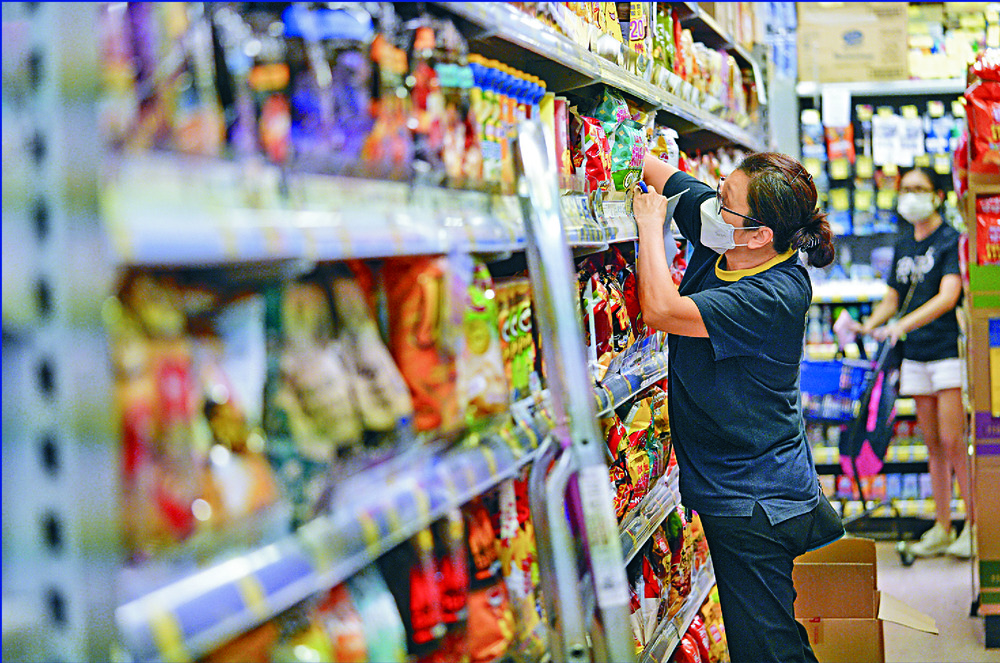
A total of 70 of 77 types and brands of chips tested contained a possible carcinogen called acrylamide. SING TAO