Read More








Colluding with foreign forces will be an offense under the national security law being imposed on Hong Kong, says the latest draft now under deliberation by the country's top legislative body.
It was announced after the meeting started yesterday that the draft of the national security law has been passed to the National People's Congress Standing Committee for scrutiny. The committee began a three-day meeting in Beijing yesterday.
Chairman Shen Chunyao and vice chairman Zhang Yong of the Hong Kong Basic Law Committee under the NPC Standing Committee did not respond to media questions before the meeting.
Xinhua said the draft detailed the definitions of and penalties for secession, subversion, terrorism and colluding with foreign forces in the SAR.
But the wording of the last offense has been changed since the NPC passed a resolution on May 28.
In the resolution to empower the committee to draft the legislation, it was written in the last paragraph that the law should "stop and punish activities of foreign and external forces to interfere in the affairs of the SAR."
However, in Xinhua's report, it was changed to "stop and punish collusion with foreign or external forces to endanger national security."
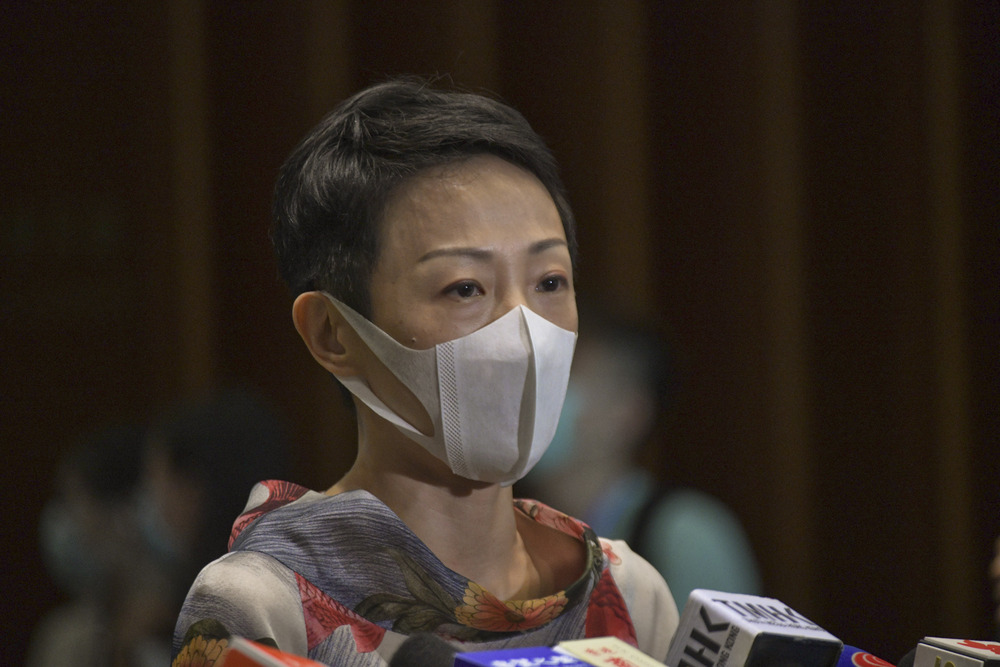
The convener of the pan-democratic camp, Tanya Chan, said it is worrying that Beijing has changed the wording from "foreign intervention" to "collusion with foreign forces."
"There is not even a definition for 'collusion,' even in mainland China, not to mention Hong Kong. I am worried that the central government will endlessly expand the definition of 'collusion,' or even make up charges to frame somebody in the future," Chan said.
Legal sector lawmaker Dennis Kwok Wing-hang said it would be horrifying if the law does not clearly define collusion in legal terms.
He added that various sectors of the SAR, ranging from businessmen to academics, maintain exchanges with the international community and talk about Hong Kong affairs or international affairs that are of interest to them.
"Are they saying that all those activities will be deemed as colluding with foreign forces, hence becoming a criminal activity going forward? That is ridiculous," Kwok said.
"In the end, this national security law is not really about national security, but really about silencing Hong Kong's opposition," he added.
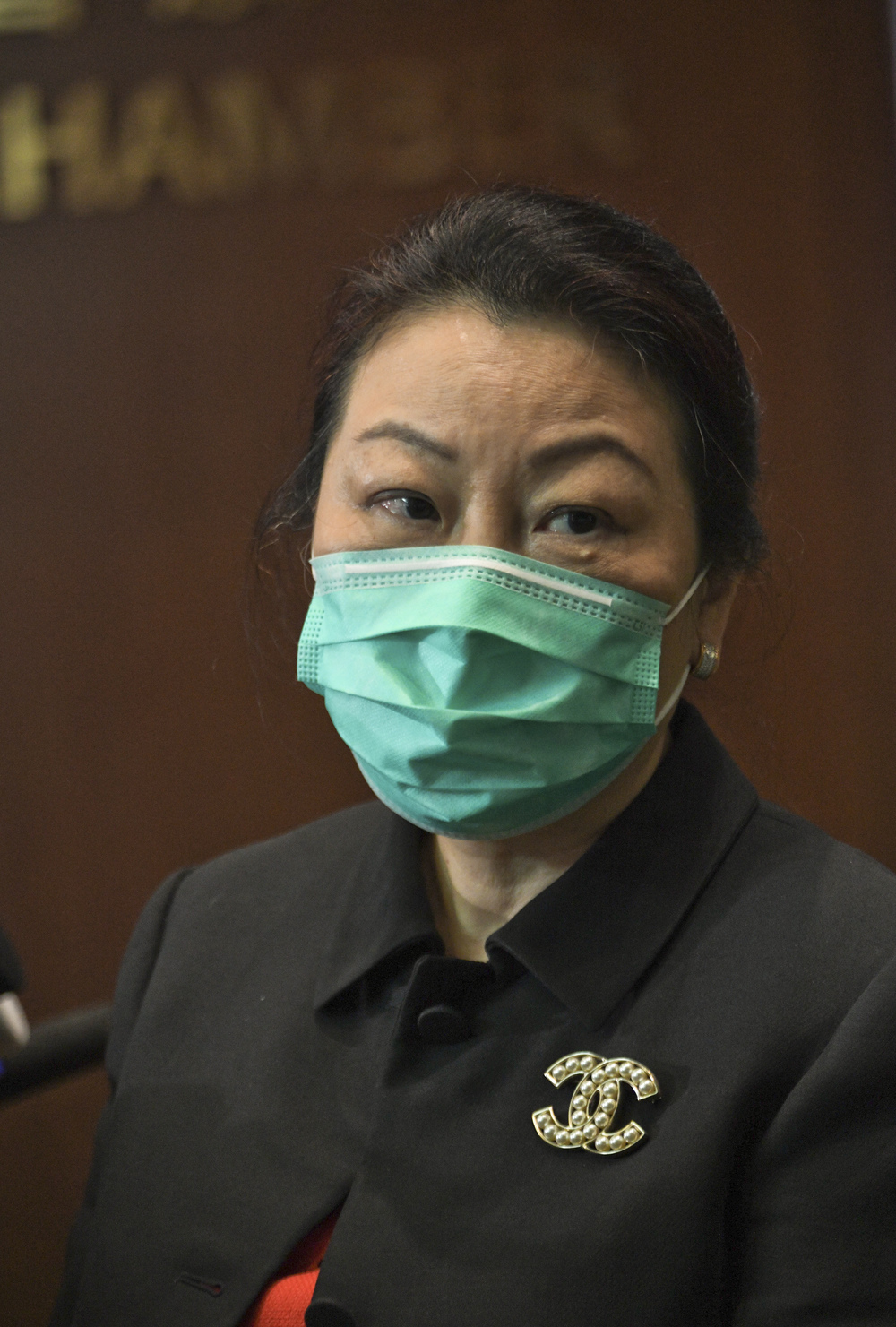
Secretary for Justice Teresa Cheng Yeuk-wah refused to comment on the change of wording, as she said it is too early to speculate before the clauses have been released. "It is too early to make speculation, which might lead to an incomplete or incorrect understanding toward the law," she said.
But Cheng sought to allay worries: "The NPC has previously said the legislation will improve one country, two systems and safeguard the long-term stability of Hong Kong as well as Hongkongers' legitimate rights. Therefore, everyone should have peace of mind."
Pro-establishment camp lawmaker Holden Chow Ho-ding also did not comment on the wording change, but reiterated that the law will only target a minority of "troublemakers" who pose a threat to national security. He called on Hongkongers not to scare people through exaggeration.
The report did not specify when the committee would vote on the draft, but the body usually announces its decisions at the end of meetings.
Speculation began after the legislation was not listed on the agenda of the session as a spokesman for the Legislative Affairs Commission of the committee, Yue Zhongming, told reporters that Beijing will speed up the legislation on the national security law for Hong Kong.
Hong Kong's sole delegate to the NPCSC, Tam Yiu-chung, said he could not reveal any details of the draft law as it was supposed to be confidential.