Read More





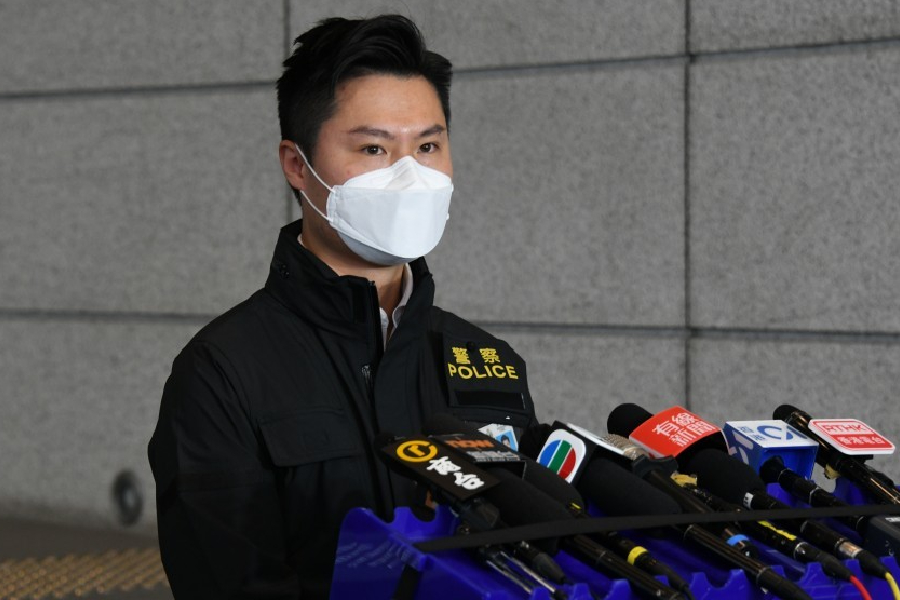
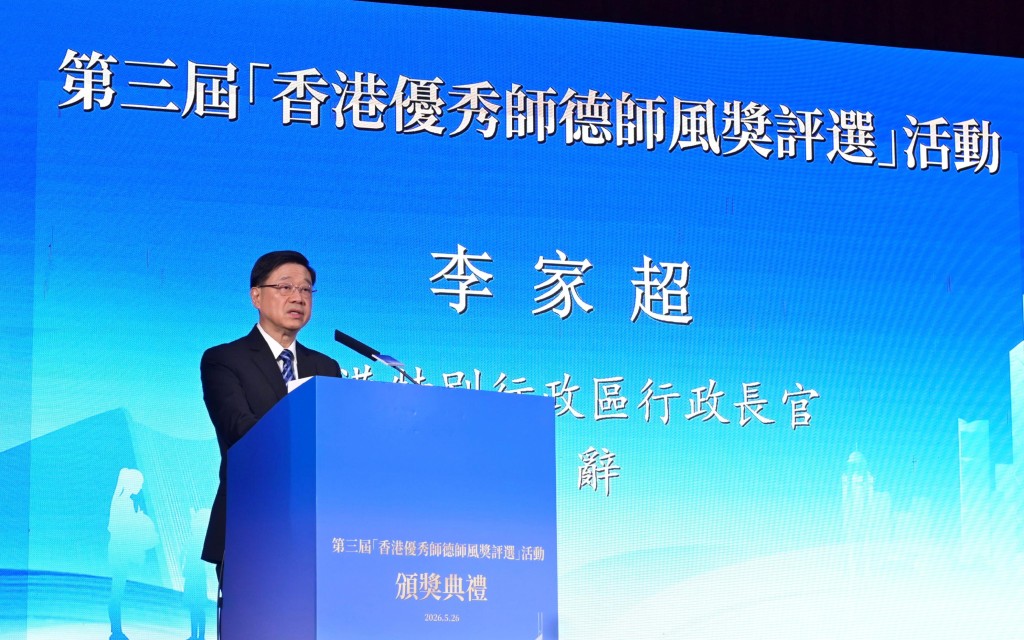




Jury trials would not be appropriate for the new national security law, says Executive Council member Regina Ip Lau Suk-yee.
Ip's comment marks a change from her proposal that national security cases be heard by a jury during her effort to enact Basic Law Article 23 in 2003, when she was secretary for security.
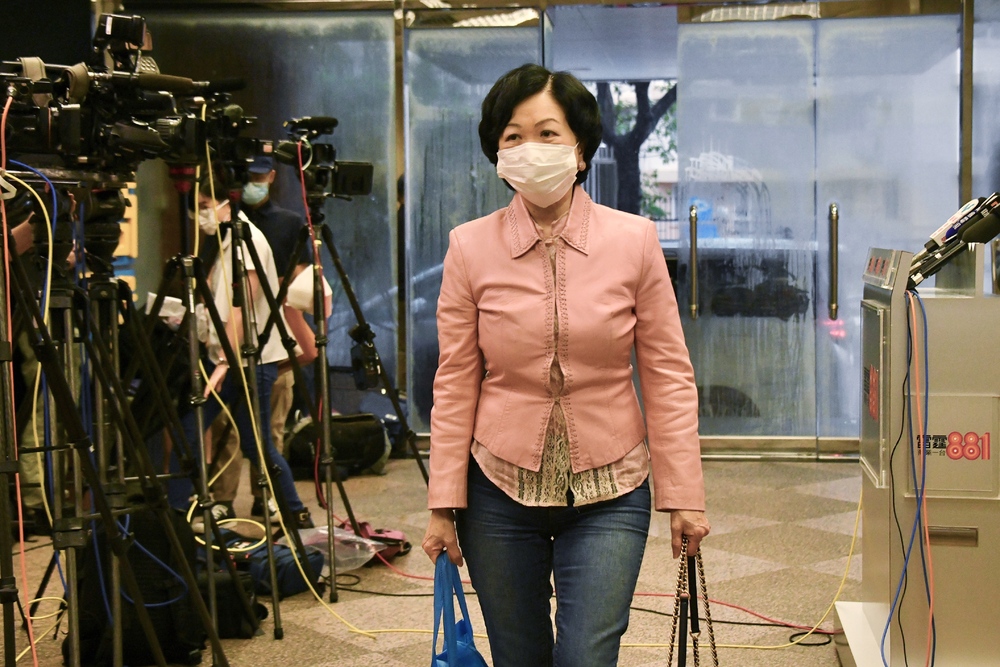
On a radio program yesterday, Ip said it would be inappropriate for juries to hear cases under the new security law as Hong Kong has dealt with cases of this sort infrequently and jurors might be worried about being victims of doxxing.
After the program, Ip, also a lawmaker and chair of the New People's Party, cited difficulties in finding "truly impartial jurors" as the reason for her change of heart.
"You can easily say 'I am an admirer of certain politicians' so you don't have to serve as a juror," she said. "In Hong Kong, it is difficult to find truly impartial jurors these days, so present circumstances might make a trial by jury inappropriate."
Ip also said Hongkongers should not put too much stock in British Prime Minister Boris Johnson granting British National (Overseas) passport holders the right of abode.
Britain earlier announced that it would be allowing BNO passport holders to stay in the country for 12 months, potentially putting them on the path to citizenship.
Johnson vowed on Wednesday to overhaul Britain's visa system to accommodate Hongkongers after the National People's Congress passed a resolution to legislate national security laws for Hong Kong on May 28.
Ip said everything would depend on how Johnson would change immigration laws.
"It will not be too significant if the British government only makes minor changes, unless it allows BNO holders to work in the UK without meeting technical and salary requirements," she said.
"Hongkongers would need to stay for six years before getting citizenship, and they would have to pay local taxes without enjoying benefits."
Pan-democrat Martin Lee Chu-ming, meanwhile, said he found Ip's no-jury suggestion "surprising."
The senior counsel said jury trials are arranged for all defendants facing serious crimes at the High Court and wondered if Ip was trying to help Beijing's effort to exercise "comprehensive jurisdiction" over Hong Kong.
"I don't know why any Hongkonger would make such a suggestion to deviate from current laws," Lee said. "Perhaps there is a fear that juries may not be willing to find certain defendants guilty, so you have to get a judge [to do it]."
Lee said people should be allowed to show banners with the words "Hong Kong independence" and only prosecute people for actions that incite people to commit action overthrowing the government.
On a TVB commentary program, Lee said it is unnecessary to legislate national security laws as there are existing laws to deal with violent acts and because it will be a breach of the Basic Law if the country legislates laws for Hong Kong.
He also brushed off claims the pan-democratic camp should take responsibility for the failure to legislate Basic Law Article 23.
Lee said since the pro-establishment camp has had the majority in Legco since the handover, blaming the pan-democratic camp for the failure is illogical.
Meanwhile, two Beijing heavyweights will deliver keynote speeches on national security in a government-organized webinar today to commemorate the 30th anniversary of the promulgation of the Basic Law.
Deputy director of the Hong Kong and Macau Affairs Office, Zhang Xiaoming, and the vice chairman of the Basic Law Committee under the Standing Committee of the National People's Congress, Zhang Yong, will speak in the webinar on national security, one country, two systems and the Basic Law.
michael.shum@singtaonewscorp.com