Read More







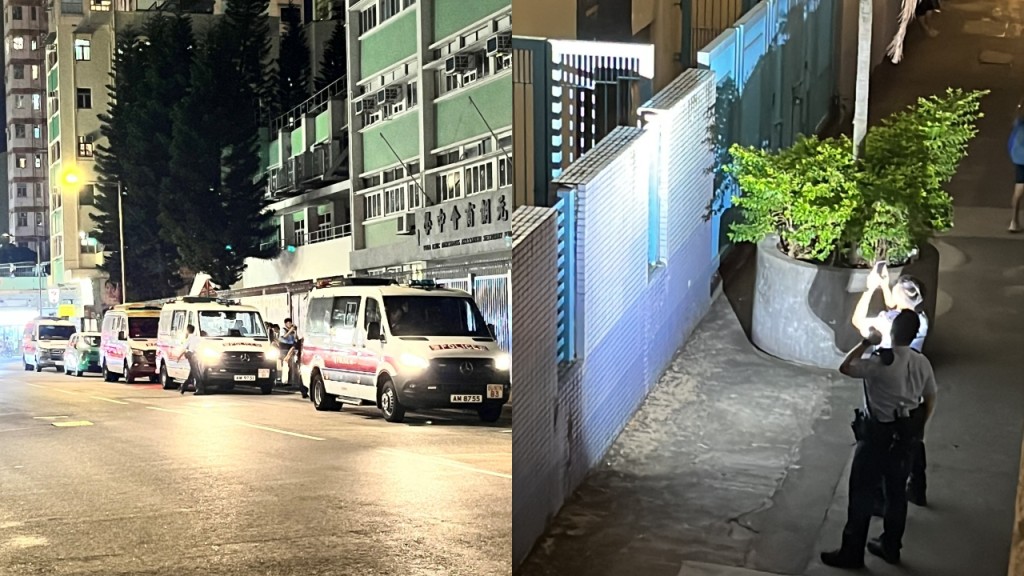


Taiwan will ban entry for many foreigners as part of prevention measures, excluding resident permit holders, diplomats, and migrant workers as it battles a rise in imported cases.
Taiwan has won plaudits from health experts for its efforts to rein in the virus but has begun reporting daily rises in cases among people returning from other countries, especially Europe.
Its tally of 100 cases includes 23 reported yesterday.
With almost all the cases of the last three days imported, the government has already asked Taiwanese not to travel abroad unless necessary and will step up its controls from midnight to stop the entry of most foreigners.
"No matter whether you are Taiwanese or a foreigner in Taiwan, in the face of the virus we are all in the same boat," President Tsai Ing-wen wrote on her Facebook page, detailing the entry ban.
All entrants to Taiwan will have to spend 14 days in self-quarantine, health minister Chen Shih-chung said, adding that the number of imported cases had increased sharply.
"I hope this peak period will pass quickly," Chen added.
The government did not say how long the measures would run, adding that would depend on how the situation developed.
Taiwan is also making an exception for foreign migrant workers employed in factories and as home carers, though they will have to spend 14 days in self-quarantine upon arrival.
The European Union sealed off its borders in a bid to halt the pandemic as the number of deaths on the continent soared past the toll in Asia.
Millions of people are on strict lockdown in Europe, now the epicenter of Covid-19 with more than 3,400 deaths recorded, according to an Agence France-Presse tally.
Europe has 3,421 deaths - including 2,503 in Italy - leapfrogging Asia's tally of 3,384.
EU leaders have also been working on how to make sure that essential goods keep flowing as borders remain clogged.
They will also look at ways to allow seasonal agricultural workers, needed to keep the production of food going, to travel back and forth across essentially closed borders.
In Brussels, Ursula von der Leyen, the European Commission president, said there had been "a unanimous and united approach" to the decision to prohibit most foreigners from entering the EU for 30 days.
German Chancellor Angela Merkel said European leaders agreed in a conference call to the commission's proposal for an entry ban to the bloc - along with Norway, Switzerland, Iceland and Britain - with "very, very limited exceptions."
Germany will implement the decision immediately.
In Southeast Asia, the causeway between Malaysia and the financial hub of Singapore was eerily quiet after Malaysia shut its borders, while the Philippines backed down on an order giving foreigners 72 hours to leave from a large part of its main island.
In Thailand, Bangkok's notorious red-light districts were due to go dark yesterday after a government order closed bars, schools, movie theaters, and many other venues.
Even tourists on Ecuador's iconic Galapagos islands -1,000 kilometers off the South American mainland - have been affected.
Canadian Jessy Lamontaine and her family were stuck on the island when flights were suspended and they missed the last trip out.