
Read More



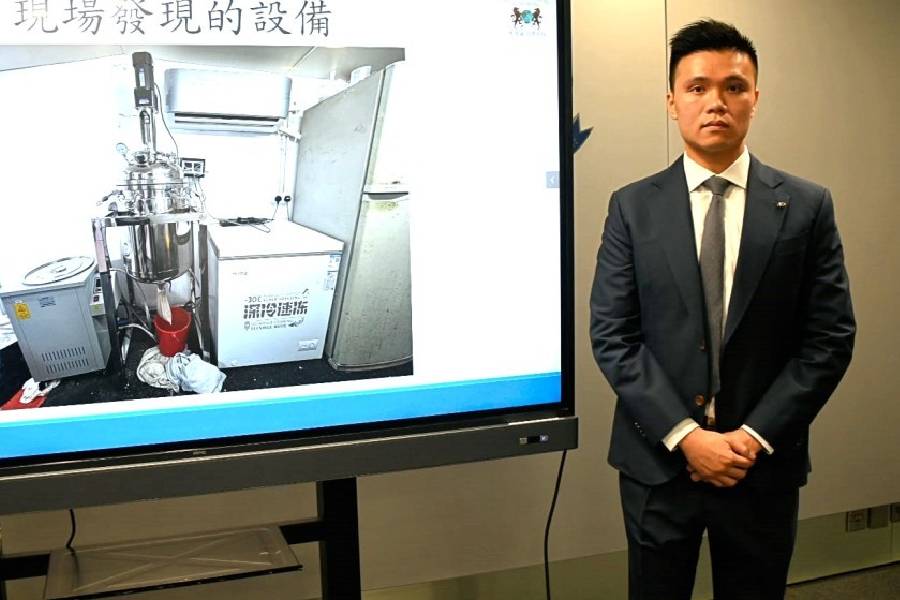




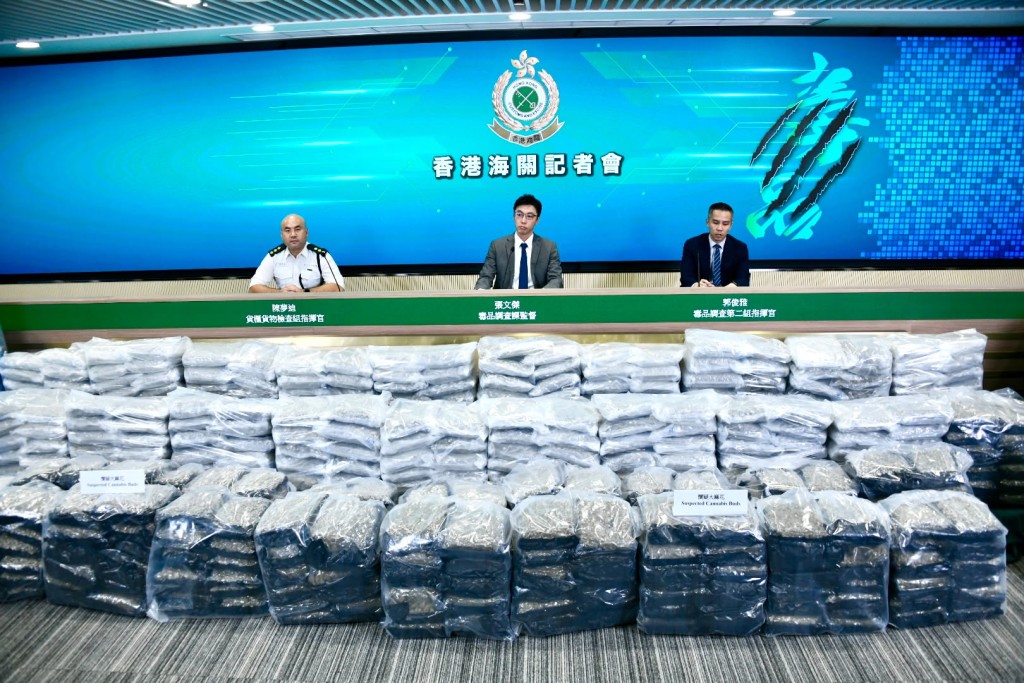
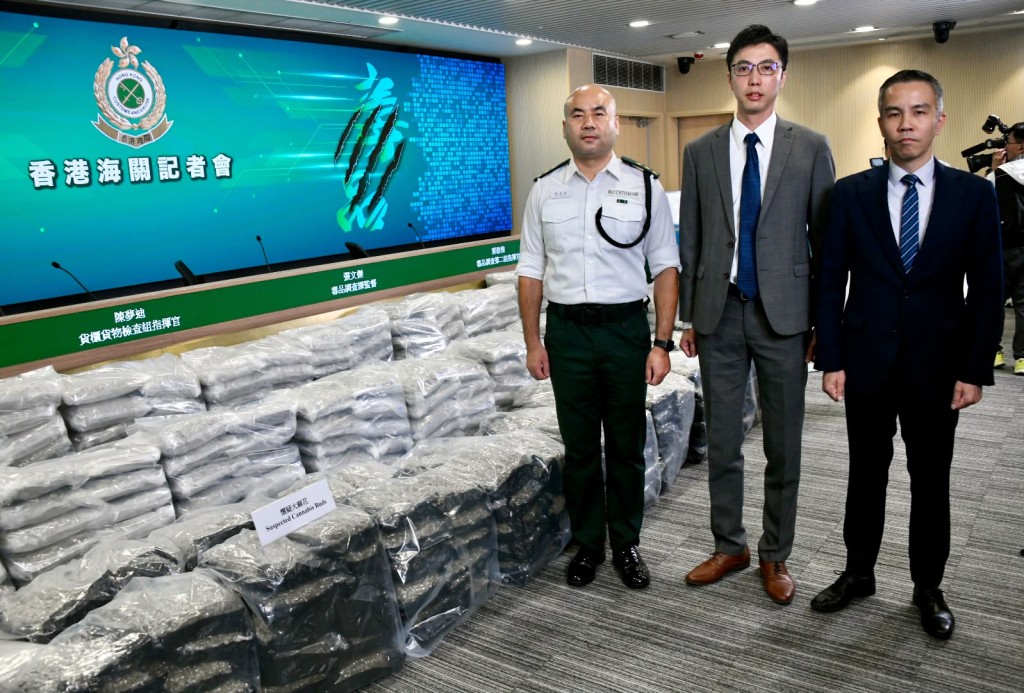
Hong Kong Customs has intercepted 535 kilograms of suspected cannabis with an estimated street value of HK$125 million in the largest seaborne trafficking case of its kind on record.
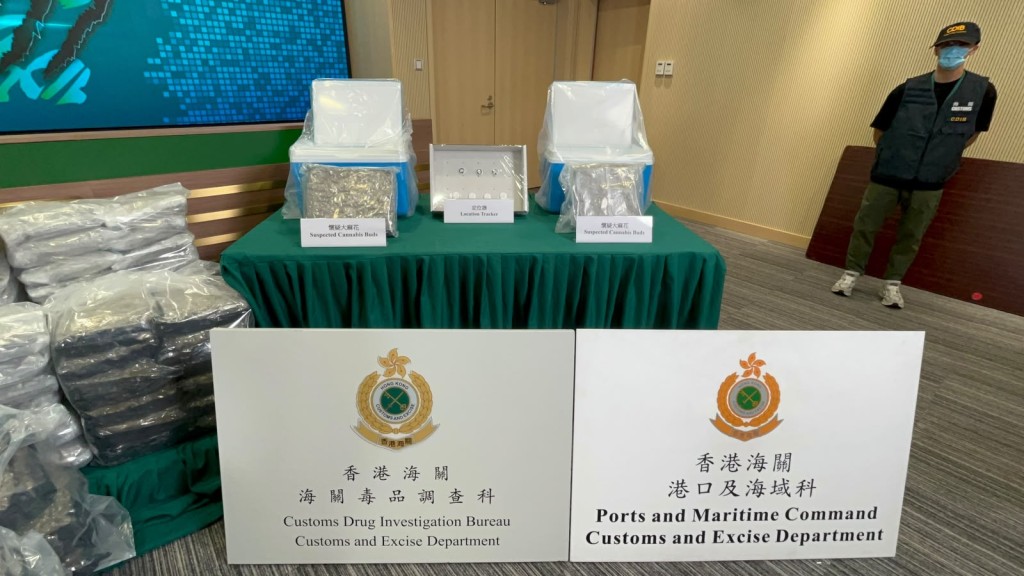
The contraband, concealed inside an ocean shipment declared as thermal containers arriving from Thailand, was outfitted with hidden satellite tracking devices designed to monitor the illicit cargo in real time.
Following a covert 16-day controlled delivery operation, customs officers raided a tenement flat in Mong Kok, apprehending three men, including a key syndicate member holding a recognizance form.
The interception stemmed from ongoing intelligence exchanges and risk assessments conducted by customs authorities targeting maritime freight routes.
The customs spokesman explained that officers flagged a 40-foot container shipped from Thailand on September 2.
An inspection using a mobile X-ray vehicle scanning system revealed irregular cargo density within the central section of the container.
Upon opening the shipment, officers examined 1,342 boxes of thermal containers and noticed that 442 were marked with distinct blue lettering. Frontline personnel subsequently discovered that 364 of those boxes were roughly one to two kilograms heavier than standard units.
Further inspection confirmed the boxes were packed with cannabis sealed in plastic bags and vacuum packaging in an effort to suppress the pungent odor.
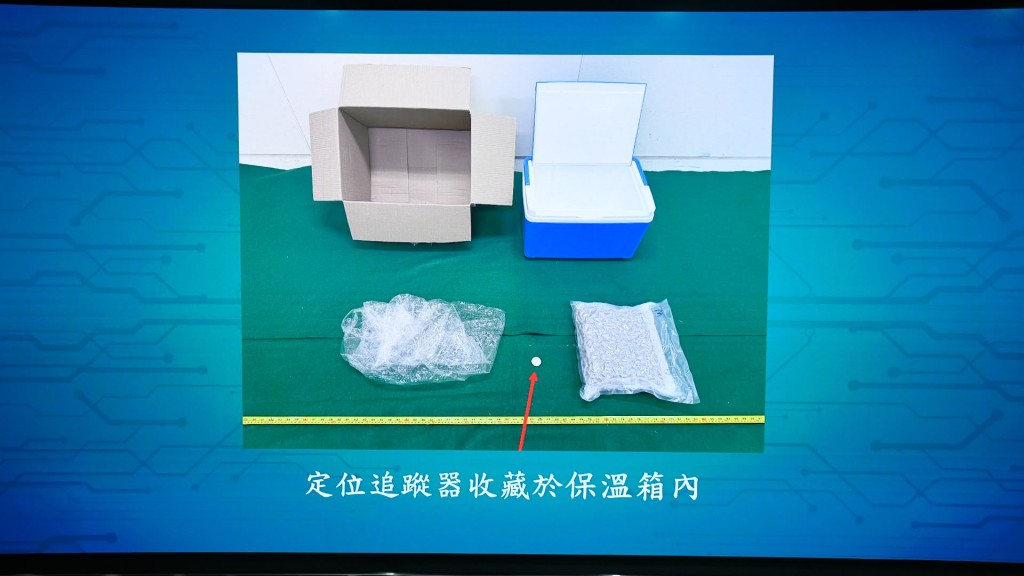
The customs spokesman also noted that multiple functioning positioning devices were concealed among the cargo cartons, a tactic rarely observed in recent drug trafficking cases.
Investigators believe the syndicate placed the tracking units inside the boxes to maintain uninterrupted remote surveillance across every stage of the transit, from the maritime voyage out of Thailand to local road transport, transfer, and warehousing in Hong Kong.
The sophisticated measure underscored the syndicate’s meticulous precautions to ensure the high-value shipment reached their hands safely while guarding against theft or law enforcement interdiction.
Rather than making immediate arrests at the container terminal, customs officers opted for a patient tactical approach.
Officers stated that investigators launched a 16-day surveillance operation to track the movement of the narcotics.
The breakthrough came on September 17 when two men arrived at the storage facility in a truck and selectively retrieved 54 boxes before driving them to a curbside unloading spot in Mong Kok. A third man then received the cargo and began moving the boxes into a nearby tenement apartment.
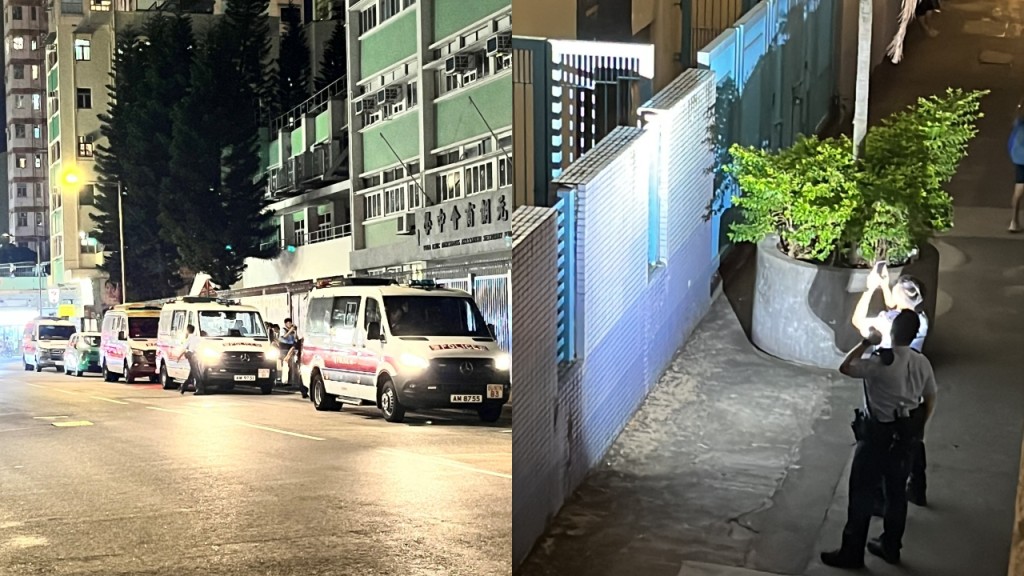
Waiting customs officers stormed the premises, arresting three men aged between 21 and 47. The suspects included two local residents and a Vietnamese national residing in Hong Kong on a recognizance document.
Two of the men have been released on bail pending further investigation, while the Vietnamese national has been formally charged with attempting to traffic in a dangerous drug and is scheduled to appear at Kowloon City Magistrates' Courts.
The officers pointed out that the syndicate demonstrated a detailed understanding of local logistics operations, using staggered pickups and deliberate time delays alongside real-time tracking to test whether the cargo had attracted law enforcement attention.
Official figures show that customs seized 2,875 kilograms of cannabis-related narcotics in the first eight months of this year, representing a 27 percent increase compared to the same period last year.
The authorities attributed the surge to relaxed cannabis regulations and lower production costs in certain overseas jurisdictions, which have contributed to an abundant global supply.
Customs authorities urged logistics workers and warehouse operators to remain vigilant against being exploited by drug syndicates and encouraged members of the public to report any suspicious freight activities or unusual odors through official reporting hotlines.