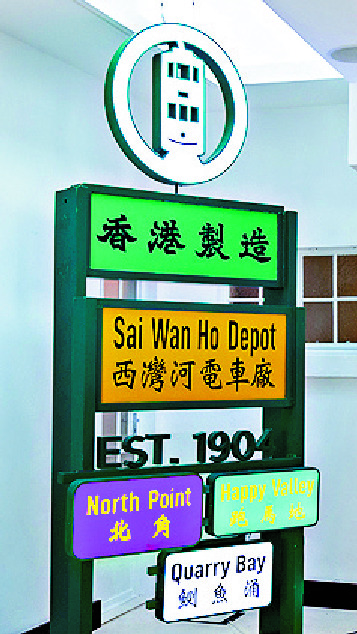
Established in 1904, Hong Kong Tramways has been a cultural cornerstone of public transportation in the city.
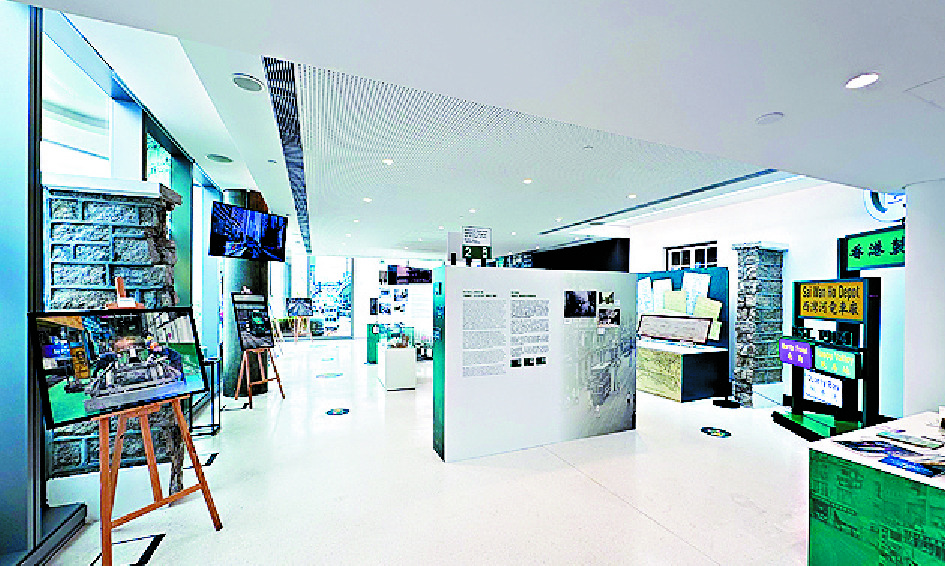
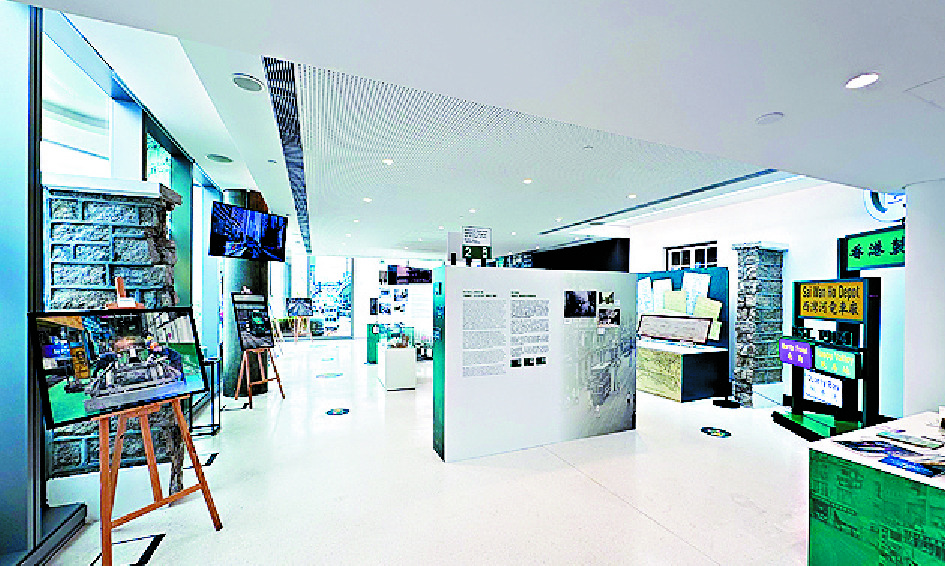
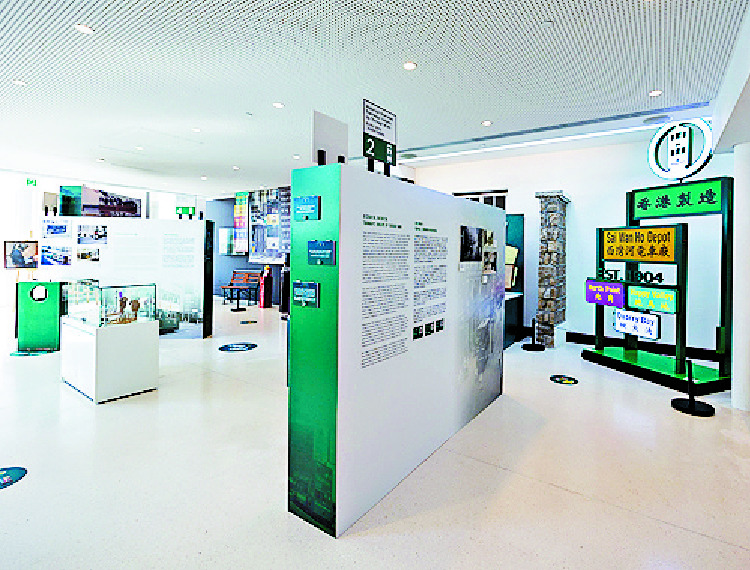
To celebrate its 120th anniversary, the Hong Kong Jockey Club University of Chicago Heritage Courtyard and Interpretation Center has organized Tram Tales: 120 Years of Hong Kong Tramways.
The exhibition takes visitors on a journey through the history of tramways - from their origins to their modern-day prominence in urban transportation.
Definitely not to be missed is the signal bell that was once installed at the rear of the tram's lower deck. Conductors used to signal with these bells, creating the iconic sound that gave trams their beloved nickname: Ding Ding.
Visitors can try ringing the bell to experience the nostalgic sound for themselves.
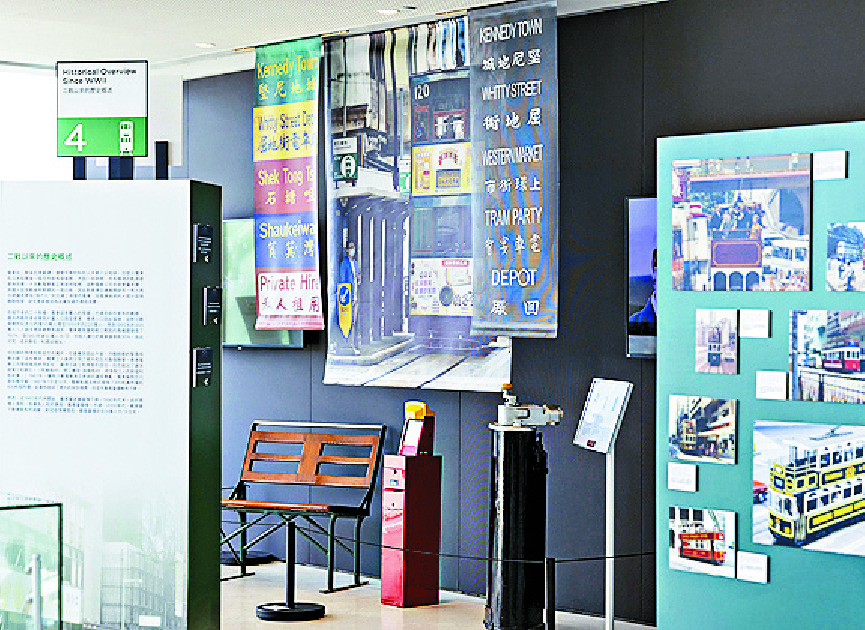
The exhibition also showcases a diverse collection of historical artifacts, ranging from maps of early tram routes to photographs of trams throughout different eras. Additionally, visitors can enjoy a display featuring vintage tram tickets.
As the exhibition brings us back to when trams were in their prime, it also reminds us of their uncertain future as passenger numbers have declined in recent years, said Hee Sun-choi, assistant professor from the School of Design at Hong Kong Polytechnic University who researched the evolution of trams.
"Many people may think that trams are going to fade away, but I disagree," Choi said.
Despite the MTR's increasing popularity due to convenience and extensive coverage, Choi believes that tramways hold an irreplaceable role in Hong Kong.
Trams run on electricity and produce zero emissions, making them greener than most other forms of transportation.
They are also a huge Hong Kong tourist attraction.
Nevertheless, for trams to regain their prosperity, certain improvements are necessary.
One thing Choi proposed was making them more comfortable for passengers.
"The actual distance between passengers on a tram, at max capacity, is 30 centimeters. It is not a very comfortable distance," she said. "If we can widen the distance between seats and also the distance between the tram and shops on the street, it can provide a better experience and view of the city."
Her other ideas for how trams can evolve in the future include repurposing them as museums or restaurants.
Tram Tales: 120 Years of Hong Kong Tramways is on show at the Hong Kong Jockey Club University of Chicago Heritage Courtyard and Exhibition Center until May 24.