Read More
Lalatech, the parent company of Chinese on-demand logistics and delivery firm Lalamove, is reviving its bid for a Hong Kong initial public offering.
ADVERTISEMENT
SCROLL TO CONTINUE WITH CONTENT
The company, also known as Huolala in the mainland, shifted its US$1 billion (HK$7.8 billion) share sale plan from the US to Hong Kong in 2021 after mainland regulators started to tighten their grip on overseas listings.
The crackdown forced the country's biggest ride-hailing company Didi Global to delist from the New York Stock Exchange after a tumultuous 11-month ride that saw its shares sink by more 84 percent over the period to close at US$2.29 from the IPO price of US$14 on its last trading day in the NYSE in June 2022.
Lalatech filed its first Hong Kong listing application in March this year.
Founded in Hong Kong 10 years ago, Lalamove is the world's largest logistics transaction platform by closed-loop freight gross transaction value or GTV in the first half of this year, with a market share of around 44 percent, according to its preliminary prospectus, which cites data from consultancy Frost & Sullivan.
The platform facilitated over 260.1 million orders with a freight GTV of US$3.9 billion in the first six months of the year, the firm says.
It had approximately 12.2 million monthly active merchants and 1.1 million monthly active carriers on average on the platform in the period.
Although it operates in over 400 cities across 11 global markets, around 90 percent of its revenue is from China.
Its revenue nearly doubled from 2020 to US$1.04 billion in 2022, but Lalamove is still struggling to make profits.
Its adjusted loss, which excluded the fair value changes in redeemable convertible preferred shares, jumped by 3.2 times year-on-year to US$653 million in 2021 as the selling and marketing expenses surged, though the figure narrowed to US$14.9 million in 2022.
After the adjustments, the company recorded its first-ever net profit of US$36.97 million in the first half of 2022 but swung back to a loss of US$33 million in the same period of this year.
Lalamove attributed the rise to the improvement of its monetization strategies for its freight platform services in China, which accounted for nearly 60 percent of its revenue in the first half of 2023.
It initially depended on carrier membership fees for revenue when it entered China in 2014 and gradually started to charge commissions on each order it facilitated from 2018 as its carrier base grew.
For example, it offered three tiers of membership to carriers operating certain vehicle types in Shenzhen.
First-tier members with a monthly fee of 239 yuan (HK$261) are entitled to a commission rate of 14 percent, down from 18 percent for non-members.
The rate will be lower to 8 percent if the carriers pay 789 yuan a month for the third-tier membership, according to the filing.
The adoption of the hybrid monetization model has helped it improve its profitability as it "effectively allowed us to translate the GTV growth into revenue growth," the company says.
In 2020, Lalamove only collected US$14.3 million, or 2.7 percent of its sales from commissions.
But last year, the figures soared to US$289.9 million and 28 percent, respectively.
While the hybrid model helped grow the freight platform services monetization rate - revenue over GTV - from 8 percent in 2020 to 10.3 percent at the end of June and the gross profit margin of the business from 66.8 percent to 80.2 percent in the same period, it also backfired.
Various mainland regulators had summoned Lalamove a dozen times since the beginning of last year due to complaints over arrears on payments to carriers and allegations of maliciously suppressing freight rates, mainland media reported.
Dissatisfied carriers with the pricing models "may file complaints with regulators, which, regardless of their veracity, may lead to heightened scrutiny from regulators, as well as increased attention and negative publicity from the public," Lalamove warns.
Also, if it fails to attract new or retain current merchants and carriers, or if they engage less with the company, its business, results of operations, and financial condition and prospects could be harmed, Lalamove says.
Other sources of income for the company include logistics services such as home-moving services and value-added services like vehicle sales and leasing. The two segments contributed over 25 and 6 percent of its revenue, respectively.
Lalamove has raised a total of US$2.66 billion in 11 rounds of financing from big names including companies controlled by Hillhouse and HongShan or Sequoia China.
FWD Group, Tencent (0700), Bank of China Group Investment, Ping An Insurance (2318), and Meituan (3690) also have small stakes in the company.
Founder and chairman Chow Shing-yuk and his family trust together hold around 25 percent interest in the company, even after selling US$165 million worth of shares to investors in recent years.
Lalamove also repurchased US$65.2 million worth of shares from Chow in February, and based on that price, the company would be valued at US$9.8 billion, according to The Standard's calculation.
That compares to a market cap of less than HK$400 million of smaller rival GoGoX (2246).
Shares of the GoGoVan operator have plunged by more than 95 percent since its IPO in June last year. It was valued at more than HK$10 billion before listing.
Lalamove plans to use the proceeds to grow its core business and expand service offerings in China, accelerate global expansion, enhance technology infrastructure, and for working capital.
Goldman Sachs, BofA Securities, and JP Morgan are the joint sponsors for the share sale.
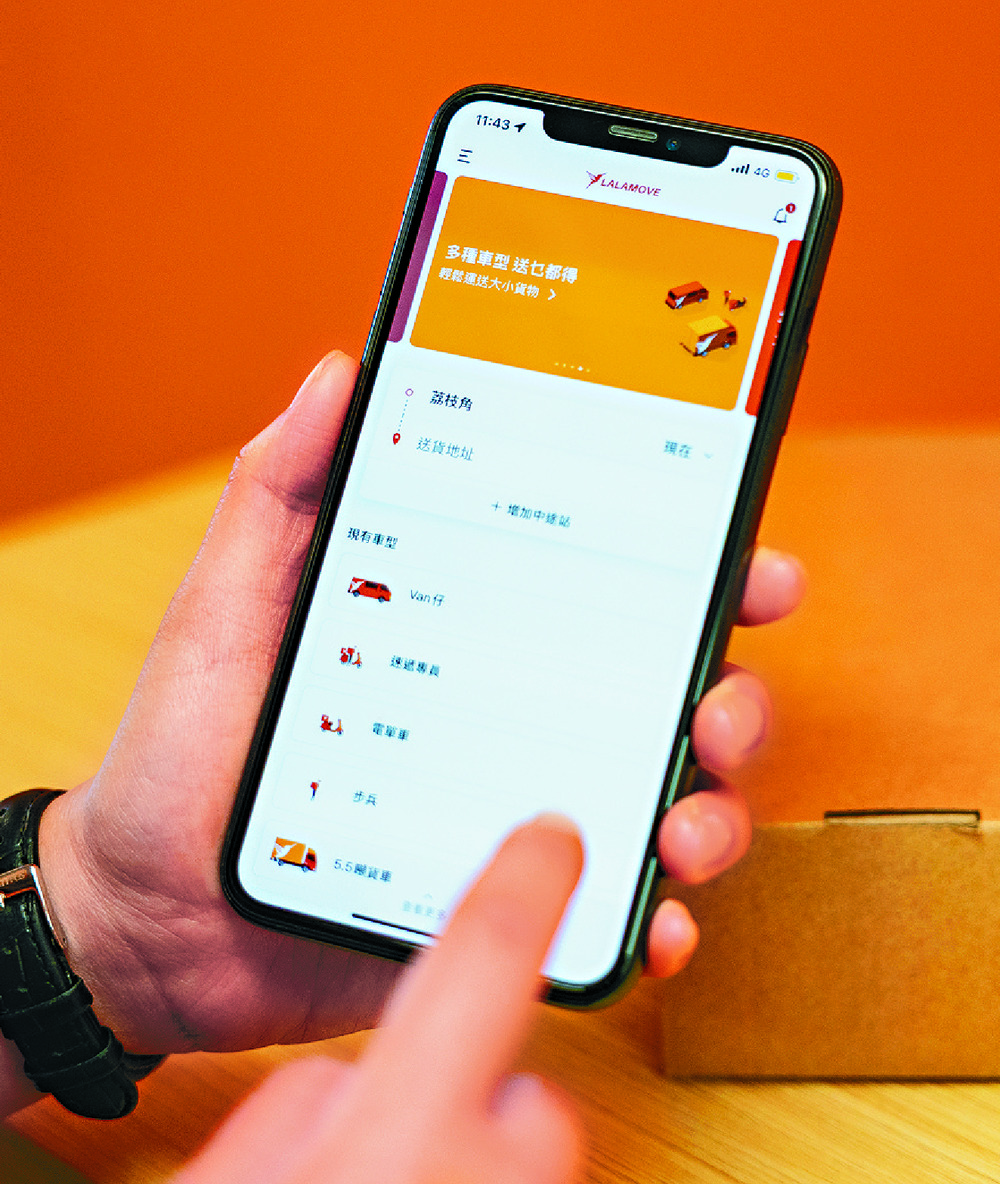
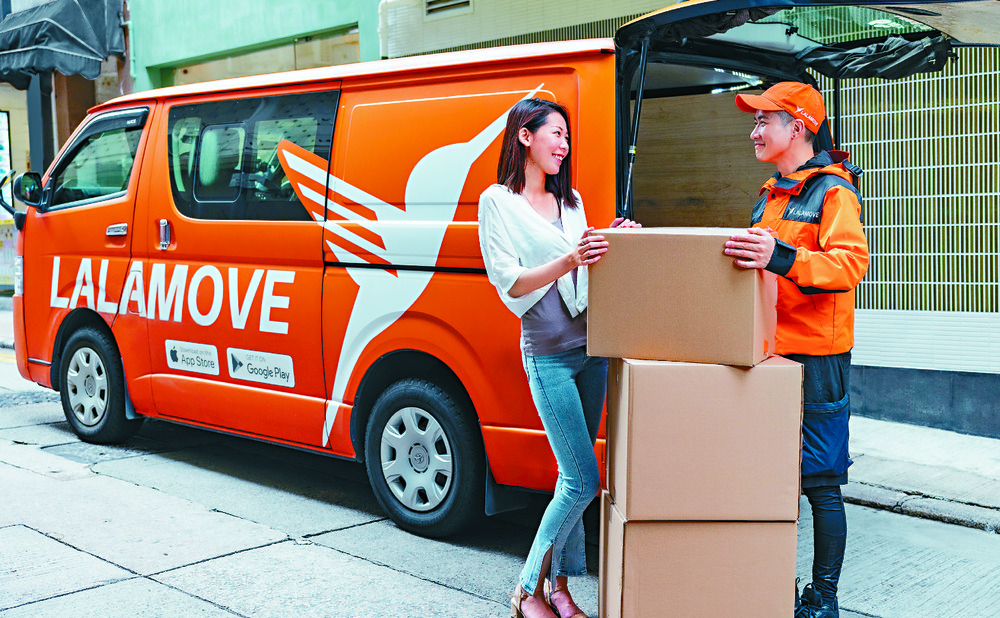
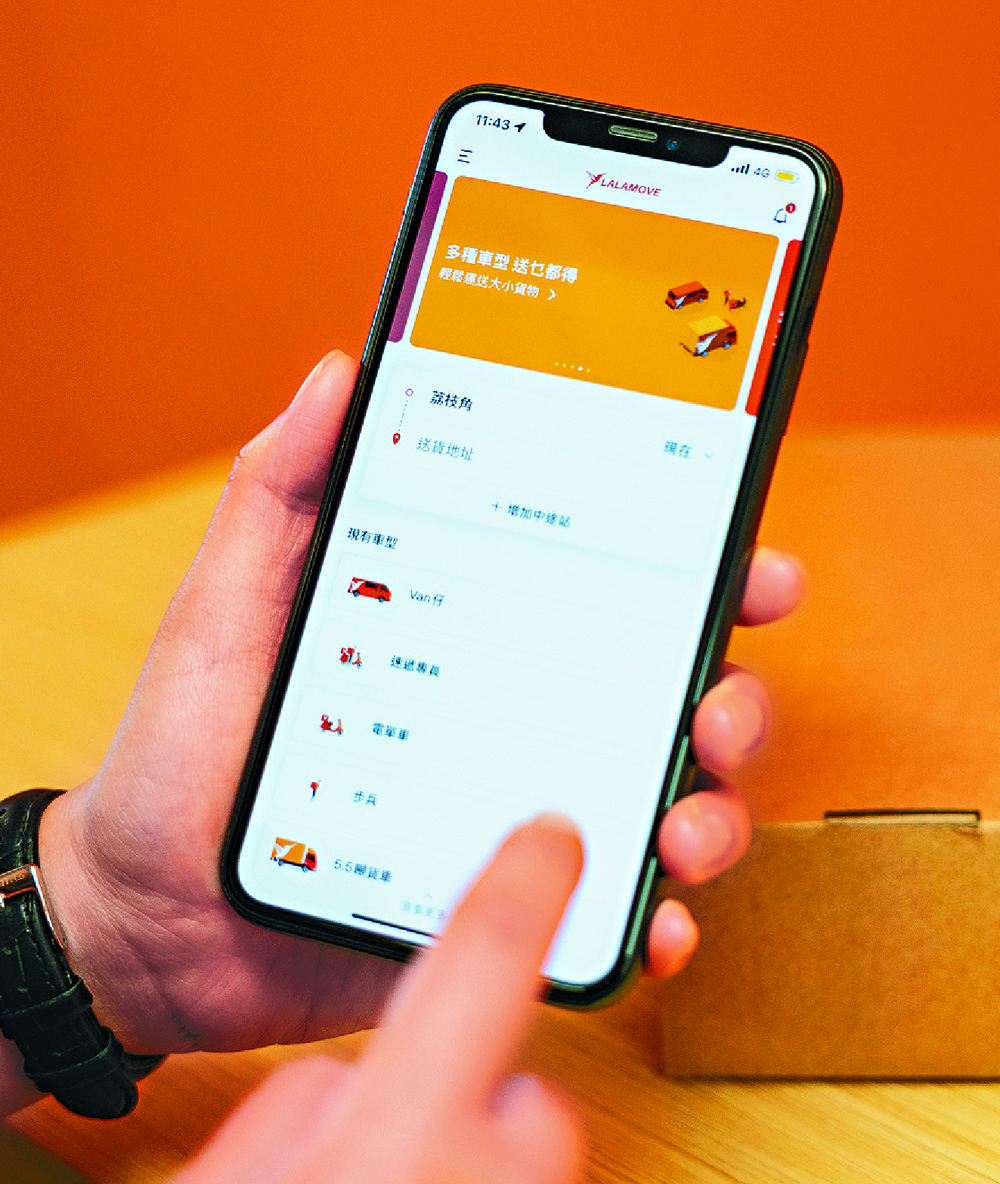
ON DEMAND: The app-based delivery service operates across 11 global markets.