Read More






China's Shenzhen further eases homebuying curbs
29-04-2026 21:26 HKT

Phase 4B of La Montagne releases sales brochure
29-04-2026 18:57 HKT


Phase 2 of Highwood to unveil first price list soon: Henderson
29-04-2026 16:34 HKT

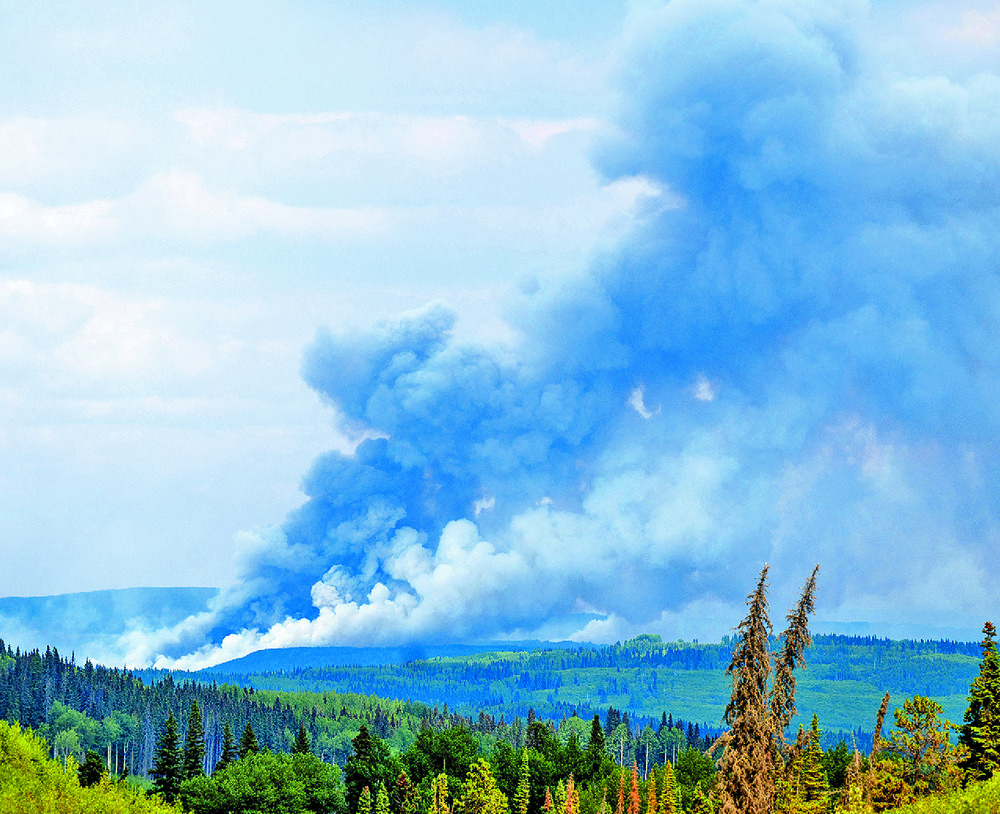
For many parents, the start of the summer holidays is turning into a headache, as thick wildfire smoke forces them to check air quality indexes the same way they might normally check the weather forecast.
Major cities in Eastern Canada have been facing heavy air pollution, meaning vulnerable people - including children - have been advised to stay indoors.
Marion Helies, head of a Montreal summer camp, said children "are bouncing off the walls because we have been inside for several days. Between the smoke and the rain, it's a bit difficult for them."
The number of forest fires continues to rise, climbing at the end of last week to more than 670 - 380 of them out of control - with a long and difficult summer ahead.
"The numbers are literally off the charts, with at least three more months left in the active wildfire season," said Michael Norton of the Canadian Ministry of Natural Resources.
Weather forecasts for the coming weeks predict above-average temperatures in many parts of the west and northern Quebec, the worst-hit region.
With nine million hectares already gone up in smoke - 11 times the average for the last decade - the annual record set in 1989 has been surpassed.
The air quality index has been oscillating between "harmful" and "very harmful."
For the second time in just days last week Montreal had been forced to close sports fields and outdoor pools due to the smoke, whose smell lingered in the streets despite the closest fires being more than 600 kilometers away.
After several days of being stuck at home, Marin Vicck, 14, finally went out: "The air quality is terrible, to the point where it's difficult to walk around because of the smoke. You feel trapped," he said.
Kedjar Boudjema, whose son is four, said he now consults his app on air quality every day.
"I'm worried about his health," he said of his son. "But at the same time it's complicated not to go out with him at all."
In the capital Ottawa, where visibility was also very poor, Janet Hamill opted to take her two grandchildren, ages two and 11, out for ice cream early, before the smoke became too much.
"I'm taking them out early in the day and will get them back home before it gets really bad. The smoke has been hard on them, and me, so we've been staying indoors mostly," she said, adding that they have all suffered bad headaches.
There could be many more days like these throughout the summer - authorities have warned that Canada's peak wildfire season is only just beginning, after an early start.
In a country where 10 percent of people suffer from asthma, many are worried about the long-term consequences of this exposure to toxic smoke. Calls to Asthma Canada, a nonprofit that funds education and research on the respiratory disease, have almost doubled since the fires started in early May.
People "especially want to know what they can do to protect themselves,"head Jeff Beach said.
Canada, which is warming faster than the rest of the planet due to its geographical location, has been confronted in recent years with extreme weather events whose intensity and frequency have been exacerbated by climate change.