Read More
With 18 Unesco World Heritage sites, including the Acropolis facing a new push for tourism, experts are calling for a "fine balance" to be struck between protecting Greece's great ancient monuments and further development.
ADVERTISEMENT
SCROLL TO CONTINUE WITH CONTENT
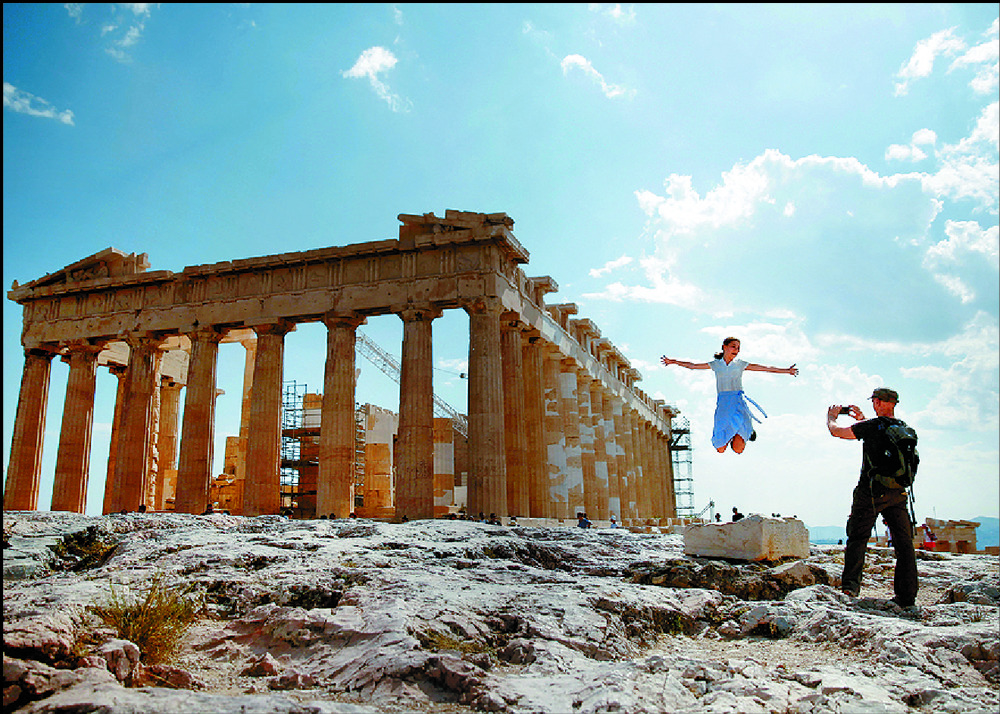
More than half of Greece's World Heritage sites date from Antiquity, such as the Parthenon in Athens, the Temple of Apollo, Olympia and the sanctuary of Delphi.
But Byzantine and Middle Age sites are also on the Unesco list, including the Cave of the Apocalypse on Patmos, the mediaeval city of Rhodes and Mount Athos, the monastic enclave that bans women.
They all have "reinforced protection," culture minister Lina Mendoni said. "Obviously the already high number of visitors has increased," she added.
The world heritage sites enjoy a privileged position compared with other monuments, although they too come under strict legislative protection.
The Unesco sites "easily attract funding for their conservation," said Antonia Zervaki, assistant professor of international relations at Athens University.
In August at the height of the summer season, Mendoni and tourism minister Vassilis Kikilias boasted the Acropolis was seeing 16,000 tourists a day, far more than the previous year.
The first nine months of 2022 saw foreign tourist arrivals more than double over the previous year. That sparked debate about the threat of over-tourism.
Turning a page on the economic crisis of the last decade and the Covid pandemic, Athens has put tourism development as the main economic driver and top of its priorities, a decision criticized by experts.
"The crisis exacerbated the decline of the scientific model ... to the benefit of growth, which is now more of a priority than ever," said Yannis Theocharis, an archaeologist at the culture ministry.
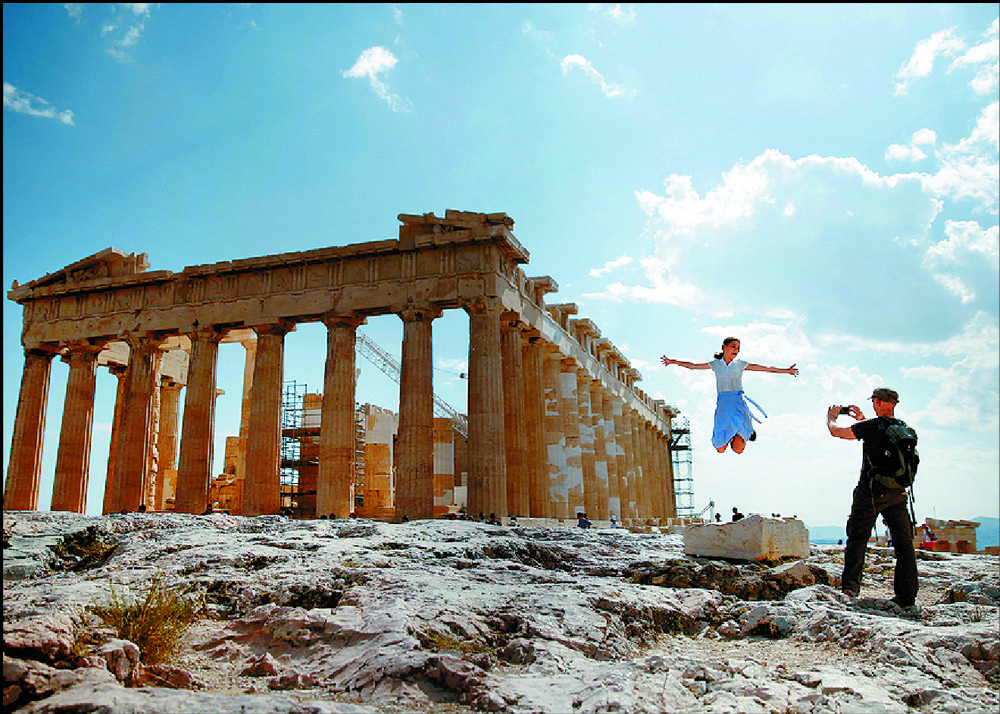
Tourists make sure they remember their time at the Parthenon temple atop Acropolis hill. REUTERS