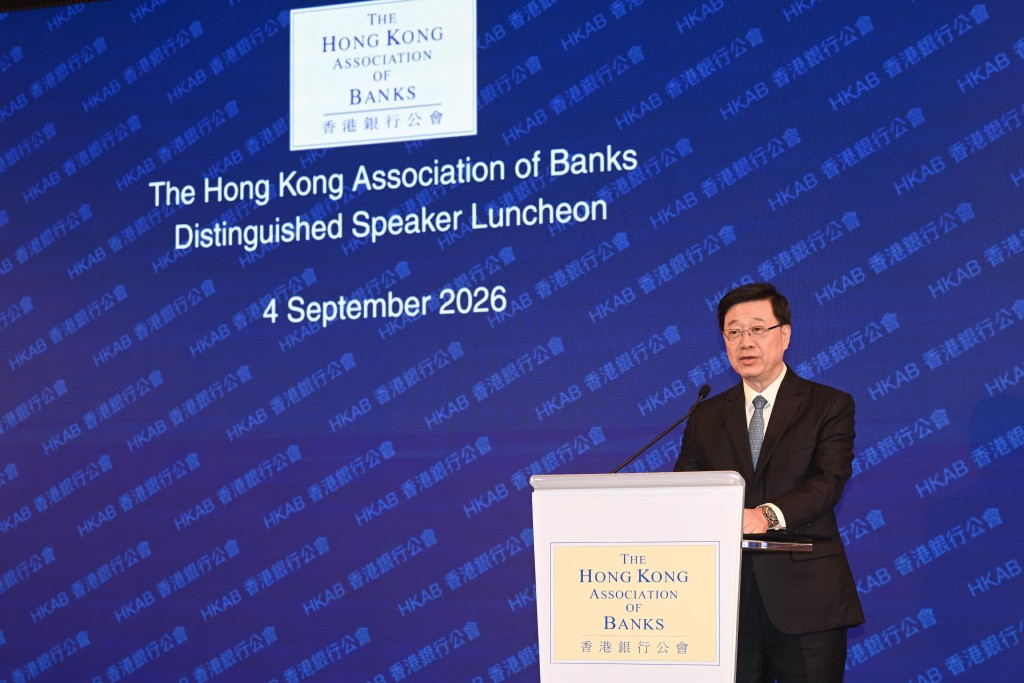
The SAR government is expected to launch a public consultation on Hong Kong’s first five-year development plan later this month, after lawmakers submitted a research report to Chief Executive John Lee Ka-chiu outlining their recommendations for the city’s long-term blueprint.
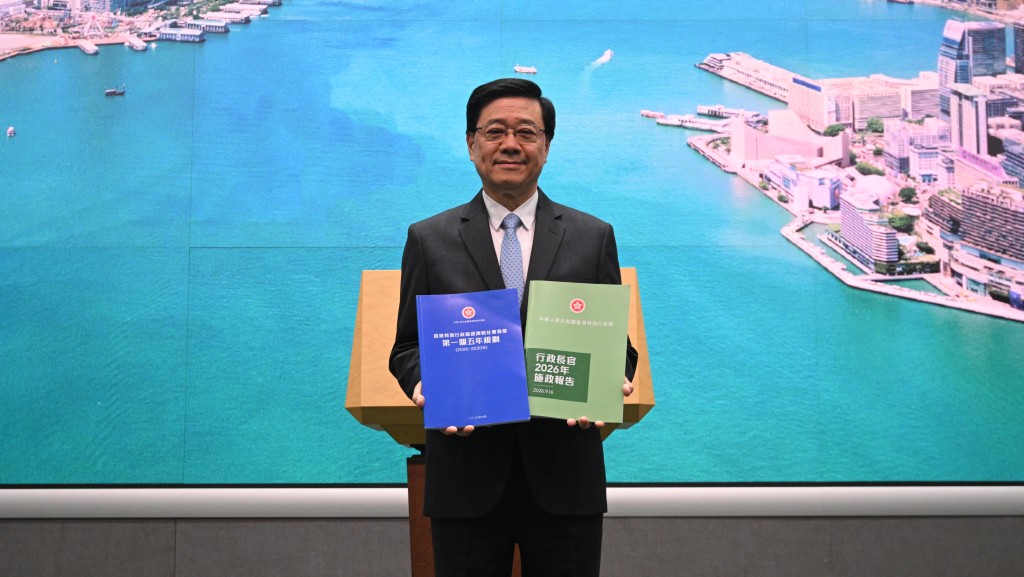
The plan, expected to be released by the end of the year, is intended to set out Hong Kong’s development direction and align the city more closely with national development priorities. Lee earlier received a briefing from Legislative Council members on research conducted and views gathered in relation to the plan.
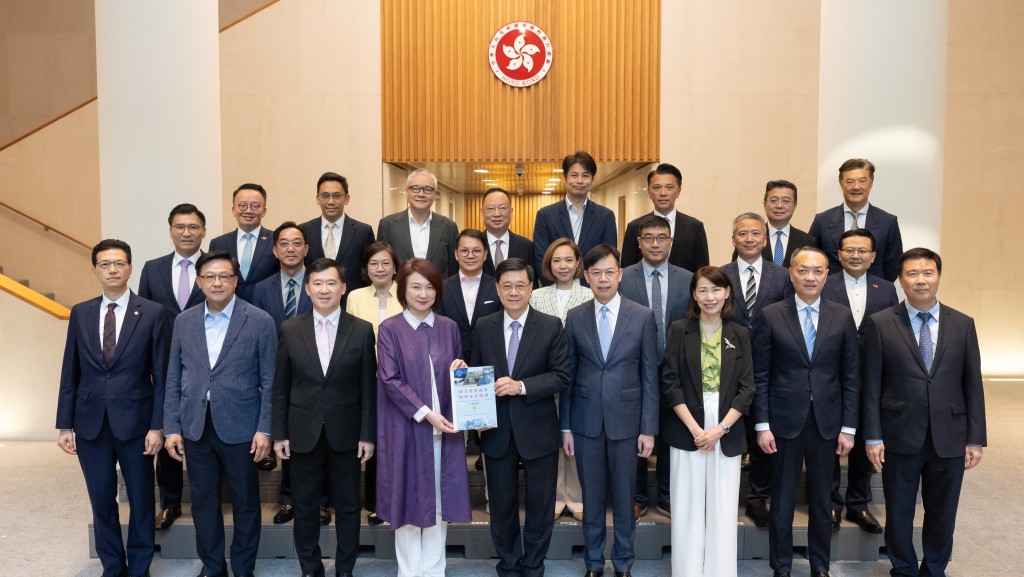
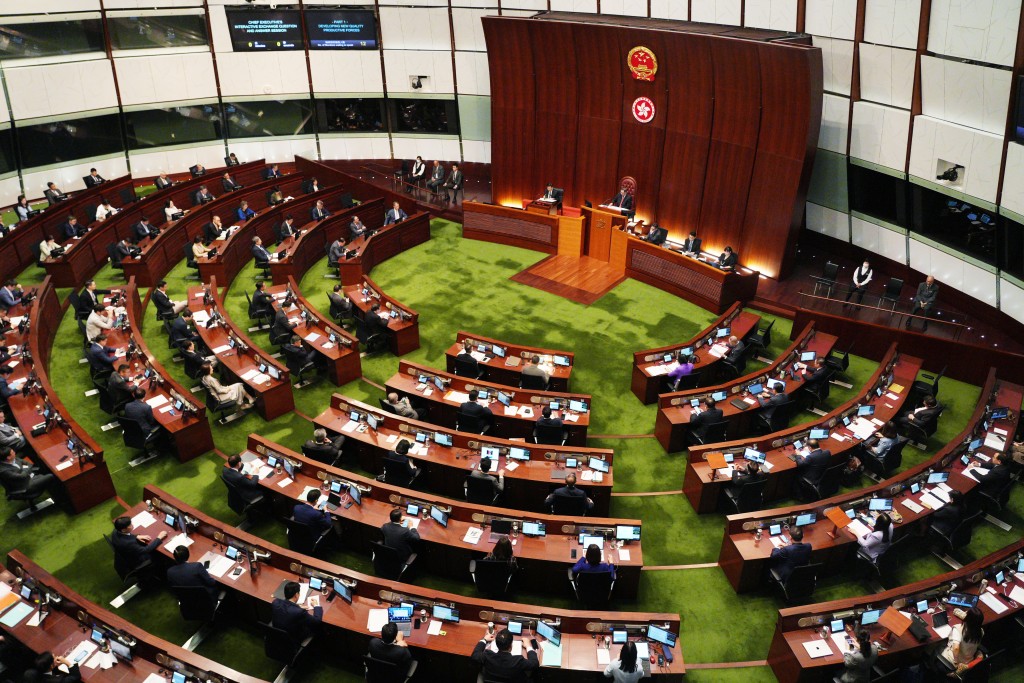
The Legislative Council report, titled “Assisting the HKSAR Government in Formulating the Five-Year Plan,” was handed to Lee by LegCo President Starry Lee Wai-king and about 20 lawmakers. It was compiled by six working groups covering areas including finance, innovation, housing and social welfare.
The report consolidates views from different sectors but has not been made public. Officials are expected to draw reference from its recommendations as the government prepares the consultation exercise.
Lee welcomed the report and said he would need time to study it carefully before responding to specific proposals. He also commended lawmakers for their work, joking that after rushing to complete the report, they might now better understand how hard the government usually works.
The Chief Executive said Hong Kong’s five-year plan would not simply be a compilation of five Policy Addresses, but would serve a distinct strategic purpose. He said he hoped the public would better understand the significance of the blueprint once the consultation begins.
While the government is preparing to consult the public, sources said the administration already has a draft framework and will use the legislature’s report to supplement it. Lawmakers are expected to provide further input during the public consultation stage, with issues such as urban renewal, long-term population planning and elderly care likely to be discussed.
The plan is seen as a new mechanism for coordination between the executive and legislature. However, some lawmakers have privately raised concerns that certain officials rarely engage them before rolling out policies, especially on sensitive livelihood issues, while still expecting their support afterward.
Others have expressed concern that officials often urge the chamber to present a united front when facing criticism, raising questions over whether the administration is extending its influence too far.
Despite occasional friction, both sides have stressed the importance of institutional cooperation. Lee earlier said officials and lawmakers naturally view social issues from different angles, and urged mutual respect to ensure smoother governance and greater public benefit.