From Dutch creativity to Hong Kong's vibrancy, a new partnership is taking shape – one built on green foundations.
ADVERTISEMENT
SCROLL TO CONTINUE WITH CONTENT
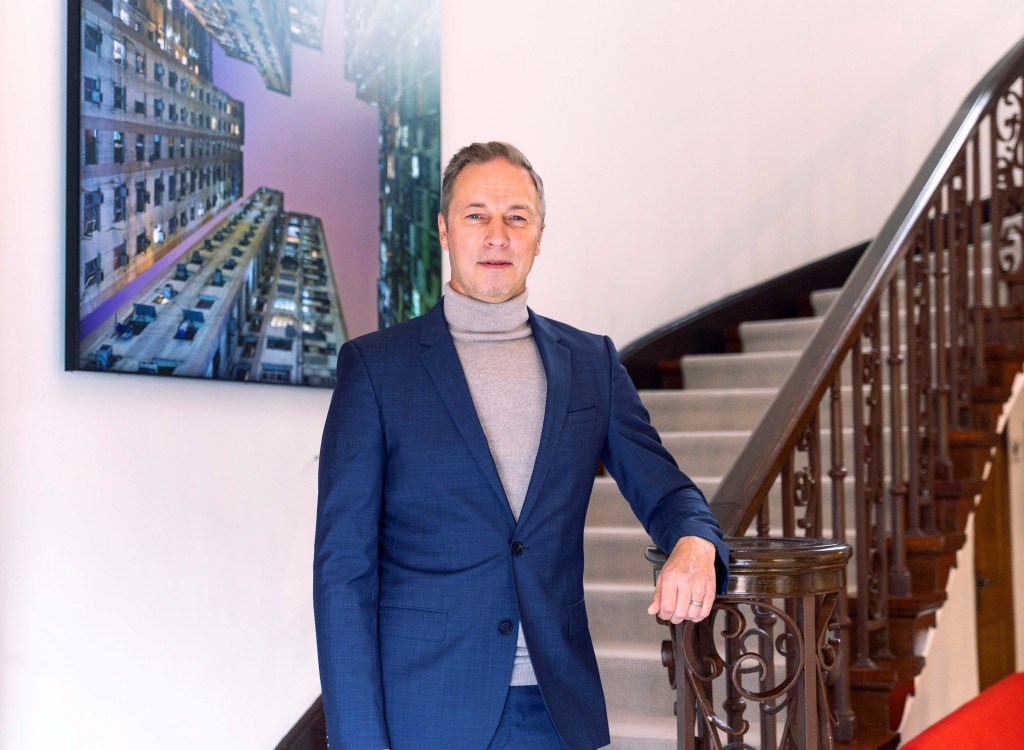
In an exclusive interview, Maurits ter Kuile, consul general of the Netherlands in Hong Kong and Macau, outlined a collaborative vision extending from sustainable buildings to the circular economy, transforming shared climate challenges into tangible business and innovation opportunities.
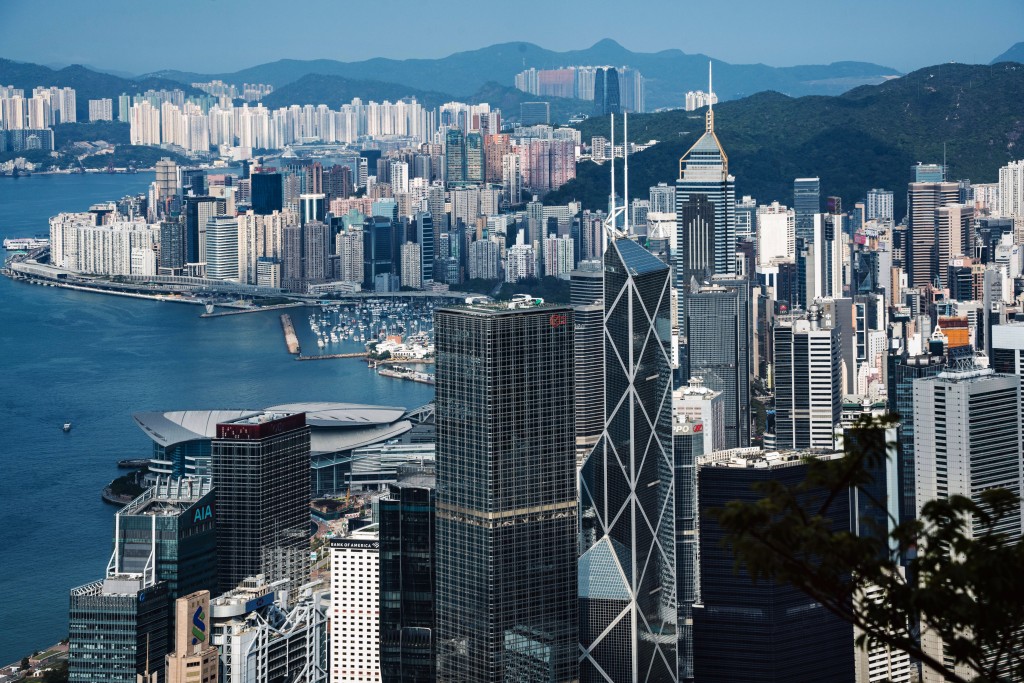
On ter Kuile's first visit as a tourist to the city 20 years ago, the skyscrapers dominated his impression of this bustling metropolis. However, working and living here unveiled a surprising side to the city – its lush greenery, offering a rare balance between nature and urban life.
"It feels like there's a breath of oxygen coming into the city," ter Kuile said.
Yet, beneath this green facade, both the Netherlands and Hong Kong face a stark reality as low-lying coastal regions: rising sea levels. Ter Kuile noted that tackling this climate challenge requires bilateral cooperation and mutual learning.
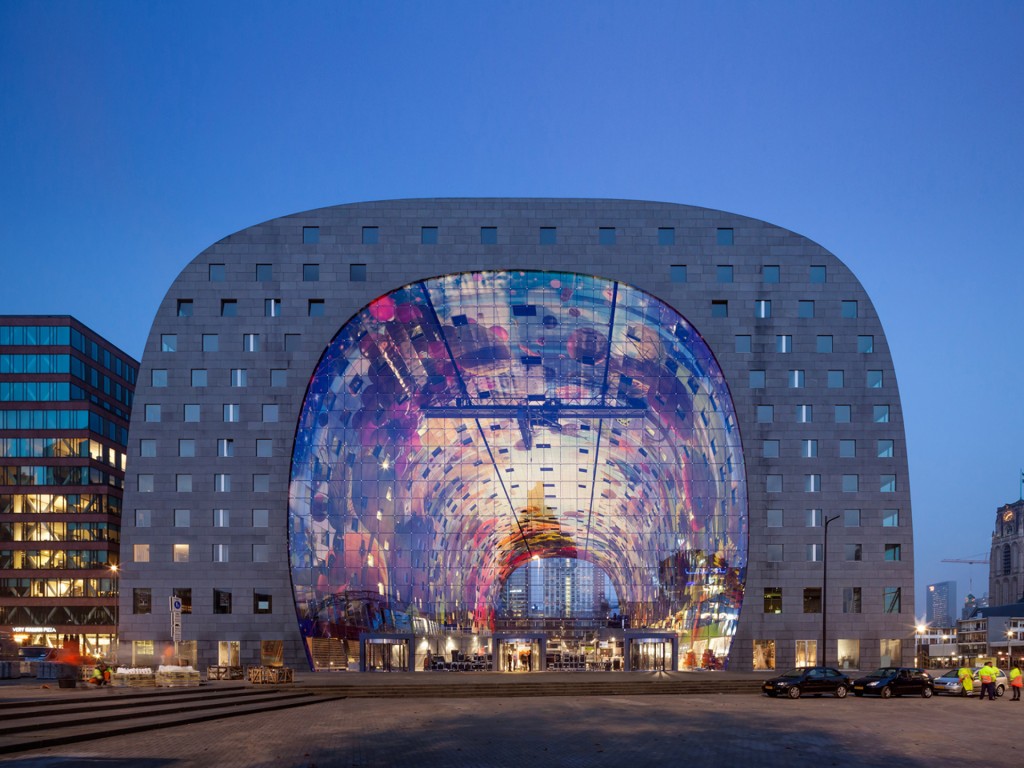
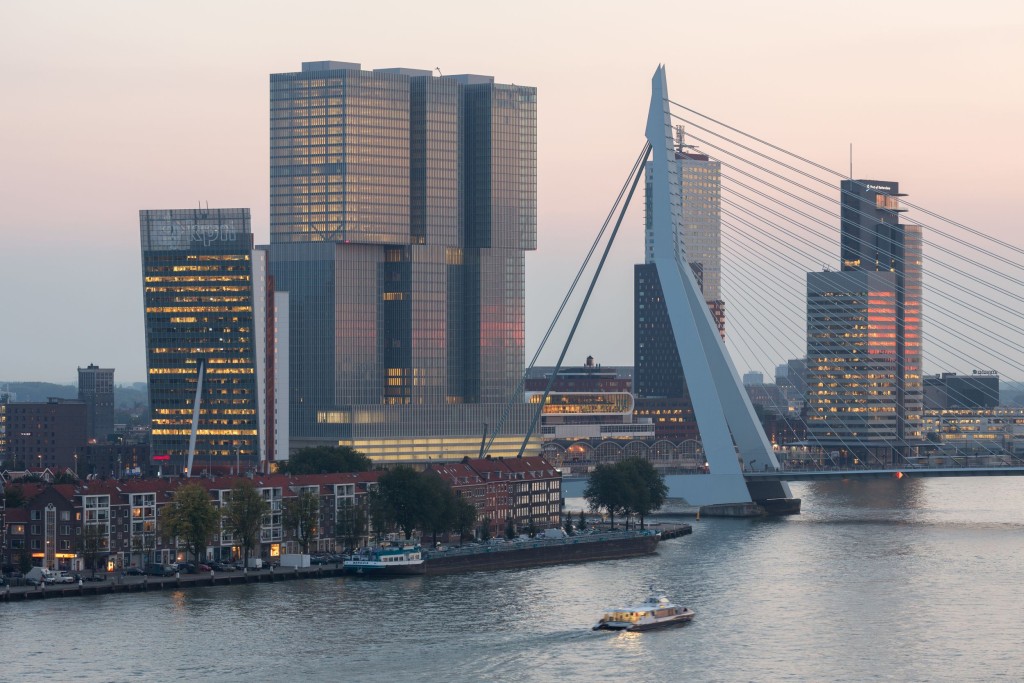
Sustainable building is one of the key focuses, backed by Dutch architectural expertise, which is reflected in Rotterdam, renowned as the center of architectural experimentation, with seminal works such as MVRDV's colossal Markthal and OMA's towering De Rotterdam.
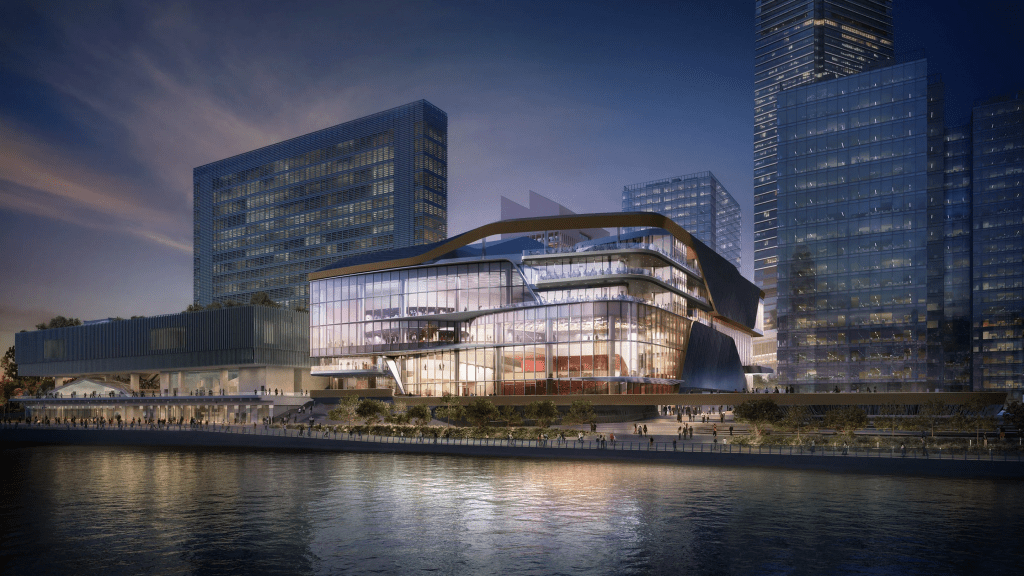
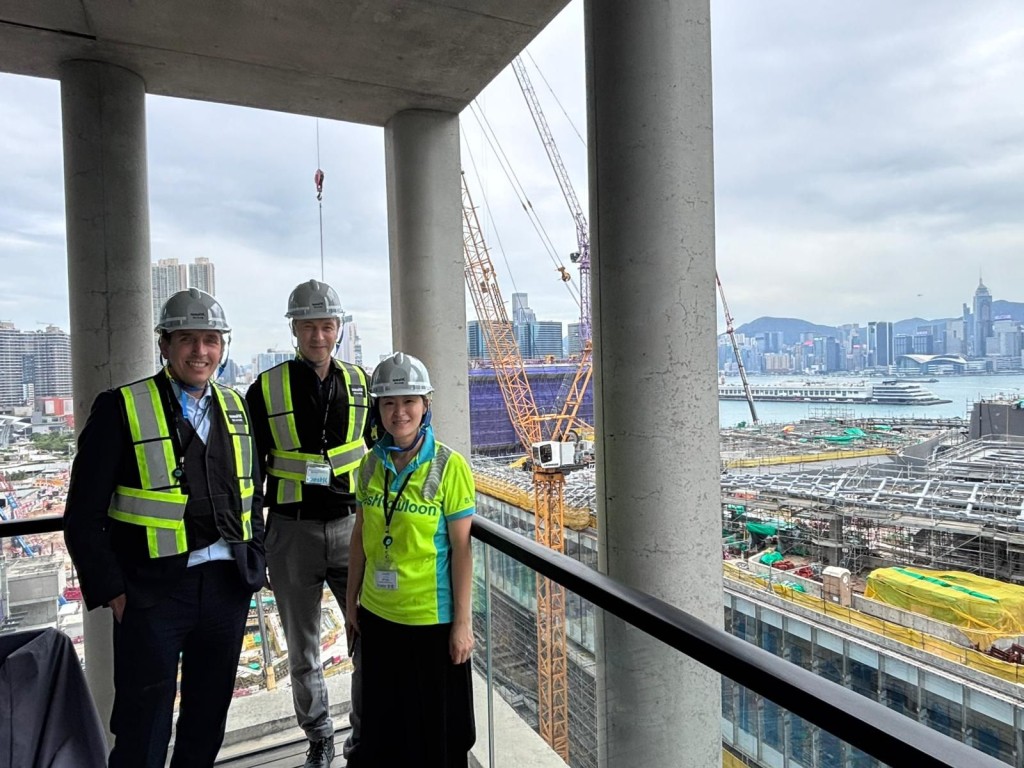
This collaboration is exemplified by the Lyric Theatre Complex in the West Kowloon Cultural District, designed by UNStudio with a presence in Hong Kong.
The Dutch architectural practice, co-founded by well-known architect Ben van Berkel, innovatively sits the 41,000-square-meter venue on almost 650 giant springs to shield it from noise pollution, translating Dutch sustainable engineering into local solutions.
Under Dutch government funding, a batch of Dutch companies has visited the Northern Metropolis project in Hong Kong, as well as other cities in China. Ter Kuile emphasized the Netherlands' potential to contribute expertise in sustainable building to these developments, in areas such as material usage.
Beyond construction, he pointed to Dutch strengths in water management and mobility, such as insights into cycling infrastructure planning, which could further support the development of the Northern Metropolis.
+1
As a global frontrunner in the circular economy, the Netherlands also turns its eco-innovative theory into economic value in the city.
Ter Kuile exemplified that a green startup called Waste Wise, co-founded by Dutch entrepreneur Martijn Ros, showcased the waste-to-resource innovation at Clockenflap music and arts festival. It collected all compostable waste from food vendors and transformed it into nutrient-rich soil amendments for local farms.
The Netherlands is also championing sustainable aviation fuel – produced from sources like cooking oil or agricultural waste, with the world's largest producer Neste setting up in Rotterdam.
He noted that Air France-KLM Martinair Cargo celebrated its 14 SAF contracts in Greater China at his residence last year, underscoring a shared commitment to scaling up SAF use.
Home to around 4,000 Dutch citizens, Hong Kong is seeing growing interest from the Netherlands, with approximately 170 Dutch companies already established in sectors such as finance, logistics, and hospitality, he said.
Beyond serving as a gateway to China and the world, Hong Kong offers key advantages, including low taxes, the US dollar peg, a rich talent pool, the common law system, and strong local government support, he noted.
On recent geopolitical events, ter Kuile acknowledged that the Nexperia case has affected relations between the Netherlands and mainland China. However, he believes it has not diminished Dutch business confidence here, noting that "people in Hong Kong love to separate business and politics."
"There will always be differences of opinion," he said, adding that what matters is maintaining open communication and using legal channels to resolve disputes.
Miffy, Labubu, Van Gogh: a myriad of Dutch, HK artistic ties
Dutch culture has long been welcomed in Hong Kong, with exciting exchanges bringing fresh art to the city this year, said Maurits ter Kuile.
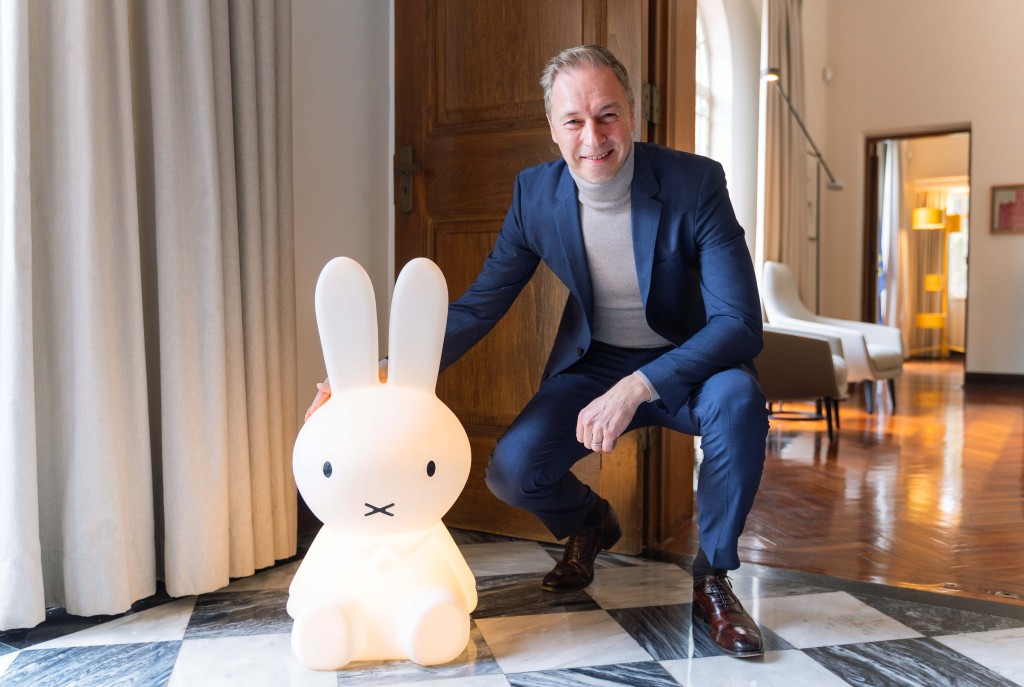
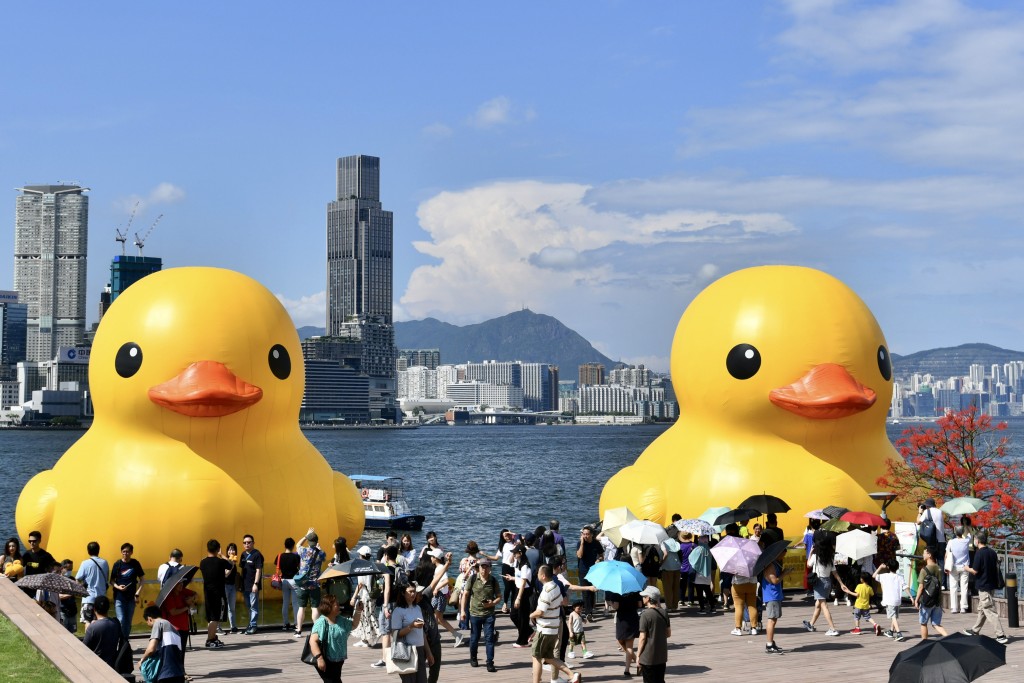
Beyond well-known Dutch creatures like Miffy, as well as the Rubber Duck designed by Dutch artist Florentijn Hofman, the toothy yet charming character Labubu stands as a unique symbol of the cultural exchange between Hong Kong and the Netherlands.
The Rubber Duck at Victoria Harbour.
The creative mind behind this global Labubu frenzy, Kasing Lung, was born in Hong Kong but raised in the Netherlands, where he became fascinated with Nordic folklore – the inspiration behind this ugly-cute monster.
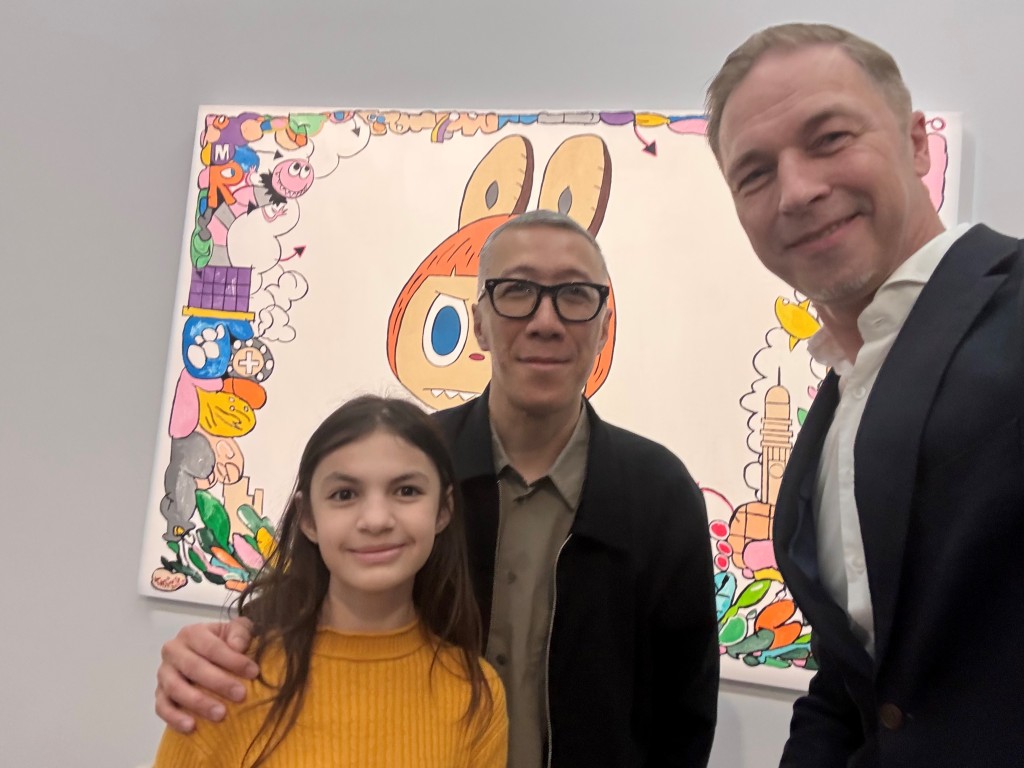
Ter Kuile's 13-year-old daughter is a big fan of Labubu. When the family visited the city's "THE MONSTERS Series 10th Anniversary Exhibition" last year, they met Lung and enjoyed a warm conversation in Dutch.
Ter Kuile, right, and his daughter, meet with Kasing Lung
The Netherlands has also nurtured artistic legends like Vincent van Gogh and Rembrandt. Now the heirs to this legacy bring a unique perspective to the city, as illustrated by Reinier Landwehr and Jelmer Konjo, who brought energetic street art to the HKwalls festival.
He noted that the consulate has engaged with organizers of Art Central – which runs next week from March 25 to 29, alongside Art Basel from March 27 to 29 – with plans to introduce Dutch galleries to Hong Kong, while they will collaborate with HKwalls again this year.
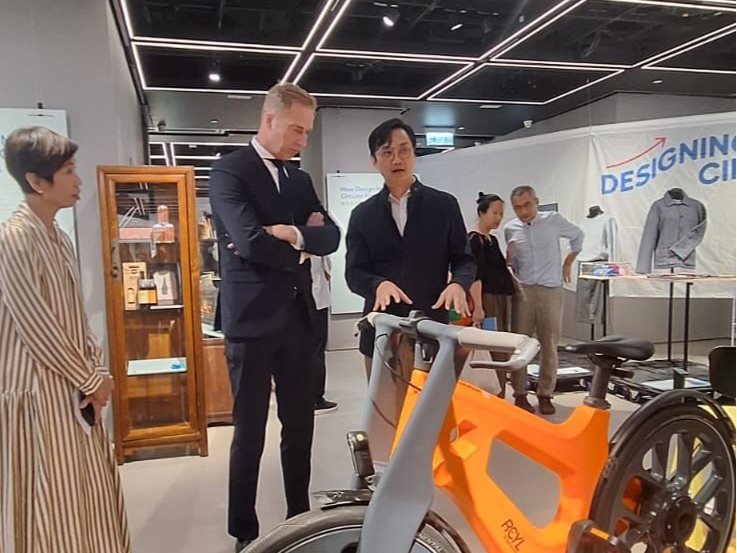
Last year, the consulate showcased inspiring works from both the Netherlands and Hong Kong in the "Designing Circularity" exhibition, demonstrating circular designs related to the built environment, fashion, services, and everyday goods.
Ter Kuile visited the 'Designing Circularity' exhibition.
Ter Kuile also pointed out that Dutch musical influence resonates widely here, citing renowned conductor Jaap van Zweden, who served as music director of the Hong Kong Philharmonic Orchestra for 12 years until 2024.
"There's such a strong interest in Dutch culture in Hong Kong that we try to facilitate and help," he added.
Hong Kong's urban and natural beauty through Dutch eyes
Having lived here for a year and a half, Maurits ter Kuile has immersed himself in the city's energetic pace of life.
This is not his first time residing in Asia: since embarking on his diplomatic career in 1997, he served as Second Secretary at the Embassy of the Netherlands in Manila, the Philippines, from 2000 to 2003, during which he also visited Hong Kong twice.
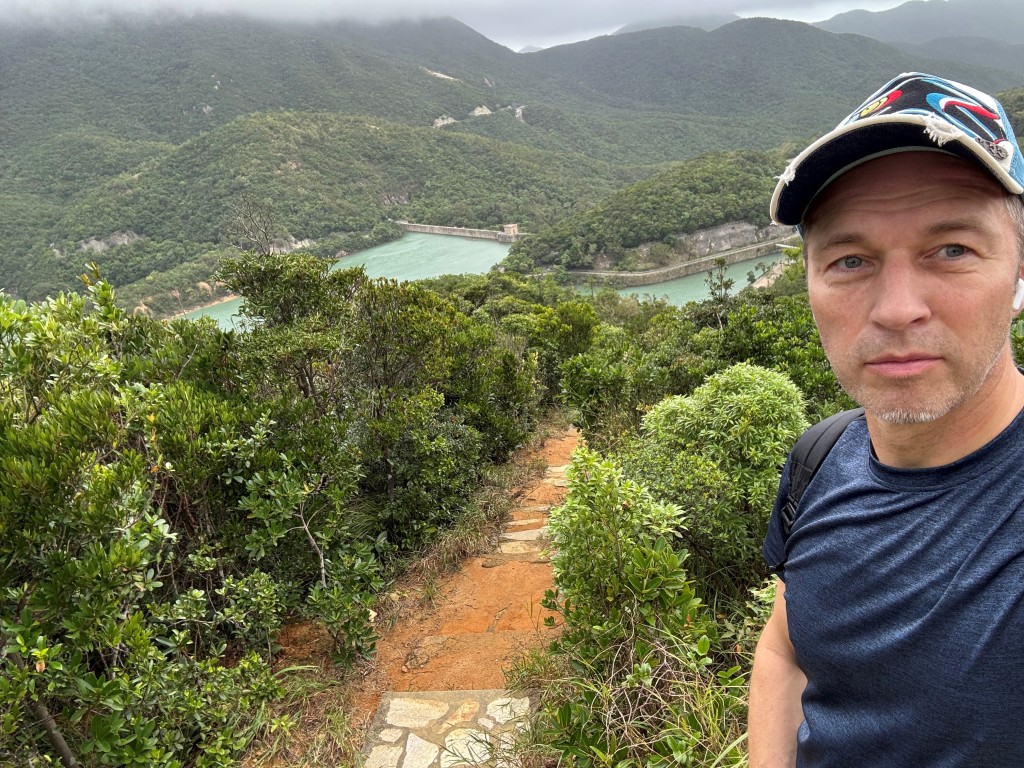
Ter Kuile often goes hiking on Hong Kong Island and the surrounding small islands, enjoying the natural atmosphere within the modern metropolis.
Ter Kuile enjoys hiking in Hong Kong.
His praised the city's iconic landscapes, noting that he engaged in the circular walk near the Peak Tram for panoramic city views, while boat tours at the UNESCO Global Geopark offered him a unique encounter with the city's waters.
For the evening, Ter Kuile recommends a rooftop bar experience: "The night view from the rooftop bar over Victoria Harbour is something you don't find anywhere else in the world. It's stunning."
This personal appreciation of his appears to be part of a wider trend, as Ter Kuile observed a rise in Dutch tourists heading to Hong Kong, a positive development in his view.
"Seeing the city for themselves allows visitors to truly appreciate its diverse offerings," he said.
As for Hong Kong travelers to the Netherlands, Ter Kuile suggested that the northern islands are perfect for coastal walks familiar to Hongkongers, while the southern cities like Maastricht are rich in culture and cuisines.