Read More











HK movie producer Raymond Wong Pak-ming convicted of insider dealing
22-05-2026 17:10 HKT

Swire Properties wins compulsory auction for $2.02b Quarry Bay property
22-05-2026 20:36 HKT


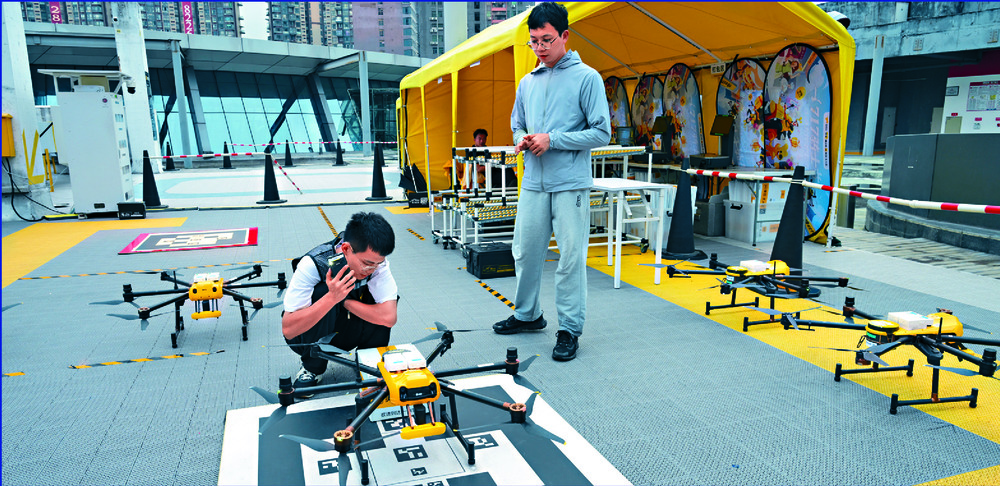
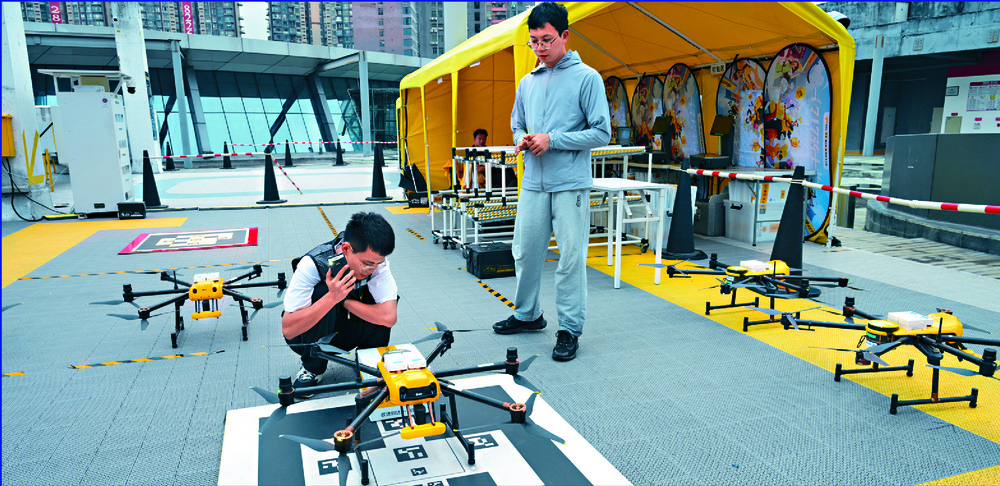
Hong Kong's low-altitude economy is lagging behind, but it has the potential to catch up by learning from the mainland, according to Stephen Wan, director of Net Zero Agriculture.
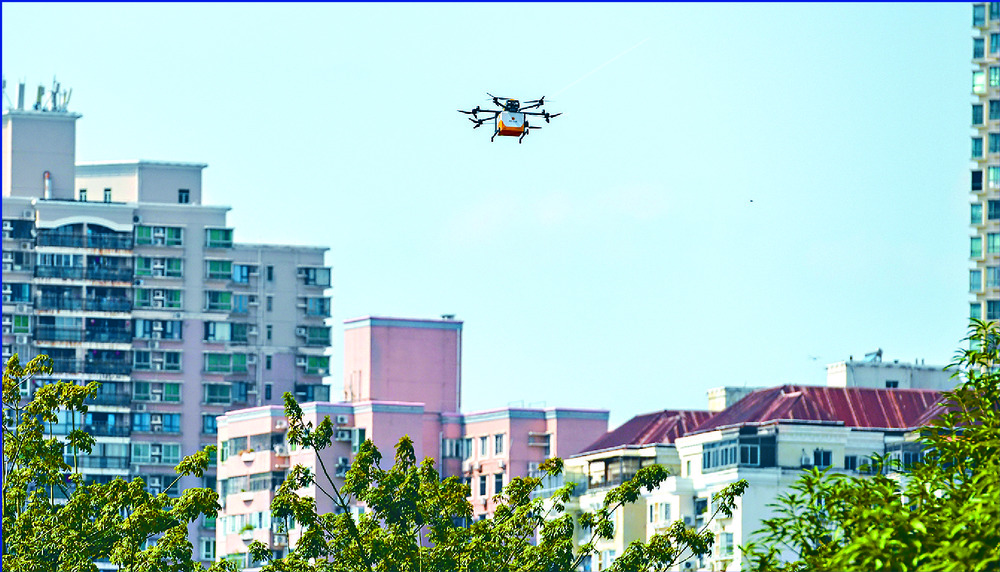
This figure could quadruple to 2 trillion yuan by 2030, driven by rapid growth and widespread civilian applications like drone technology in agriculture, logistics and rescue operations.
For example, Hong Kong still relies on traditional methods, such as using crane lorries to trim tree branches that encroach on neighboring homes, he said.
"By utilizing drones equipped with the right tools, this task can be completed much more efficiently," he said.Currently, Hong Kong designates its low-altitude airspace at 300 feet or below, significantly lower than the 1,000 or 3,000 meters permitted in some other regions.
In the latest policy address, the government announced the establishment of a working group to develop low-altitude economies and formulate strategic plans.Also, it plans to amend the civil aviation law governing drones over 25 kilograms, with proposals set to be tabled in the Legislative Council by the first half of next year.
In response to the government's call to action, some universities, including the University of Hong Kong and Polytechnic University, are launching master's programs in low-altitude economics starting September next year. "This is a positive step, but the mainland has been exploring this field for two decades," Wan said.He added that in the mainland, drone operators conducting short-distance operations must complete 25 days of training and pass a licensing exam, with long-distance operations requiring 28 days of training.
In contrast, drone operators in Hong Kong currently receive only five days of training.Wan suggested that Hong Kong should align its standards with those of the mainland, noting the importance of well-trained drone operators for fostering a robust low-altitude economy.
Wan also proposed a ratio of one operator for every four drones, saying this level of operational efficiency could enhance Hong Kong's competitiveness.