Read More
















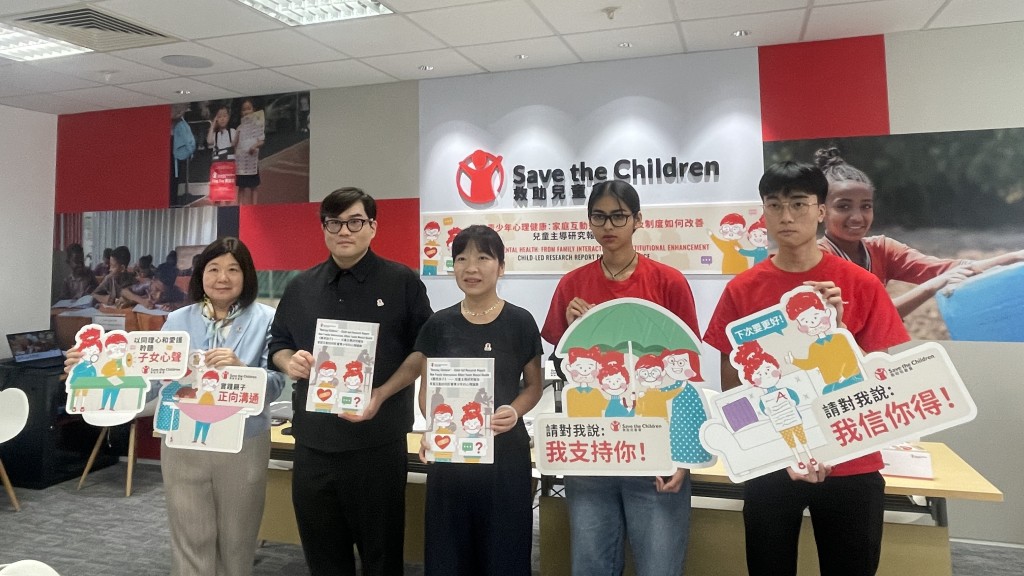
The words and actions of parents play a critical role in shaping their children's development, yet a recent study in Hong Kong reveals that over half of local teenagers suffer from low self-esteem and physical distress due to disparaging parental remarks and controlling behaviors.
According to a report released today by Save the Children Hong Kong, many youngsters struggle under the weight of constant comparison and unrealistic expectations of perfection.
The research, which was co-designed by a group of local teenagers alongside academic researchers, polled over 400 youth aged 13 to 18.
The findings show that a significant portion of respondents frequently experience physical and psychological symptoms of anxiety, such as insomnia, stomachaches, and rapid heart rates, when they make mistakes or face difficulties at home.
The study highlights specific verbal and behavioral triggers that deeply hurt local youth.
Teenagers identified comparisons to peers, expressions of disappointment, and rigid, authoritarian phrases as the most damaging remarks they receive from their parents.
Additionally, privacy violations—such as searching through their phones or personal belongings and entering rooms without knocking—alongside parental temper outbursts, were listed as the most offensive parental behaviors.
Conversely, youths expressed a deep desire for simple expressions of validation, support, and trust, noting that words of encouragement, even as simple as acknowledging their effort or wishing for their happiness, can provide a powerful sense of self-worth.
A worrying finding from the survey is that the vast majority of teenagers choose to suffer in silence rather than reach out to adults.
Nearly three-quarters of respondents rarely or never confide in their parents when feeling sad, and an even higher percentage avoid seeking help from teachers or social workers.
The primary barriers to seeking support include a desire to handle problems independently, a belief that adults do not truly understand their challenges, and a fear of becoming a burden.
Notably, nearly one in five youths worry that seeking help will only result in further criticism, misunderstanding, or trouble.
In light of these findings, experts are urging parents to shift away from traditional, highly critical parenting models and instead prioritize empathetic, non-judgmental listening.
Mental health professionals suggest that parents practice emotional self-regulation, allow themselves daily personal downtime to manage stress, and learn to limit their lecturing.
Advocates emphasize that youth need emotional connection and validation rather than constant correction, advising parents to recognize reasonable limits of effort rather than pushing children toward an unattainable standard of perfection.