Read More



Morning Recap - June 24, 2026
2 hours ago



Night Recap - June 23, 2026
11 hours ago



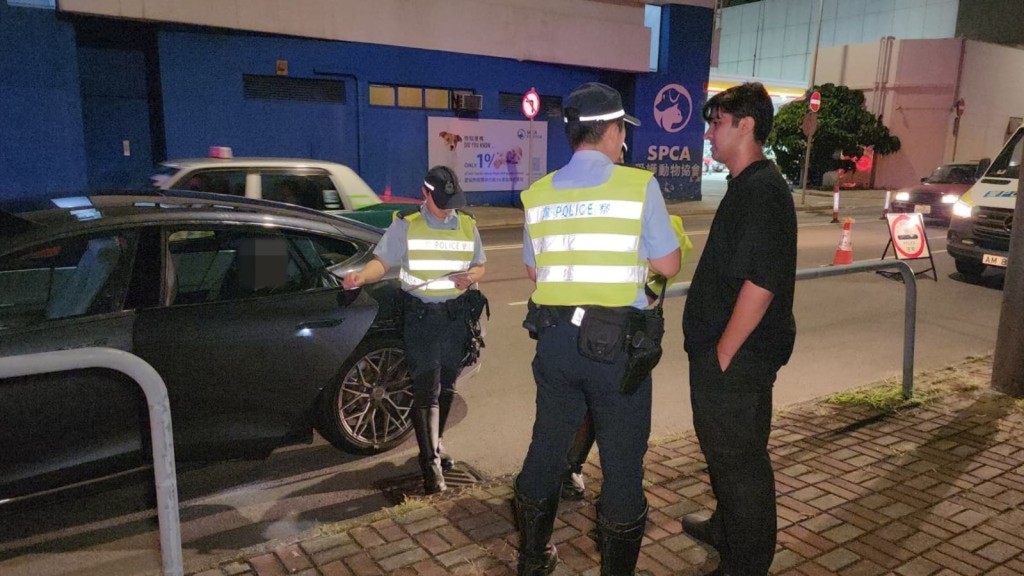
Two arrested after bank staff spot 24 fake $100 bills in Mong Kok
22-06-2026 18:47 HKT
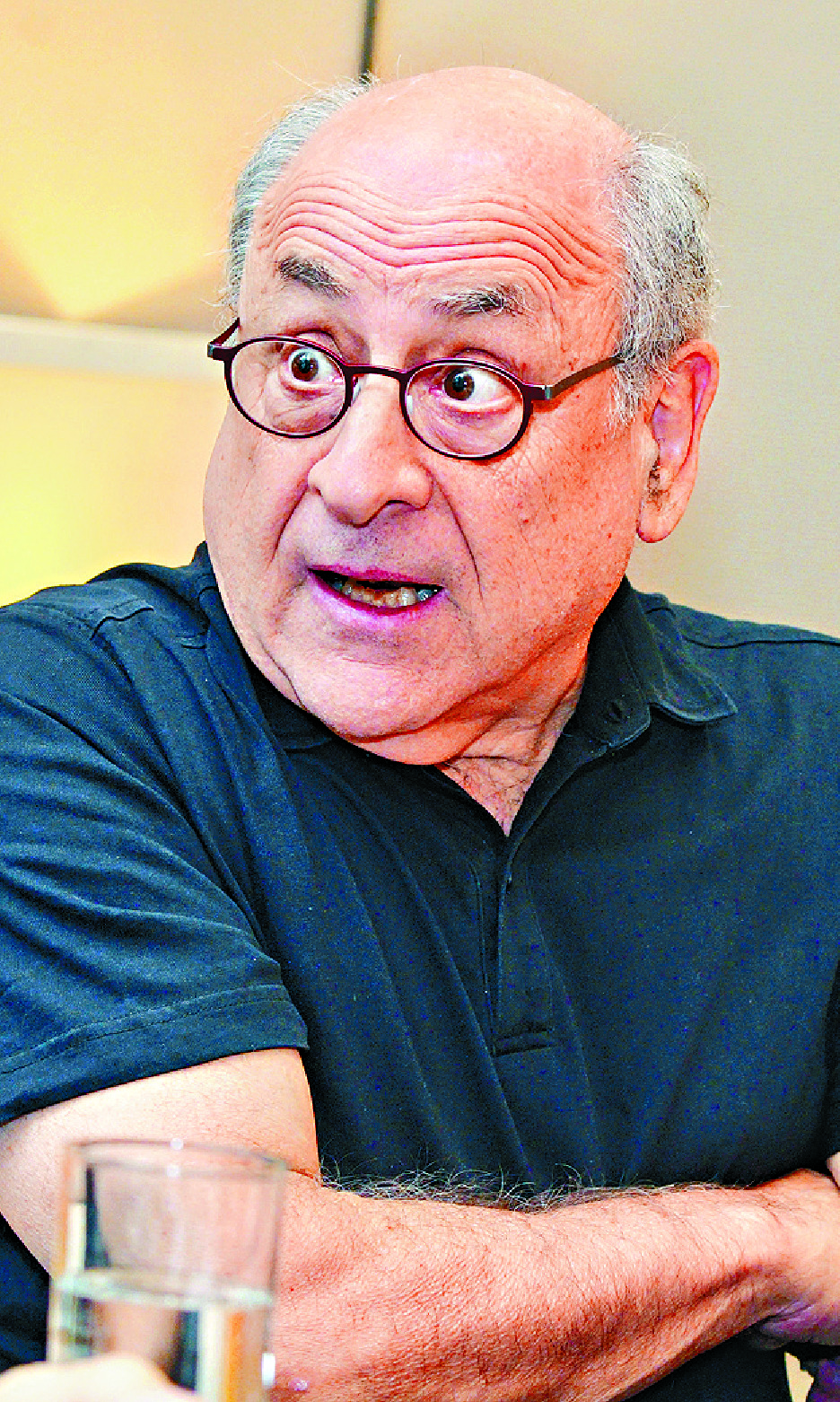
The groundbreaking genome-editing therapy that effectively cured sickle cell anemia and ?-thalassemia has earned Swee Lay Thein and Stuart Orkin the Shaw Prize in Life Science and Medicine this year.
Swee Lay Thein, a senior investigator and chief of the Sickle Cell Branch at the National Heart, Lung and Blood Institute in the United States, said sickle cell disease and ?-thalassemia affect more than 20 million people worldwide.
Thein said sickling of blood cells occurs due to low oxygen levels resulting from an abnormal hemoglobin protein.
"Hemoglobin is the protein responsible for transporting oxygen throughout the body," she said. "Shortly after birth, there is a switch from fetal hemoglobin to adult hemoglobin."She also observed that most genetic variations in fetal hemoglobin production arise from changes in genes that encode components other than hemoglobin itself.
Thein discovered a crucial connection between the BCL11A gene, a key regulator of fetal hemoglobin production, and various blood disorders.Research by Orkin, a Harvard University pediatric professor, complemented Thein's: he identified the BCL11A protein's role as a repressor of the fetal hemoglobin promoter, which is mutated in individuals with hereditary persistence of fetal hemoglobin.
Orkin's studies on mice laid the groundwork for clinical trials employing CRISPR genome editing - technology that modifies DNA within organisms - in patients affected by these diseases.Reflecting on his journey, Orkin acknowledged the numerous challenges he faced but felt "very privileged" to receive the Shaw Prize, saying his work aims to benefit humanity.