Read More
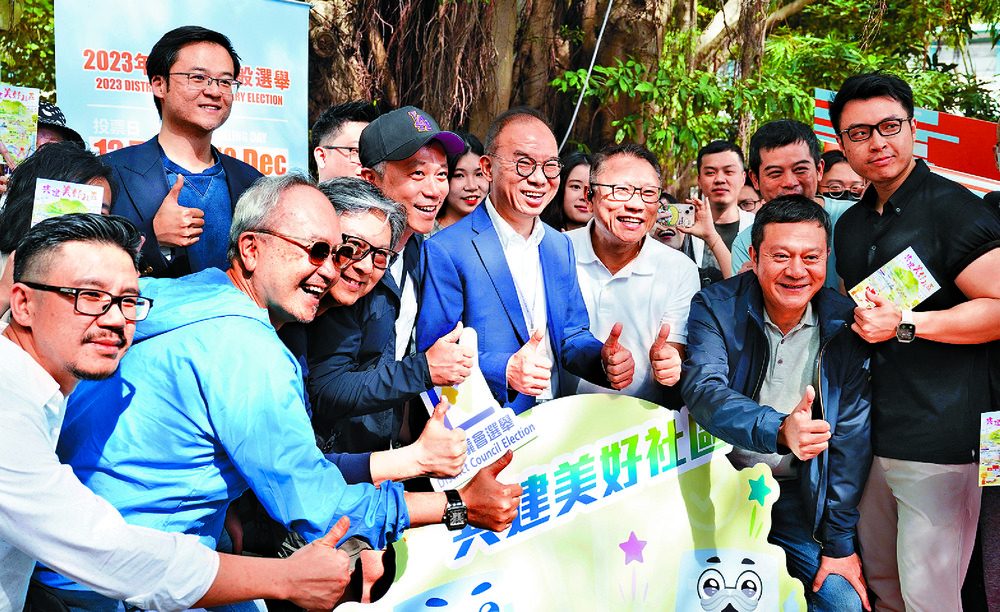
Michael ShumThis follows the introduction of two such stations in Sheung Shui during last year's district council election, where around 13,000 electors were registered to vote and about 9,900 actually did.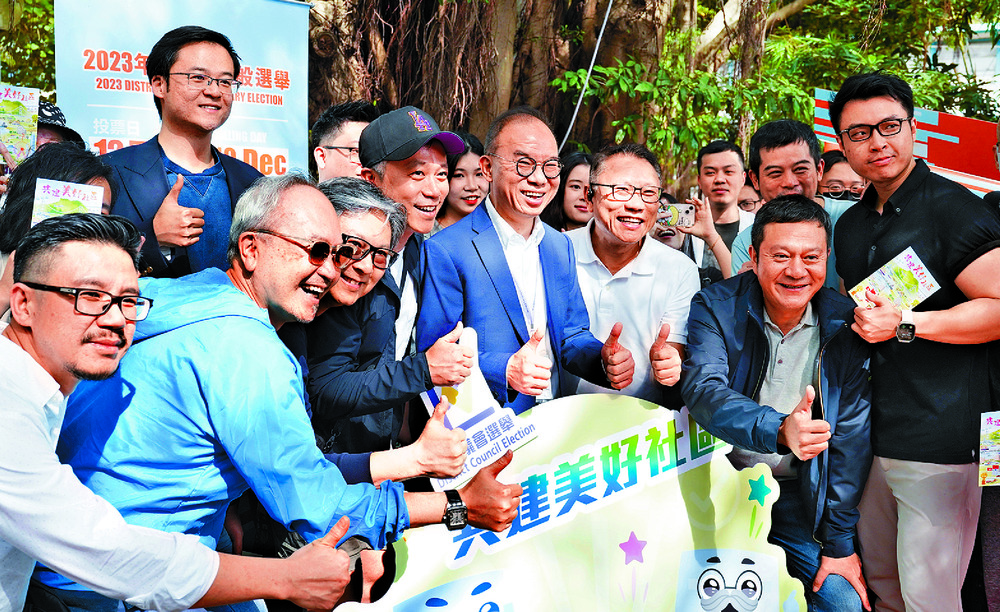
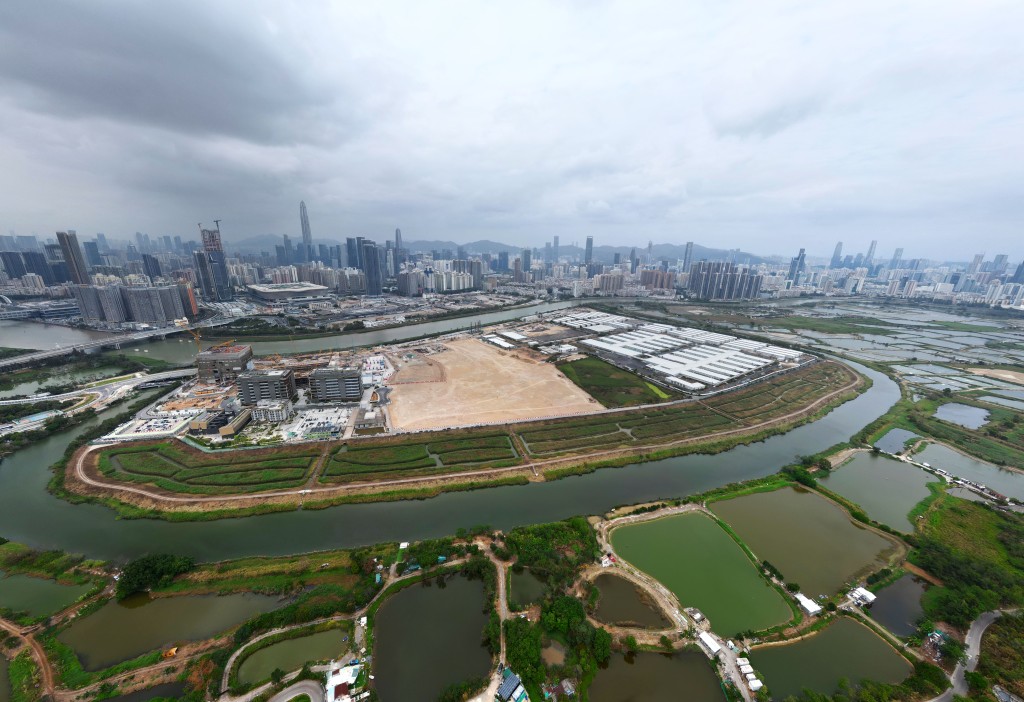
The SAR administration plans to establish additional polling stations near the boundary for next year's Legislative Council elections, said Secretary for Constitutional and Mainland Affairs Erick Tsang Kwok-wai.
ADVERTISEMENT
SCROLL TO CONTINUE WITH CONTENT
A report from the Electoral Affairs Commission said that while these stations generally met voters' needs, the online registration system had design flaws.
Many electors believed they had registered, only to discover otherwise when they arrived to vote.
Tsang said yesterday the authorities are considering expanding the number of polling stations to provide voters with more options for casting their ballots.
"To address voters' needs, we will continue establishing near boundary polling stations and will improve and expand the initiative," he said. "By that time, there might be more polling station choices, and we will assess various sites for their suitability."Tsang also said that there is no need to change the current electoral system, which he believes supports the principle of "patriots administering Hong Kong."
He added: "The current election system aligns with Hong Kong's long-term development and deserves our commitment. I don't see a reason for change."In addition to the near boundary polling stations, authorities will maintain the use of electronic registers of electors and electronic ballot counting systems, according to Tsang.
Reflecting on recent events, he sees a bright future for Hong Kong in the wake of 75th anniversary celebrations of the founding of the People's Republic of China this month."Five years ago, Hong Kong was experiencing chaos, with many extreme actions taking place. Now, we see society celebrating this anniversary, with citizens organizing events and children participating in flag-raising ceremonies seriously. This gives me hope for Hong Kong's bright future," he said.
When asked about "constructive criticism," Tsang defined it as any feasible suggestions aimed at improving the country and Hong Kong, rather than inciting hatred or discord.Erick Tsang, center, at one of the two near boundary polling stations that saw a high turnout during last year's district council election. SING TAO