Read More


Night Recap - August 6, 2026
8 hours ago

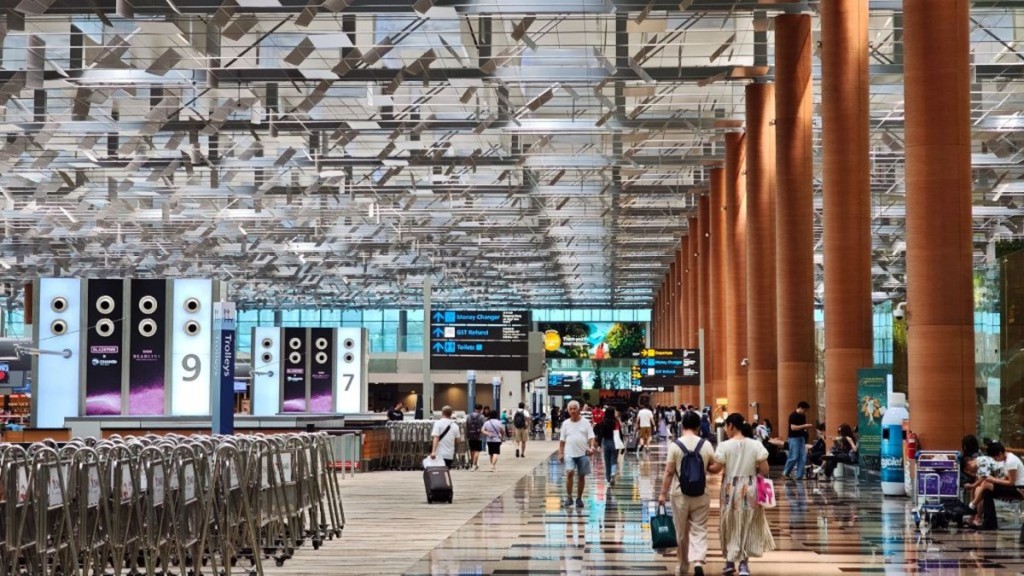
HK mother and son jailed for Changi Airport assault on police and passenger
06-08-2026 01:31 HKT
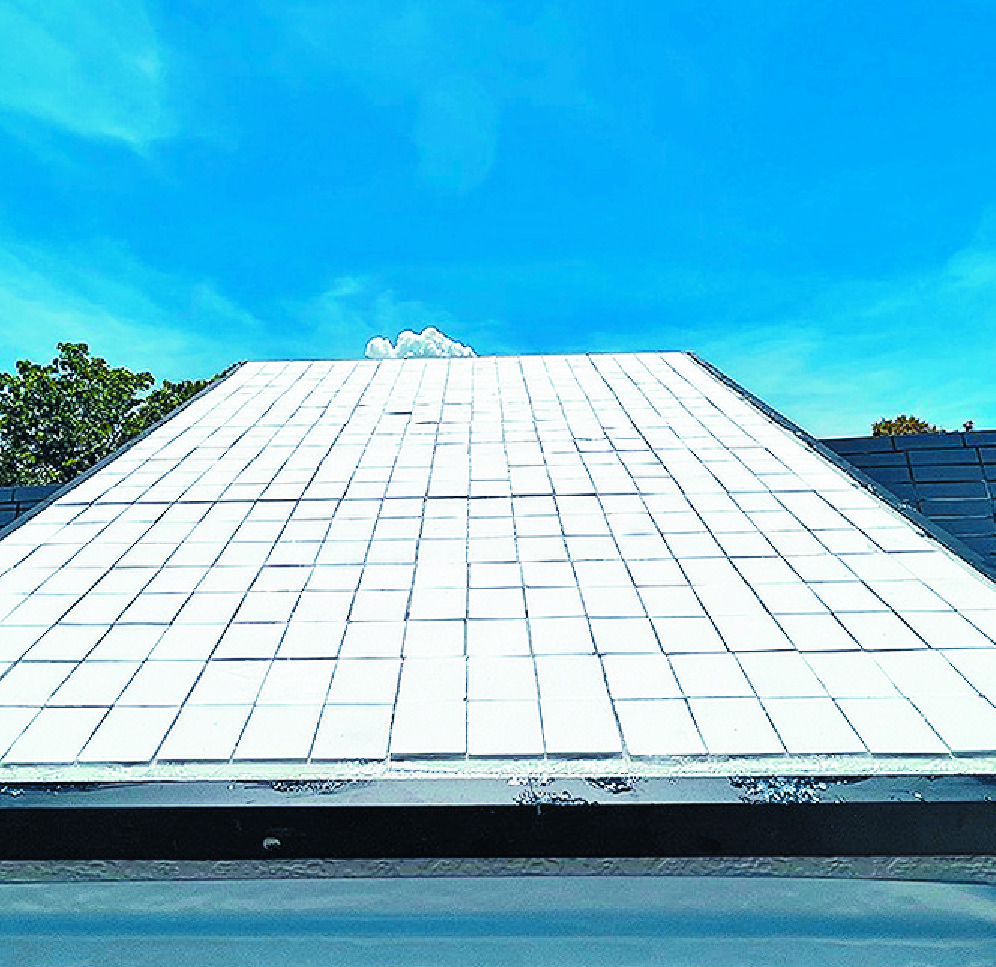
City University researchers have pioneered advanced radiative cooling technology that mitigates heat impact on buildings, pavements and textiles without consuming additional energy.
Tso said PRC leverages high solar reflectivity and significant mid-infrared emissivity to cool surfaces naturally.
"By reflecting sunlight and emitting thermal radiation into the cold universe, it can potentially lower surface temperatures by at least two degrees."
Its applications span three key areas: cooling ceramics for building envelopes, pedestrian pathways and public squares; cooling asphalt on roads; and developing thermal management textiles for personal clothing."Integrating PRC into these domains will help alleviate the urban heat island effect, particularly in hot regions, while enhancing personalized thermal comfort and contributing to a more sustainable and resilient community," Tso added.
Since 2022, the team's PRC products, which include cooling paint for roofs and walls, have been used across more than 1.07 million square feet in 20 countries and regions through the start-up platform i2Cool, which was established in 2021 under CityU's HK Tech 300 program.The research team also plans to advance PRC technology further.
Recent funding approval from the SAR government's "Research, and Industry Sectors One-plus Scheme" will enable the team to commercialize and expand this technology. Plans are in place to establish manufacturing facilities and production lines by the end of 2026.