Read More
Michael ShumIn an interview with state media China Global Television Network, Engelbrecht-Bresges said that Hong Kong, particularly the Jockey Club, seized the "unique opportunity" this principle presented.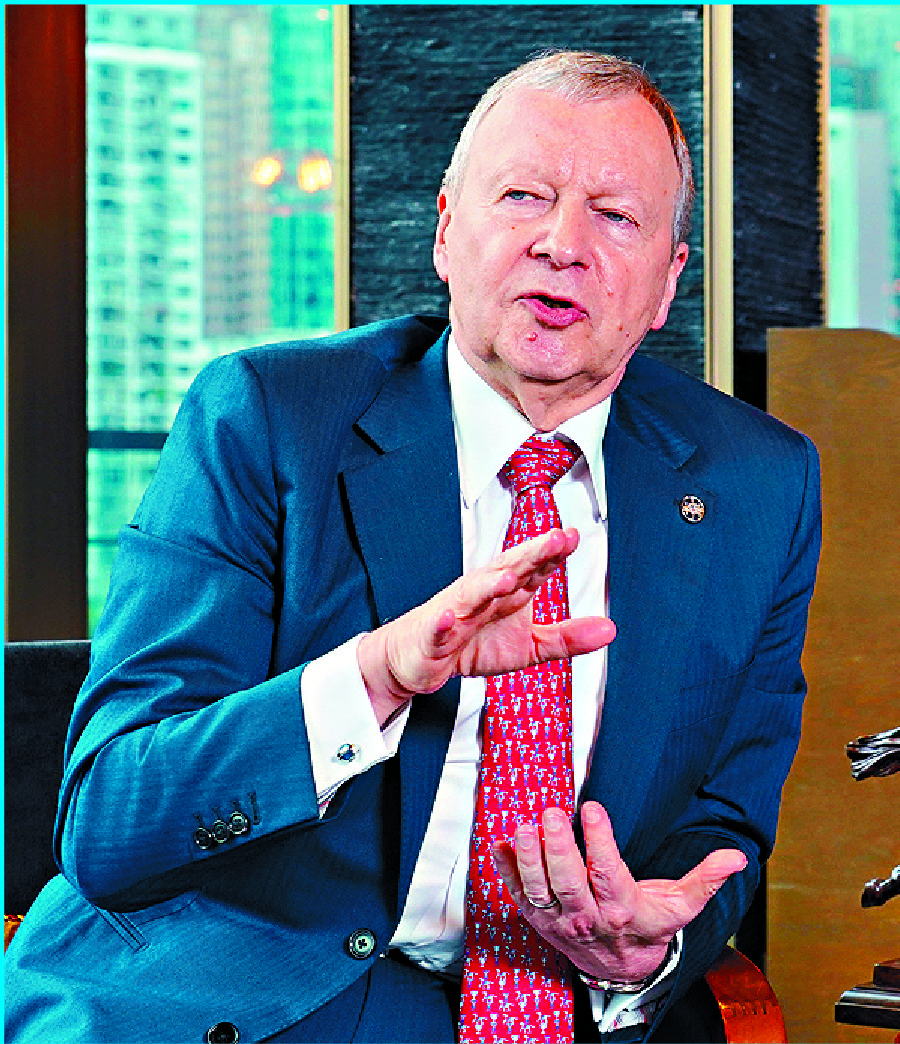
Horseracing "not only continues, but thrives" under the one country, two systems principle, says Winfried Engelbrecht-Bresges, CEO of the Hong Kong Jockey Club.
ADVERTISEMENT
SCROLL TO CONTINUE WITH CONTENT
"We demonstrated that the passion for horseracing in Hong Kong not only continues but can thrive," Engelbrecht-Bresges said.
"We have evolved from a regional horseracing organization to a global leader.
"Many people don't realize that we have only 0.7 percent of the world's horse population, yet 9 percent of the best horses are trained in Hong Kong. This is also true for our major international racing events."
He said the city serves as a "unique place" for the integration of international and local expertise. "Hong Kong is where East meets West," Engelbrecht-Bresges said, describing the city as a super connector and a bridge."This is a role we, as a club, are very keen on," he said, adding it is vital for the further development of equestrian sport in mainland China.
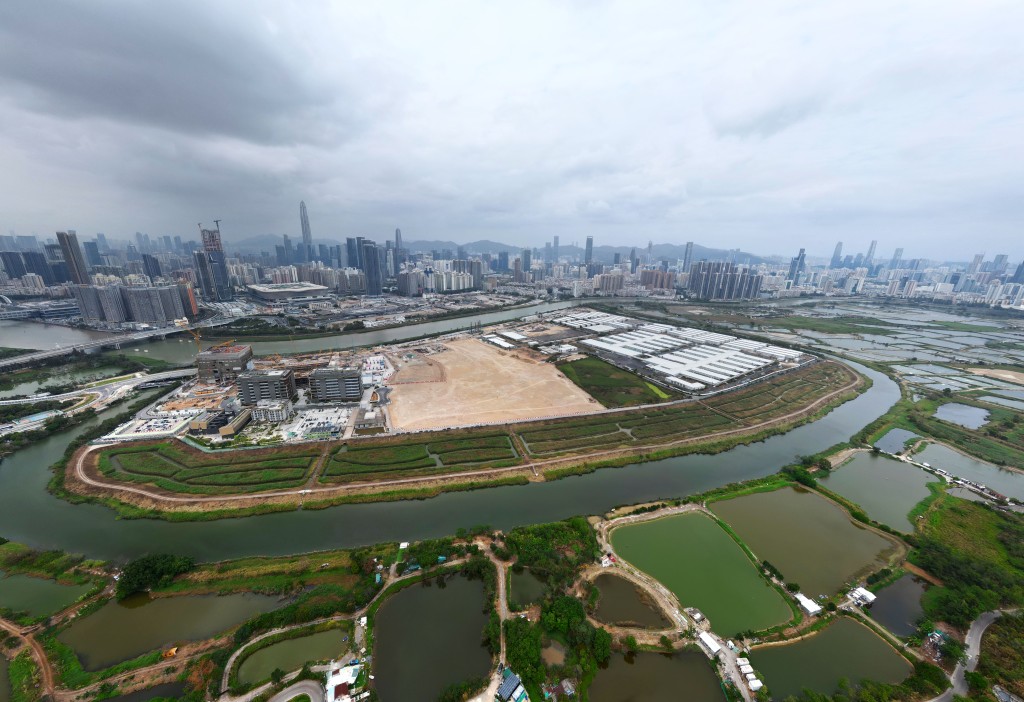
He acknowledged the "very clear geographical limitations and the limited population" in Hong Kong but expressed optimism about the potential for integration into the wider Greater Bay Area under one country, two systems."We believe this integration allows talent to move back and forth," he said. "The 'new' Hong Kong, inspired by the Greater Bay Area, could become a global leader in technology, philanthropy and education.
"This is the vision Hong Kong should pursue and execute to contribute to the wider community and to national development."Engelbrecht-Bresges said he envisions a future where Hong Kong continues to thrive as a dynamic, competitive city, leveraging its history while aspiring for global leadership, adding that beyond the Greater Bay Area, Hong Kong should instill a sense of pride in its youth regarding their Chinese heritage.
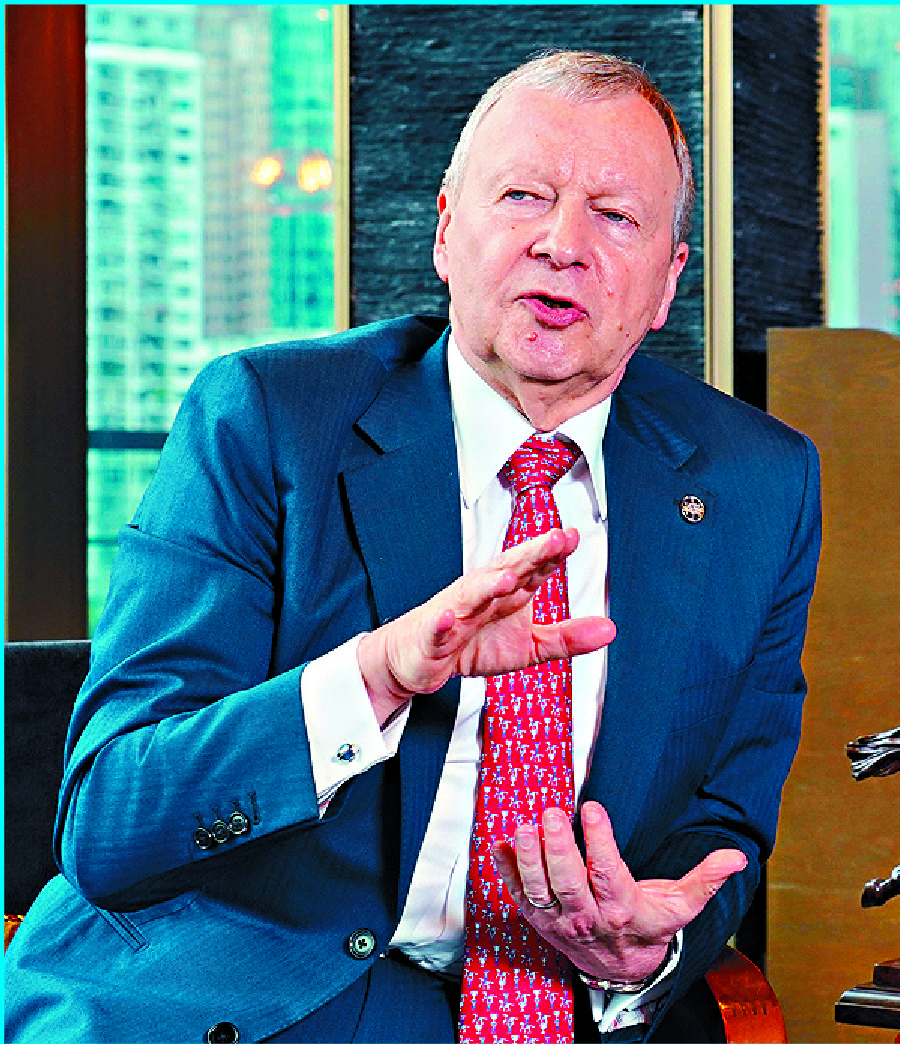
Stressing that "infrastructure is important," he shared that the HKJC Charities Trust donated HK$3.5 billion for the construction of the Hong Kong Palace Museum. "The club also initiated various cultural programs and exchange initiatives to enhance understanding and appreciation for Chinese culture," he said, expressing hope that these efforts will bridge the gap in cultural knowledge among young Hongkongers.michael.shum@singtaonewscorp.comWinfried Engelbrecht-Bresges is optimistic about the potential for integration into the Greater Bay Area. SING TAO