Read More
Geopolitical rivalries, including brewing trade battles between the United States and China, now trump inflation as the biggest worry for sovereign wealth funds and central banks managing some US$22 trillion (HK$171.6 trillion) in assets, an Invesco survey published has found."This of course is the year of elections," said Rod Ringrow, Invesco's head of official institutions. "Geopolitics has trumped [inflation] on both the short-term and the long-term outlook."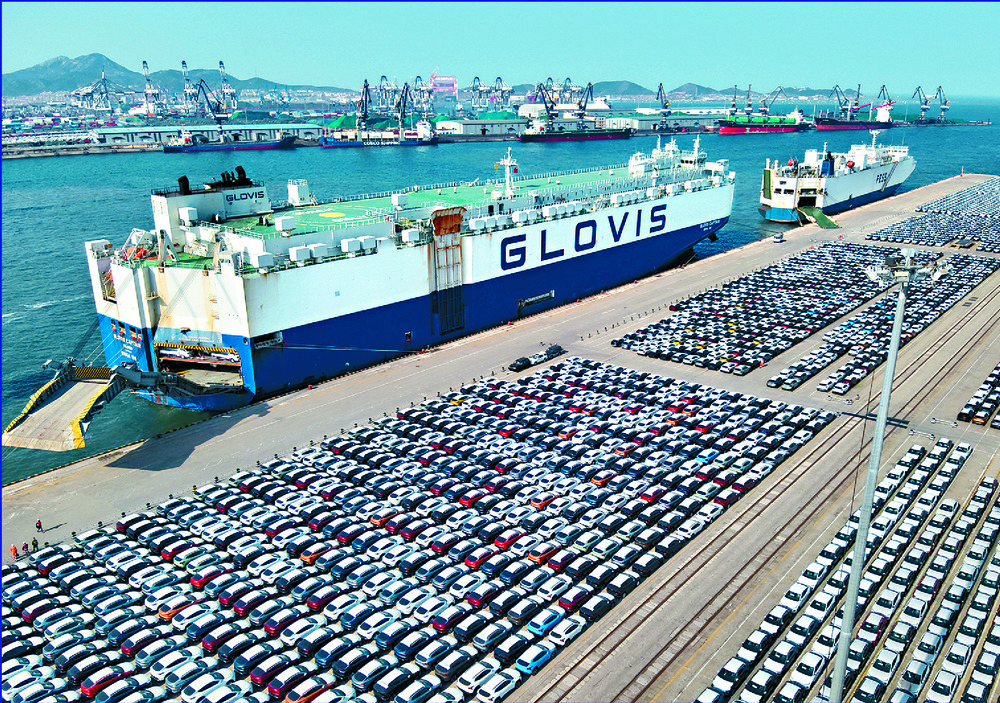

The ratcheting up of conflict - from Russia's war in Ukraine to trade restrictions - has loomed over global investors for several years, but with the inflation tide ebbing, and as nearly half the world's population votes on new leaders, the tensions are now center stage.
ADVERTISEMENT
SCROLL TO CONTINUE WITH CONTENT
Some 83 percent of the survey respondents listed geopolitical tensions as their top near-term concern, surpassing the 73 percent who listed inflation. Geopolitical fragmentation and protectionism also topped the list of worries for the coming decade at 86 percent.
Over the long term, respondents listed climate change as the second-biggest risk.
"Climate is mainstream now and the investment processes for the sovereign funds and the central banks ... are beginning to allocate capital to look at that and see how that impacts," Ringrow said.
The Invesco Global Sovereign Asset Management Study, in its 12th year, polled 83 sovereign wealth funds and 53 central banks in the first quarter of 2024.The strains - specifically the West's confiscation of more than US$300 billion worth of Russia's assets in response to Moscow's ongoing invasion of Ukraine - also spooked central banks.
A total of 56 percent of them said the "potential weaponization" of reserves boosted the appeal of gold."We have seen more central banks buying gold, buying physical gold ... and an increasing demand to try and hold the gold, or some of it, locally," Ringrow said.
Central banks traditionally stored gold in financial centers like London and New York - where, as Venezuela found in recent years, it can be effectively seized.More than half of respondents said that emerging markets are likely to benefit from the increasing multipolarity, while 67 percent of sovereign wealth funds expect emerging markets to match or outperform developed markets.
India is the most attractive market, partly because its bonds are becoming part of easy-to-access global investment indexes.But Ringrow said a constellation of other emerging economies - including Mexico, Brazil, Indonesia and South Korea - can "take advantage of the dislocation in trade and economic activity."
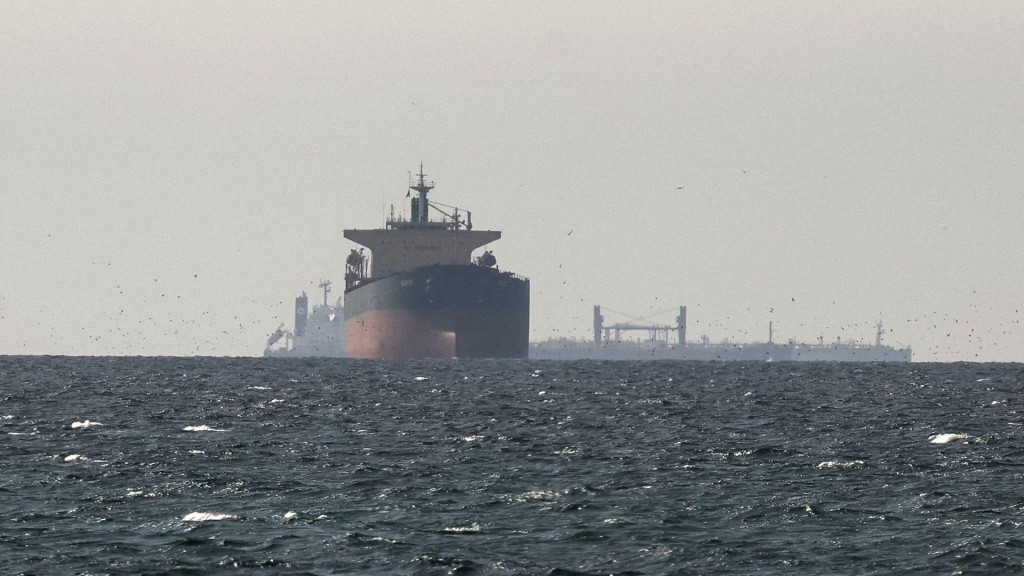
REUTERSVehicles to be loaded for export at Yantai Port in Shangdong. Among the concerns of global investors are the brewing trade battles between China and the US. XINHUA
A forest fire in California. Climate change is the second item on the worry list. AP