Read More







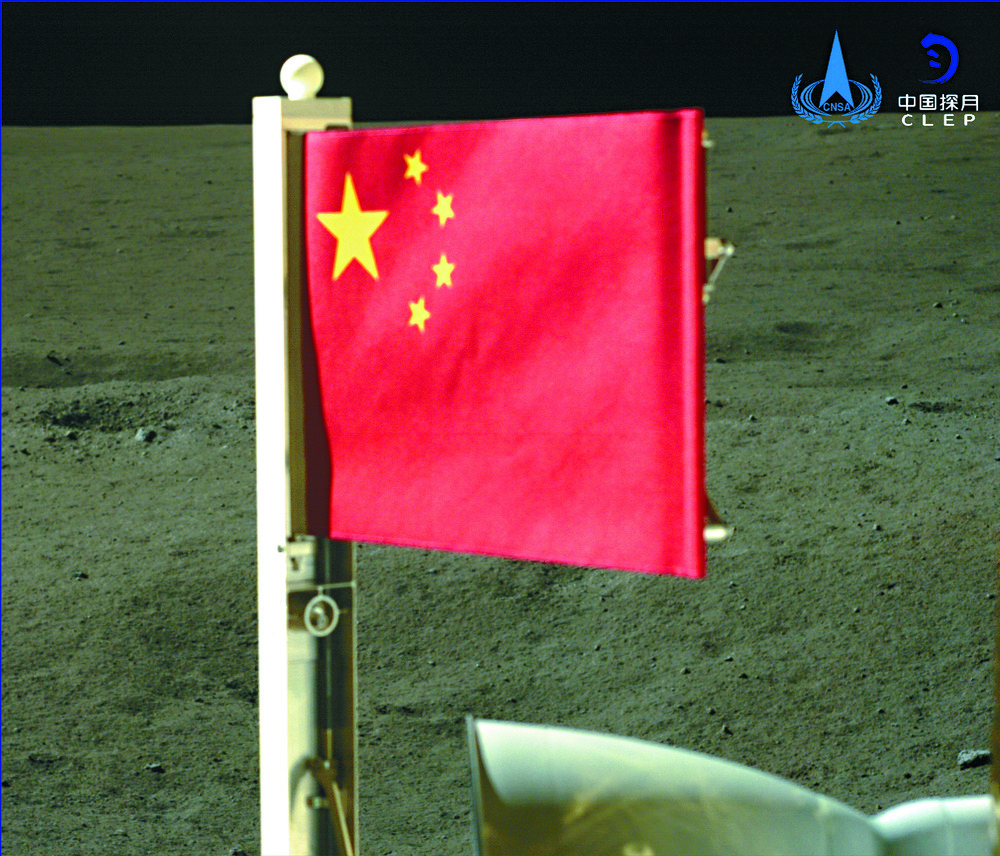
The mission was hailed as a success in China, which has made significant advances in a space program that aims to put a person on the moon before the end of the decade.
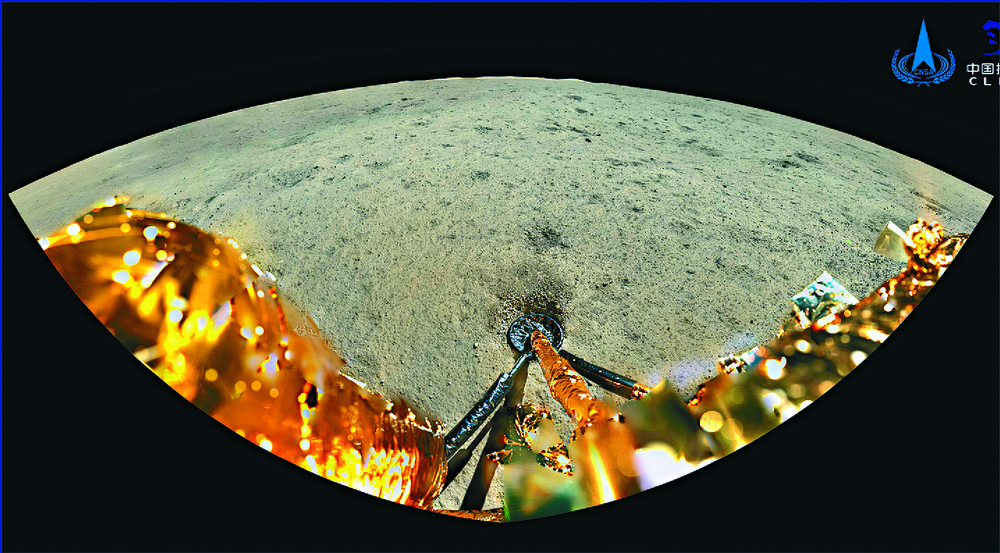
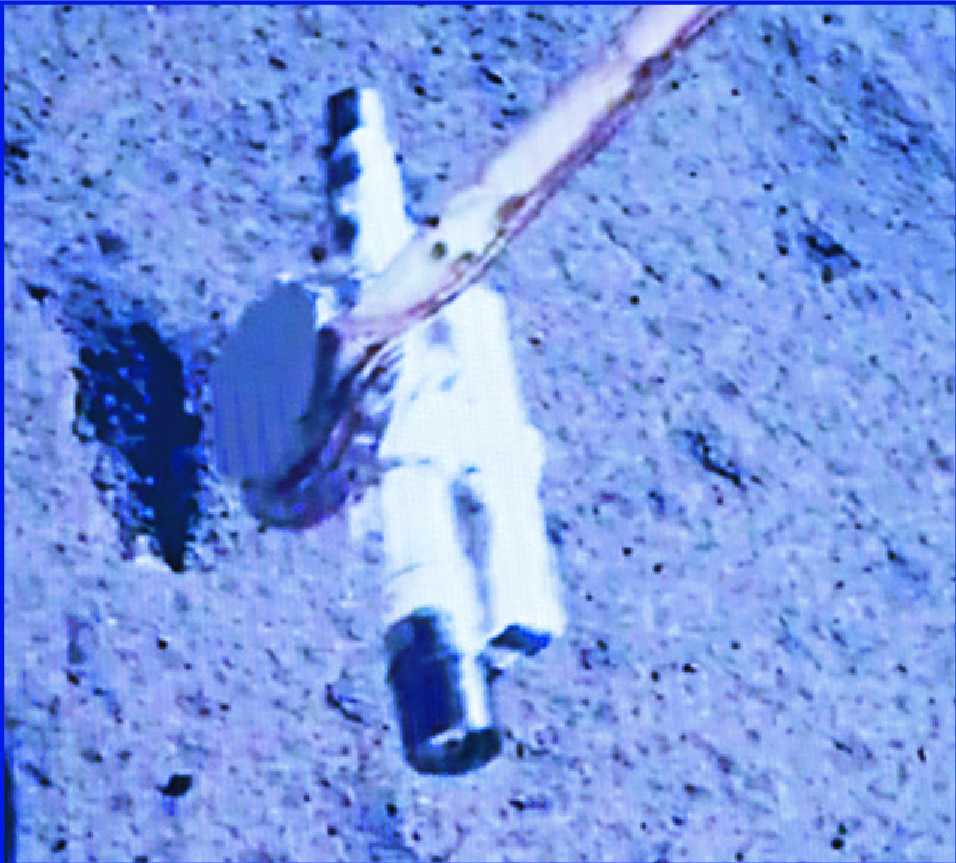
The agency said the spacecraft withstood a high temperature test on the lunar surface, and acquired the samples using both drilling and surface collection before stowing them in a container as planned.
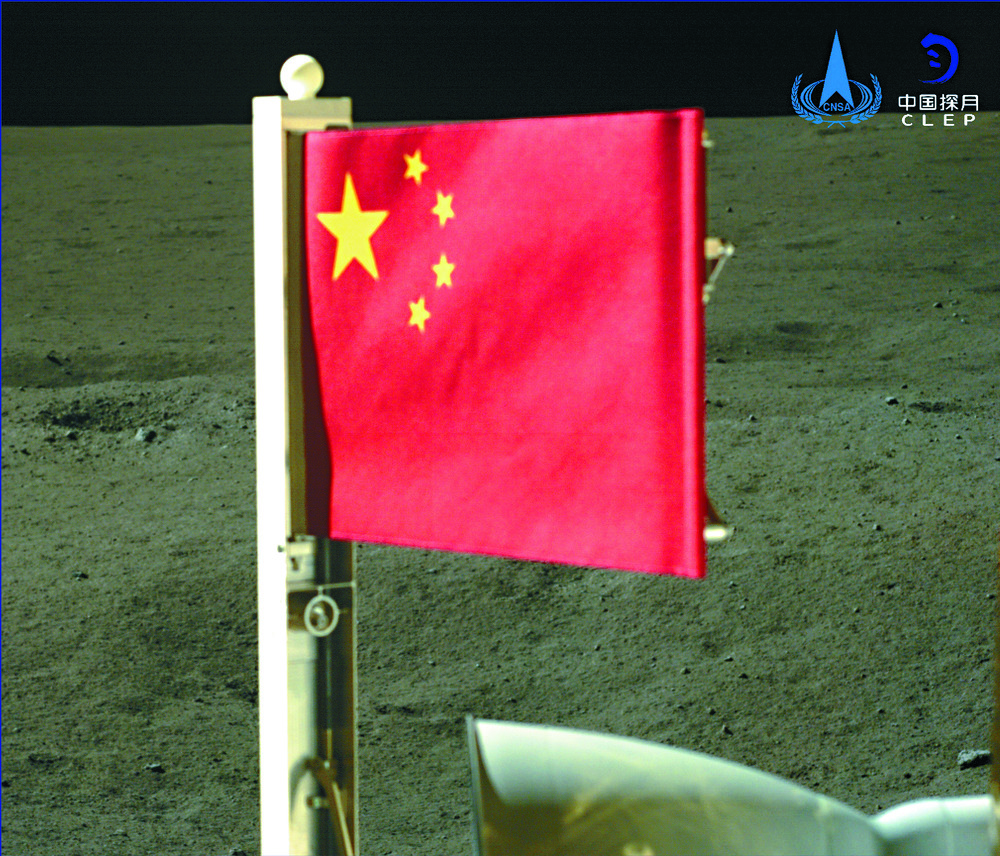
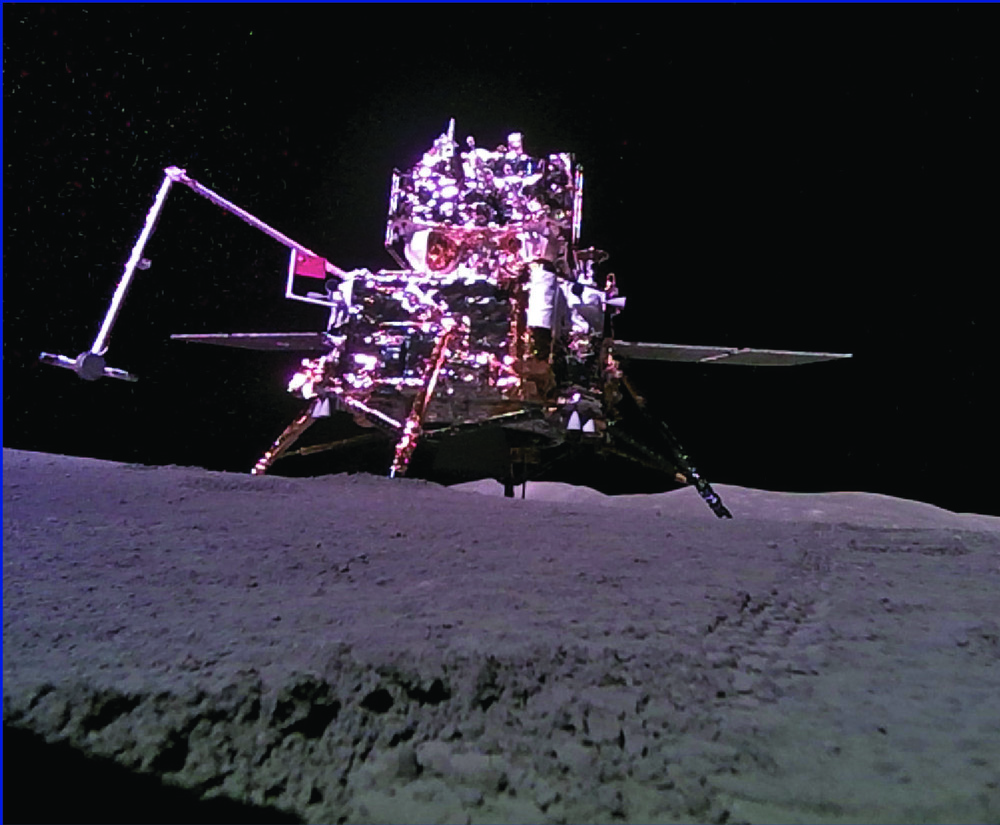
The small flag, which the agency said was made of special composite materials, emerged on a retractable arm deployed from the side of the lunar lander and was not placed onto the lunar soil, according to an animation released by the agency.
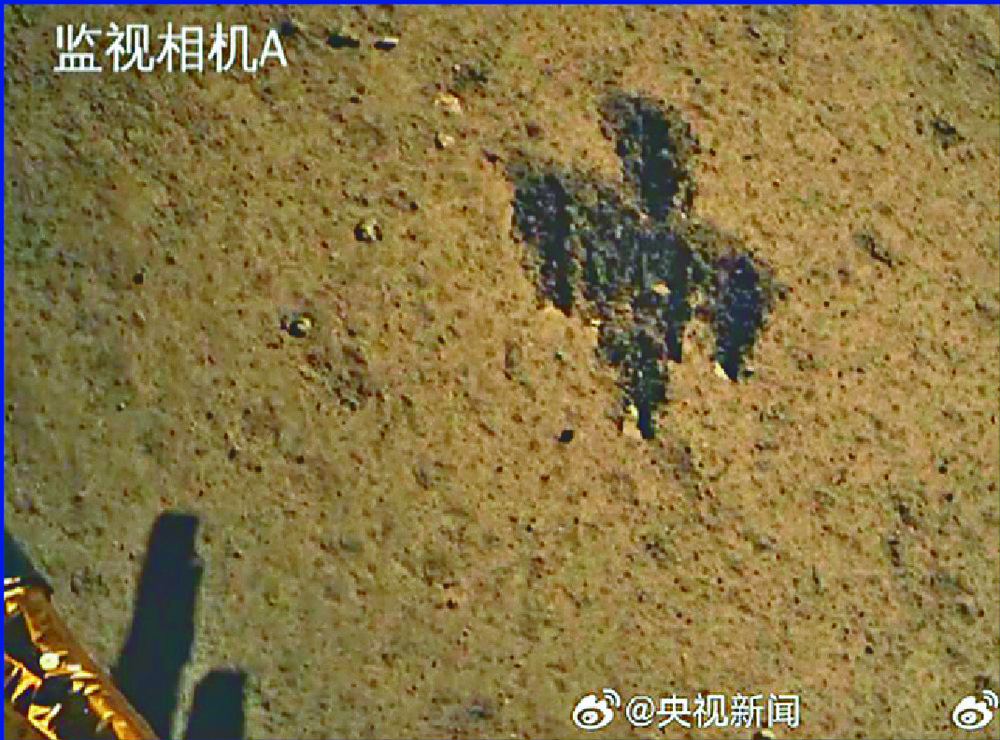
Also, a mark was left on the lunar surface that resembled the Chinese character Zhong, state media reported.Zhong is the first part of Zhongguo, the Chinese-language name for China. It can also mean center in Chinese.
"There is a Chinese character on the back of the moon," broadcaster CCTV posted on Weibo. "The moon's surface now shows a 'Zhong' character."Foreign Ministry spokesperson Hua Chunying wrote on X: "Mission accomplished! An unprecedented feat in human lunar exploration history!"
Missions to the moon's far side are more difficult because it does not face the Earth, requiring a relay satellite to maintain communications. The terrain is also more rugged, with fewer flat areas to land.Xinhua news agency said the probe's landing site was the South Pole-Aitken Basin, an impact crater created more than four billion years ago that is 13 kilometers deep and has a diameter of 2,500km.
It is the oldest and largest of such craters on the moon, so may provide the earliest information about it, Xinhua said, adding that the huge impact may have ejected materials from deep below the surface.ASSOCIATED PRESS, BLOOMBERG