Read More








Night Recap - September 16, 2026
6 hours ago


Four arrested over Pokémon card scams involving $101,000
15-09-2026 18:26 HKT
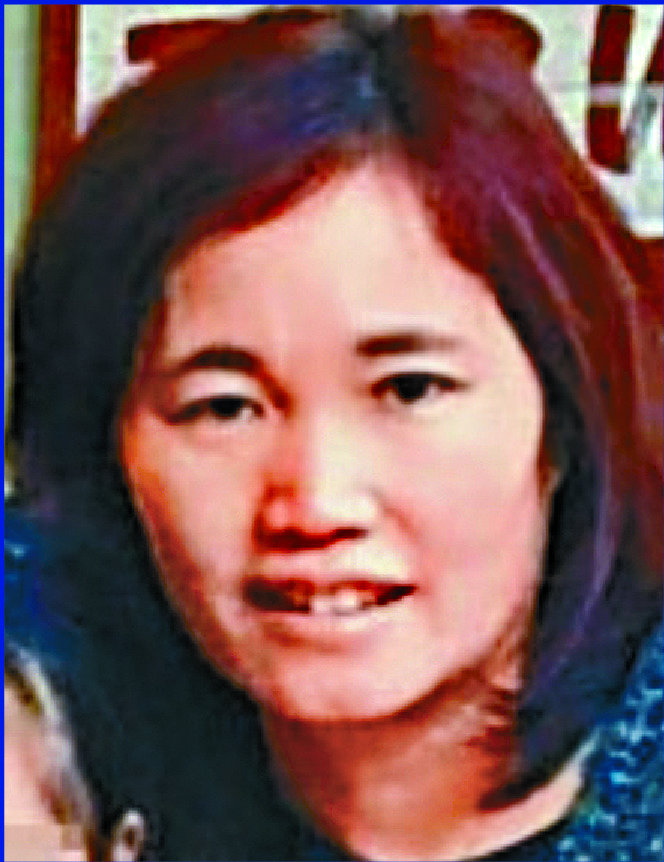
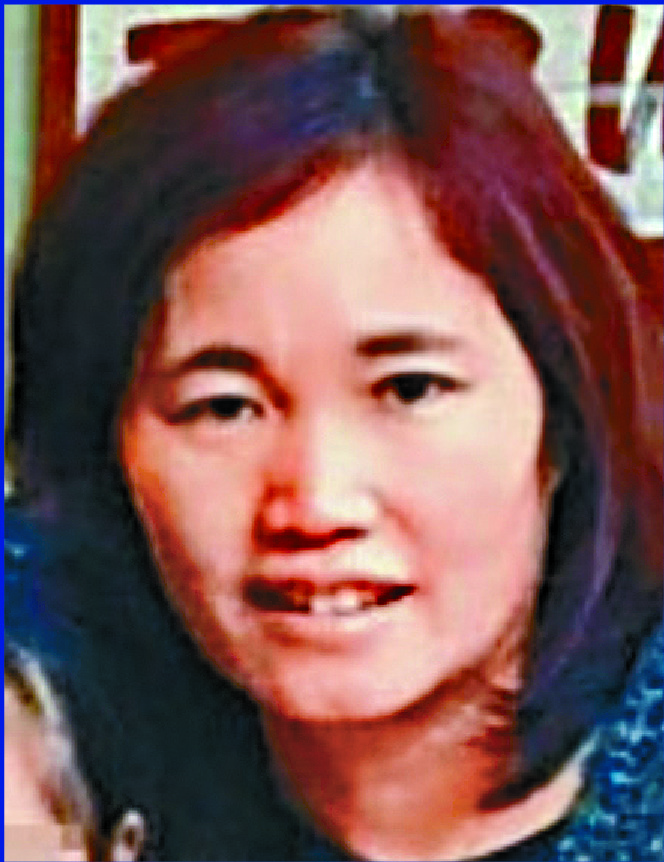
Coroner Monica Chow Wai-choo on the 12th day of an inquest directed a five-member jury to determine whether a mother of two, Tang Kwai-sze - who died seven years ago after a drug prescription blunder - had died of misadventure or natural causes.
Tang, aged 44, was diagnosed with kidney disease in 2016 at United Christian Hospital. However, she experienced acute liver failure and passed away in 2017 after receiving a liver transplant, as a result of a missed prescription.
The inquest has revealed that doctors Lam Chi-kwan and Chan Siu-kim from United Christian Hospital failed to prescribe anti-hepatitis B viral drugs to Tang during her kidney treatment between August 2016 and February 2017 despite Tang being a carrier of hepatitis B since 2008.
Chow told the jury that they have the authority to determine whether Tang's death was caused by misadventure, natural causes, or to deliver an open verdict.
Chow told the jury that the court had summoned 15 witnesses and reviewed 38 documents during the inquest, saying that it is their responsibility to assess the reliability of the evidence presented. Referring to the autopsy report, Chow said Tang suffered from acute pneumonia after the transplant surgery and eventually died of sepsis.
Chow outlined two possible scenarios for the jury's consideration. If the jurors believe that Tang's hepatitis B virus was activated due to the administration of a high dose of steroids without antiviral medication or the lipid-lowering drug Zocor, they should conclude that Tang died of misadventure since the incident was triggered by medication.
On the other hand, if they are convinced that Tang's liver failure resulted from autoimmune hepatitis, a chronic liver disease characterized by the immune system attacking liver cells, they should determine that Tang died of natural causes.
Chow also told the jury that an open verdict is possible if they are unable to ascertain the exact cause of Tang's liver failure. She added that the Coroner's Court has limited judicial jurisdiction and that the purpose of the inquest is not to investigate human negligence.
The hearing continues today, and the jury will retire to consider the verdict.