Read More
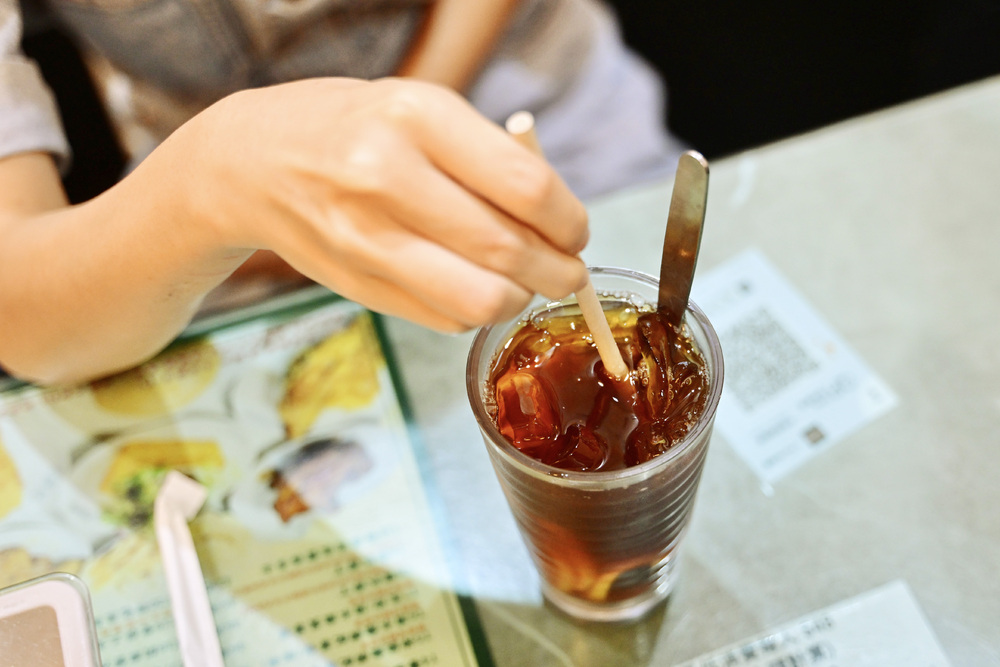
People can ease their worries about the cancer risk caused by the use of paper straws as scientists say one has to use at least 300 paper straws a week for excessive intake of per- and poly-fluoroalkyl substances.
ADVERTISEMENT
SCROLL TO CONTINUE WITH CONTENT
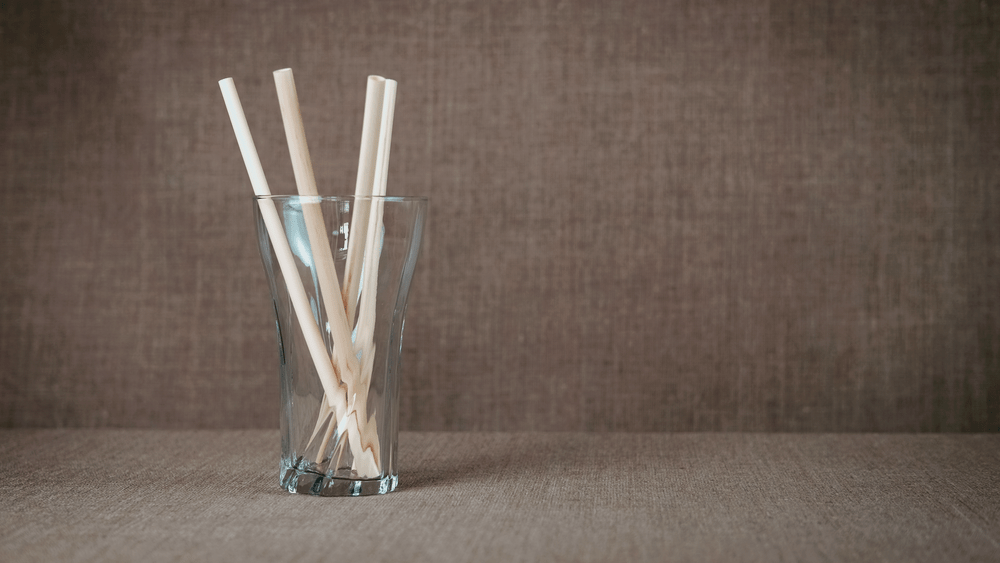
Researchers from Universiteit Antwerpen in Belgium conducted a study in 2022 to assess the presence of PFAS in various types of straws. The study included 39 brands of straws, including those made from paper, glass, bamboo, stainless steel and plastic.
The findings revealed that PFAS were detected in 90 percent of the paper straws and 80 percent of the bamboo straws tested.
PFAS are synthetic chemicals used to make coatings for the products to be resistant to heat, oil, stains, grease and water. However, they have been classified as potential carcinogens and can be harmful to the environment and wildlife.
Concerns were raised by web users regarding the long-term health consequences of using paper straws based on the Belgian study. While it is true that PFAS were found in a significant proportion of the paper and bamboo straws tested, it is important to consider the dosage and exposure risks.
According to Cai Zongwai, a professor at Baptist University, the health risk associated with PFAS exposure from non-plastic cutlery is "very low" due to the low concentration and their resistance to water, oil and heat.
The European Food Safety Authority has established a tolerable intake of PFAS, and based on the Universiteit Antwerpen study, an adult weighing 70 kilograms would not exceed this limit unless they ingested all the PFAS in 300 paper straws per week.
Cai also said that disposable plastic tableware poses an even greater hazard in terms of the release of hazardous substances.
In addition to PFAS, other potentially harmful substances such as heavy metals, bisphenol A, phthalates, and residual raw materials can be found in plastic tableware.
Non-plastic alternatives, on the other hand, do not pose any additional health risks, Cai said.
To address these concerns, some suppliers in Hong Kong offer PFAS-free tableware and containers that use water-based barrier coatings. These coatings are safe for direct food contact, are resistant to water, and do not pose a risk to human health.
eunice.lam@singtaonewscorp.com
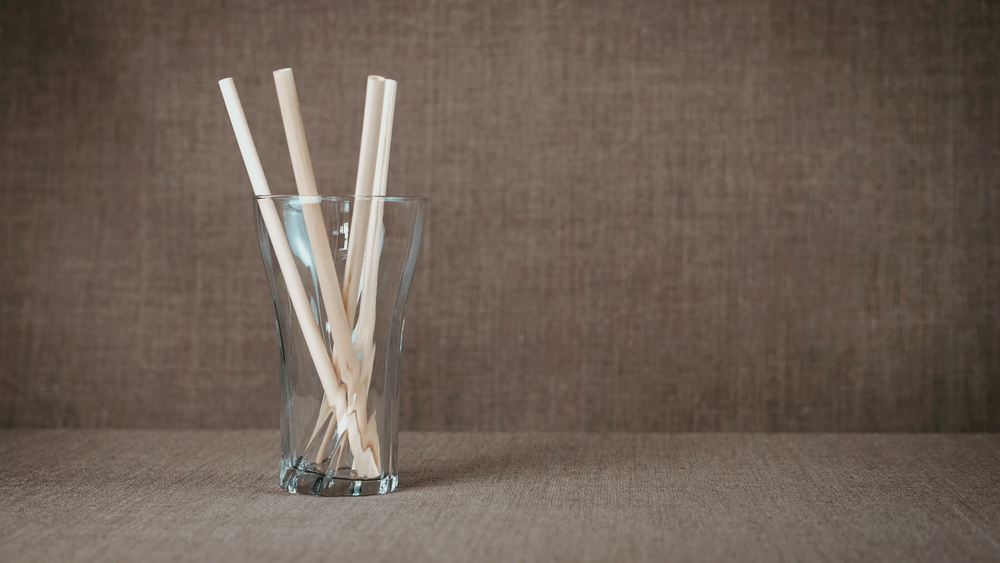
Some suppliers offer tableware that use water-based coatings which are safe for direct food contact, are resistant to water, and do not pose a risk to human health. Sing Tao