Read More











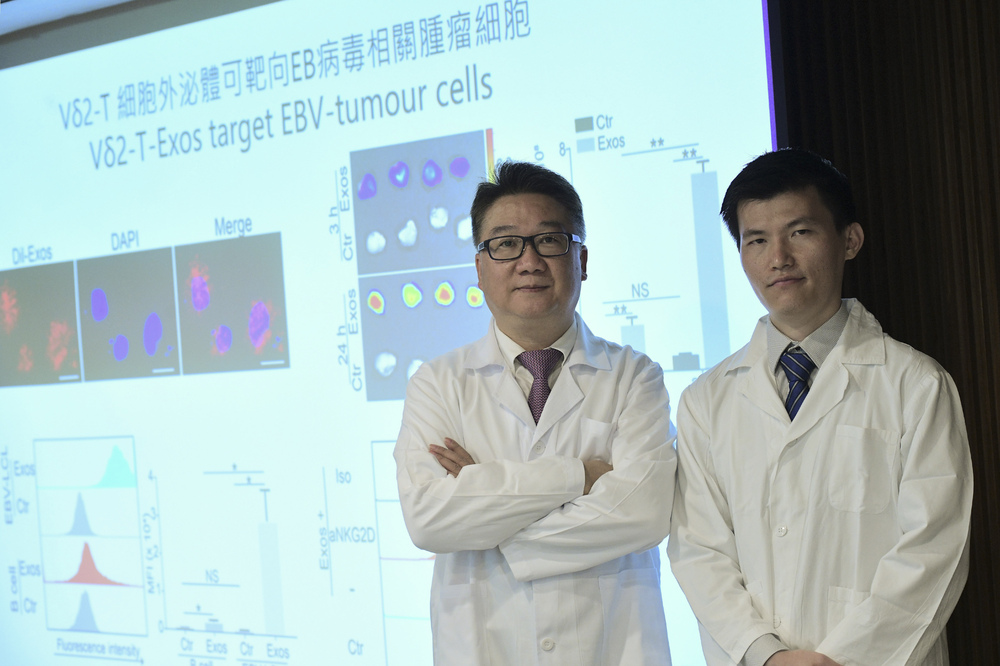
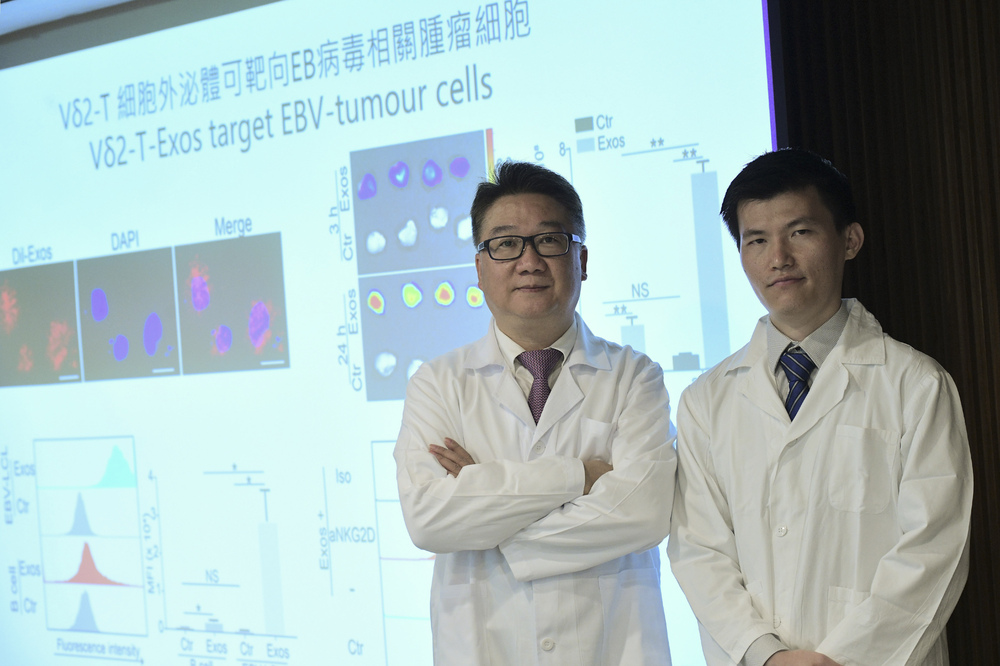
University of Hong Kong researchers have made a significant breakthrough in cancer treatment by developing a tumor vaccine.
They discovered that exosomes derived from ??-T cells, a rare subset of T cells known for their direct anti-tumor activity, have both direct anti-tumor effects and the ability to induce a tumor-specific immune response when developed into a tumor vaccine.
Exosomes are nanoscale particles secreted by cells that play a crucial role in intercellular communication. They carry various substances, such as lipids, proteins and nucleic acids.
Their use in tumor vaccines have been explored due to their ability to protect vaccine components from degradation, improve stability, extend the biological half-life and enhance uptake by antigen-presenting cells.
Researchers focused on exosomes derived from human ??-T cells. They found that ??-T cell-derived exosomes exhibit dual anti-tumor activities.
These exosomes carry cytotoxic and immunostimulatory molecules that can directly kill tumor cells and stimulate the immune system.
Also discovered was that ??-T-Exos have adjuvant effects, enhancing the expression of antigen-presenting and releasing molecules that promote inflammation, thus improving the immune system's ability to recognize and attack tumor cells.
Importantly, vaccines derived from different people exhibited similar preventive and therapeutic effects in mouse models, suggesting this approach is suitable for centralized and standardized production.
The ??-T-Exos-based vaccines have dual anti-tumor capabilities, effectively killing tumor cells and indirectly inducing a T-cell mediated anti-tumor immune response, leading to better tumor control compared to existing vaccine strategies.
Research leader Tu Wenwei from the department of pediatrics and adolescent medicine said: "In multiple mouse models, ??-T-Exos-based vaccines effectively controlled tumor development and progression."
He also said ??-T-Exos derived from healthy donors can be used to treat allogeneic tumor patients, which greatly facilitates the clinical promotion and application of this new therapy.
The significance of this study should not be overlooked, as it has important implications for cancer immunotherapy. ??-T-Exos-based vaccines derived from different people show promise for clinical practice, as they simplify the personalized preparation process and allow standardized production.
These findings have the potential to improve cancer treatment outcomes by offering a more streamlined and accessible approach.