Read More
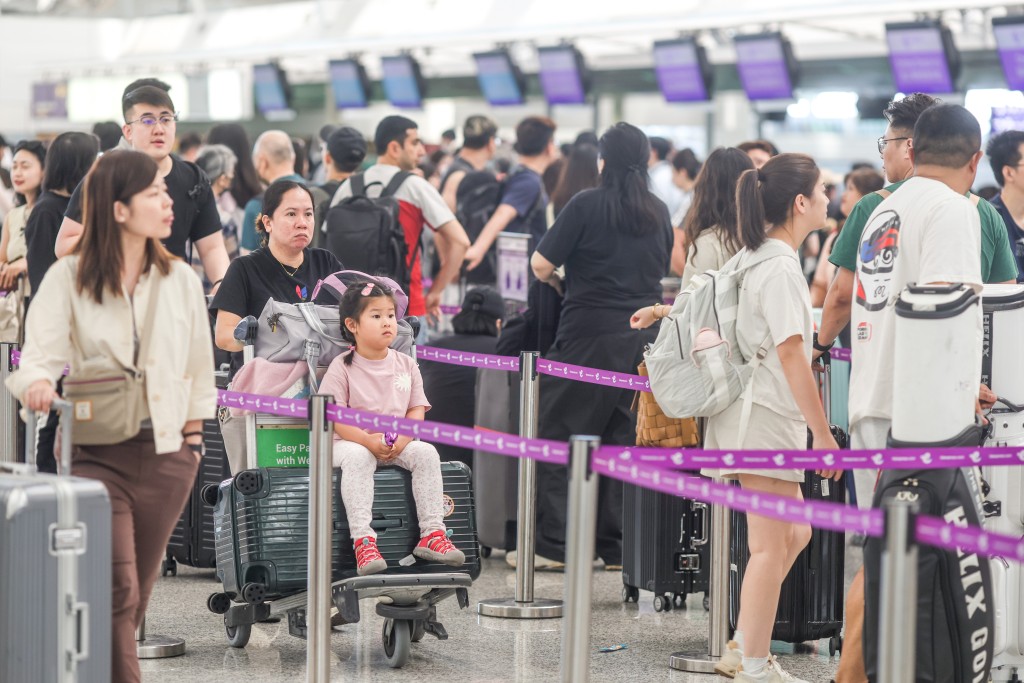
Some 1.43 million tourists visited Hong Kong during the eight-day Chinese New Year Golden Week, reaching prepandemic levels.
ADVERTISEMENT
SCROLL TO CONTINUE WITH CONTENT
Of those arrivals during the holiday that ended on Saturday, over 1.25 million were from the mainland.
Mainland arrivals peaked on February 12, the third day of the Lunar New Year, with about 186,000 visitors.
The port of entry with the highest daily average number of mainland visitors was West Kowloon Station, followed by Lo Wu port.
"The number of mainland visitors during the Golden Week exceeded the level in the same period in 2018, intensifying the ambiance and also increasing the income of the catering and retail industries," Secretary for Culture, Sports and Tourism Kevin Yeung Yun-hung noted.
But legislators and industry leaders grumbled that business turnover remained below the prepandemic level.
Wholesale and retail sector legislator Peter Shiu Ka-fai said inbound tourist numbers were satisfactory, with notable sales of cosmetics, jewelry and luxury goods. But sales of other goods were only fair, and total business dropped 16 percent over the corresponding period in 2018.
Catering veteran Simon Wong Ka-wo said although the mainland visitor figure recovered on the surface, the business of the local catering industry saw a 10 to 12 percent decrease in activities compared with the prepandemic level as mainlanders preferred traveling on a tight budget.
But tourism sector legislator Perry Yiu Pak-leung was positive, saying some tourists stayed in high-class hotels and joined in-depth tours.
Yiu believes that as long as Hong Kong provides interesting products and services tourists will be attracted to the city.
Meanwhile, Chief Secretary for Administration Eric Chan Kwok-ki said the cross-border arrangement during the holiday was successful.
After attending a conference on Guangdong's development in Shenzhen yesterday, Chan was asked whether the Hong Kong administration would discuss with the Guangdong provincial government holiday cross-border arrangements in future.
He said the round-the-clock border crossing at Shenzhen Bay Port during the holiday facilitated visitors.
He said that on Saturday the extended operation hours at ports between Hong Kong and the mainland will not become a regular measure.
The number of cross-boundary travelers during the overnight period was relatively small, he added, and in consideration of manpower and support, operating 24 hours daily would be a waste of resources.
"We have also appealed to tourists to stay overnight if they are not leaving by 3 or 4am."
Additionally, the mainland saw over 13.5 million inbound and outbound trips during the Spring Festival, representing a 2.8-fold increase over the corresponding period last year and reached 90 percent of the 2019 level, according to the National Immigration Administration.
The administration said border inspection agencies handled a daily average of about 1.69 million inbound and outbound trips during the period, with peak traffic on February 12 with over 1.85 million trips.
In addition, land ports in Guangdong saw significant traffic, accounting for 73.1 percent of the total entry and exit volumes nationwide.
stacy.shi@singtaonewscorp.com
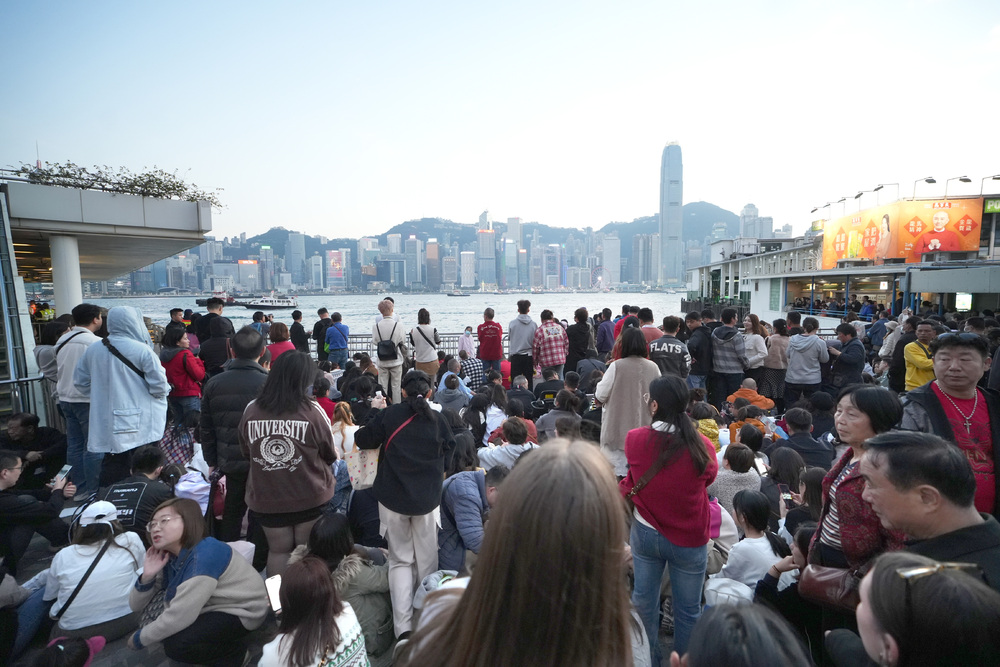
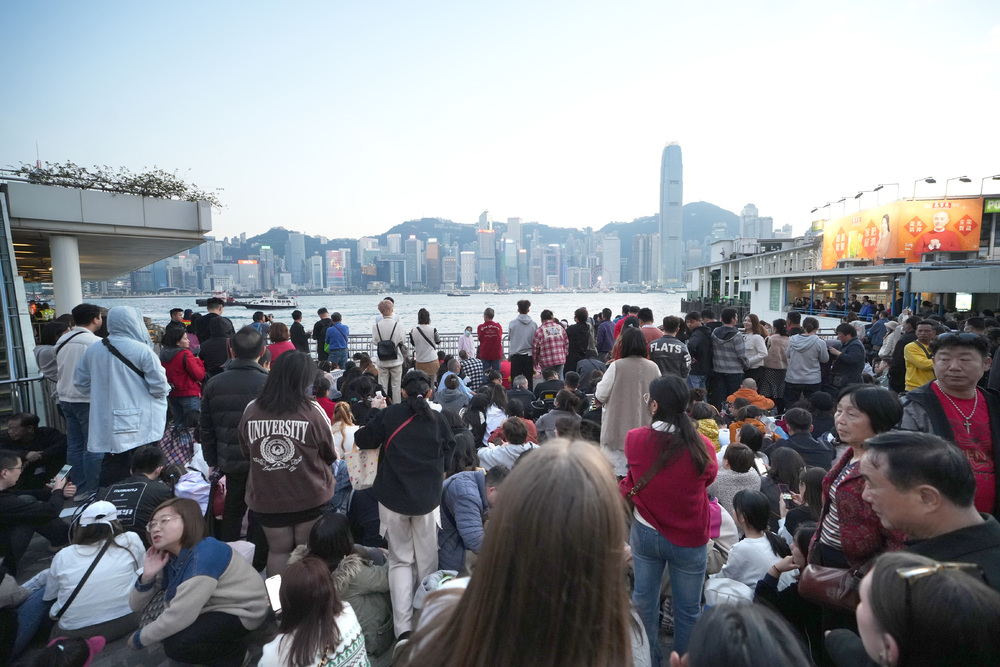
Despite the promising figures, many tourists traveled on a tight budget, business leaders said. SING TAO