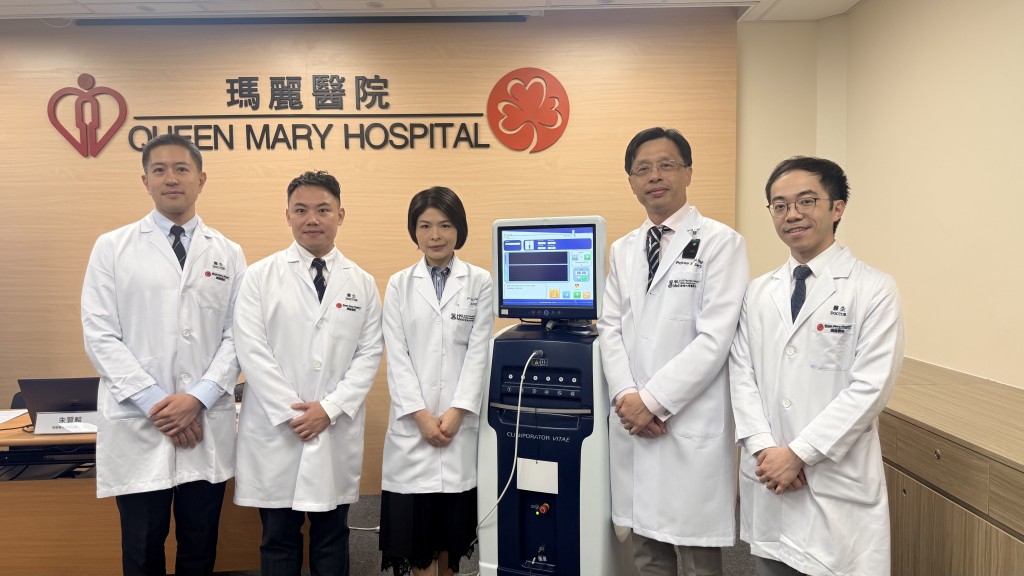
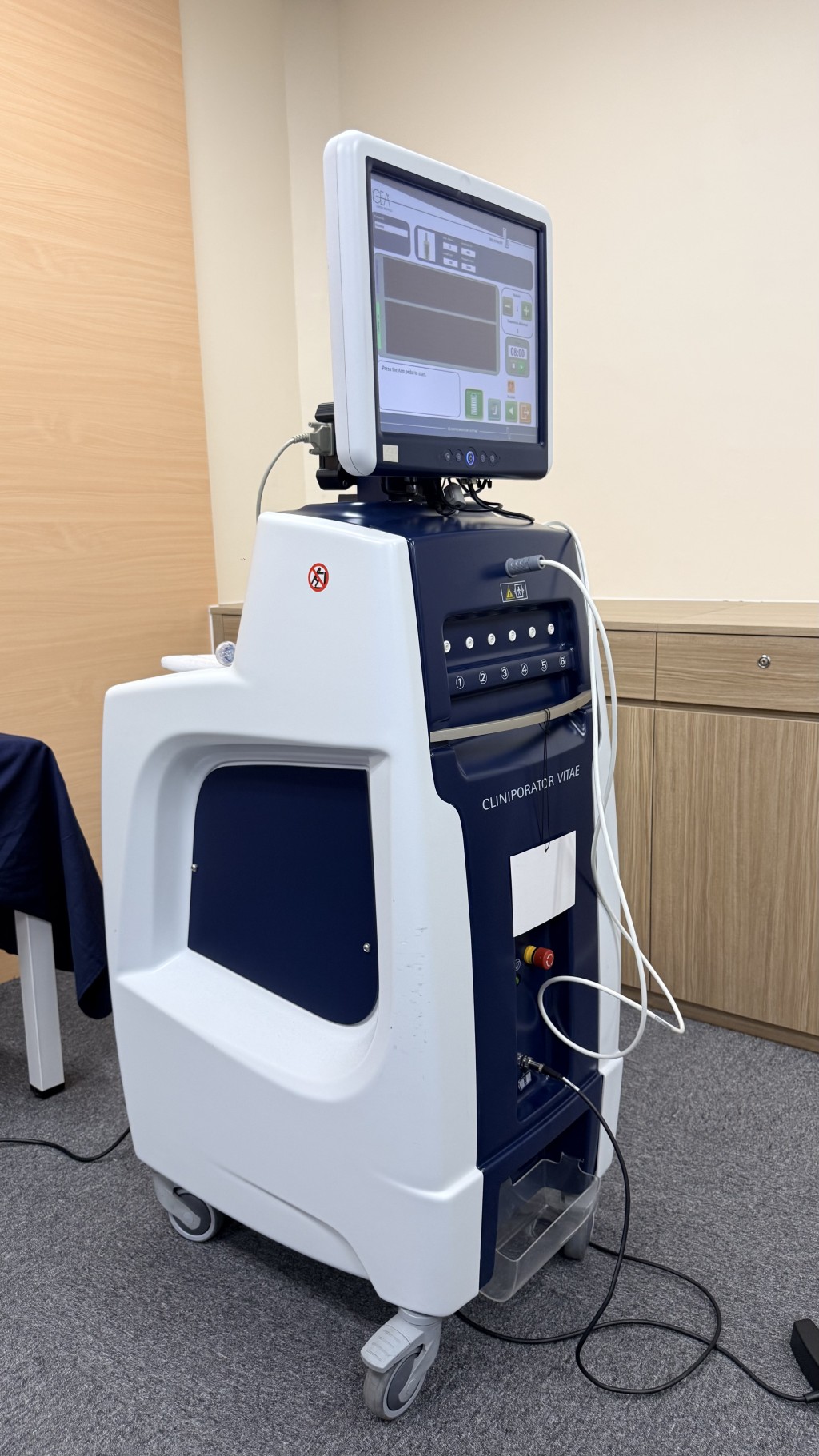
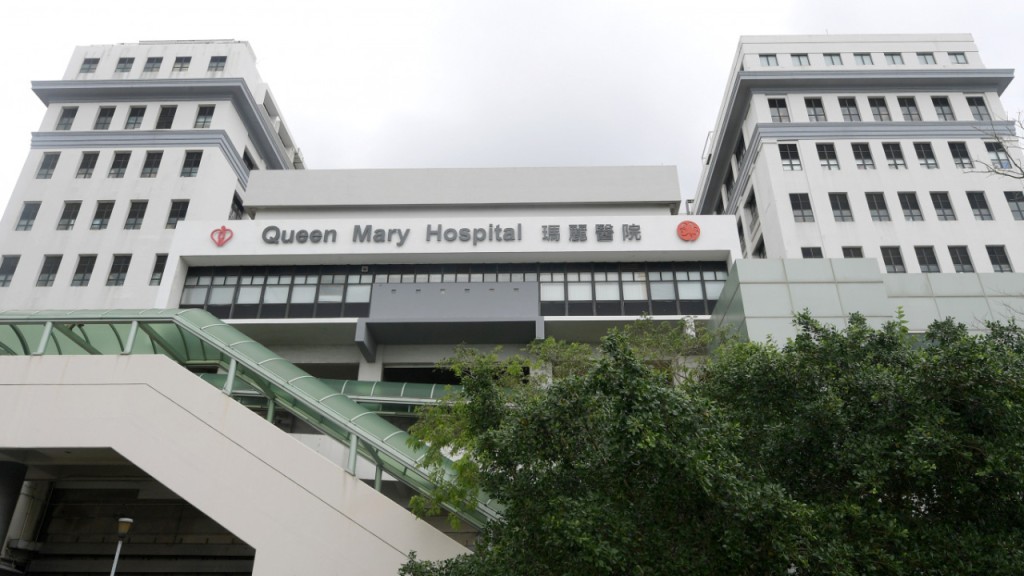
Queen Mary Hospital has introduced an electric pulse-assisted treatment for patients with vascular malformations, becoming the first in Asia to apply the technology on pediatric patients successfully.
Vascular malformations are congenital abnormalities that can develop in any part of the body. Apart from affecting a patient’s appearance, the condition may cause swelling, pain and bleeding, and can impair bodily functions in severe cases.
The hospital established a multidisciplinary vascular malformation team in 2023, bringing together specialists from interventional radiology, pediatric surgery, plastic surgery and other departments to provide patients with coordinated diagnosis, treatment and follow-up care.
The new technology uses brief electric pulses to create temporary microscopic pores in cell membranes, improving drug uptake by at least 750-fold while allowing lower doses and enhancing treatment safety.
The new technology uses brief electric pulses to create temporary microscopic pores in cell membranes, improving drug uptake by at least 750-fold while allowing lower doses and enhancing treatment safety.
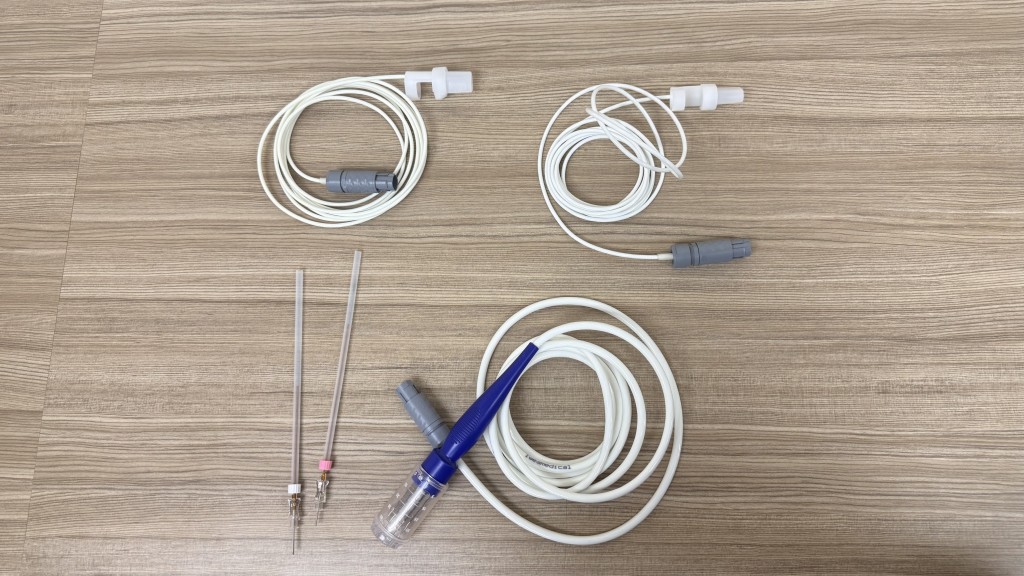
Since September last year, the team has used bleomycin electrosclerotherapy, or BEST, which combines the injection of a sclerosing agent – an agent that causes the malformation to shrink – with short electrical pulses. The pulses temporarily create microscopic openings in the membranes of abnormal blood vessel cells, allowing the medication to penetrate them more effectively.
The technology increases the uptake of the medication by at least 750-fold compared with conventional minimally invasive sclerotherapy, according to the medical team.
This enables doctors to use a lower drug dosage while enhancing the treatment effect and reducing patients’ exposure to medication.
The hospital has completed 15 procedures using the technology so far, involving three pediatric patients. The first pediatric case also marked the first use of the treatment on a child with a vascular malformation in Asia.
Edward Chu Yin-lun, the consultant radiologist at the Department of Radiology of the Queen Mary Hospital, said it is a minimally invasive therapy but not a surgery to remove the lesion. He added it will ameliorate symptoms, including improving the appearance, pain, and bleeding. “We are not removing the entire malformed blood vessel," he said.
The team said the technology is still in the research stage, and the team emphasizes that traditional treatments remain effective for specific patients and cannot be completely replaced.
The team plans to study the application of BEST to dermatological tumors to help alleviate patient discomfort.