Read More








Morning Recap - October 26, 2026
9 hours ago

Veteran stock analyst Louie Shum Chun-ying dies at 65, obituary shows
25-10-2026 15:13 HKT

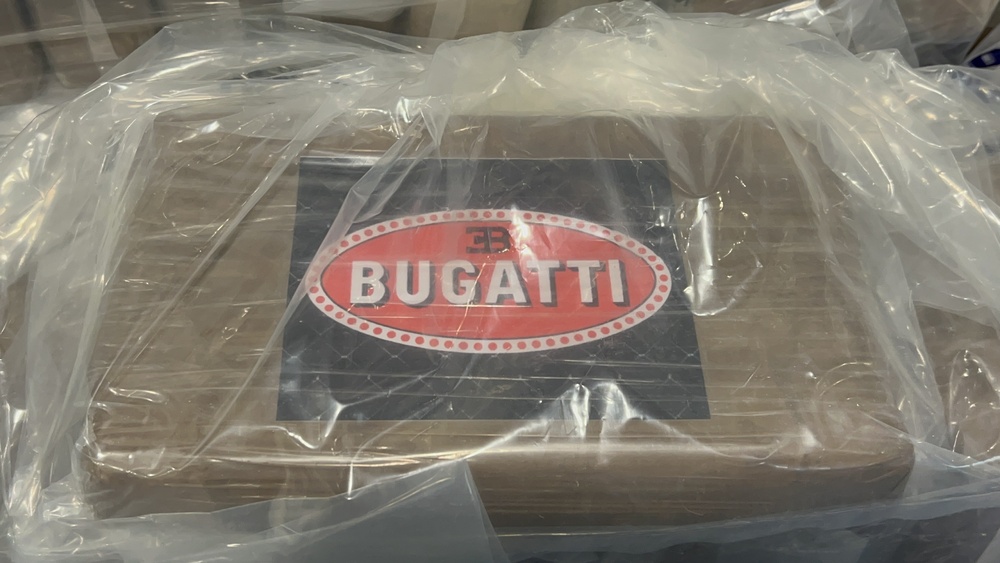
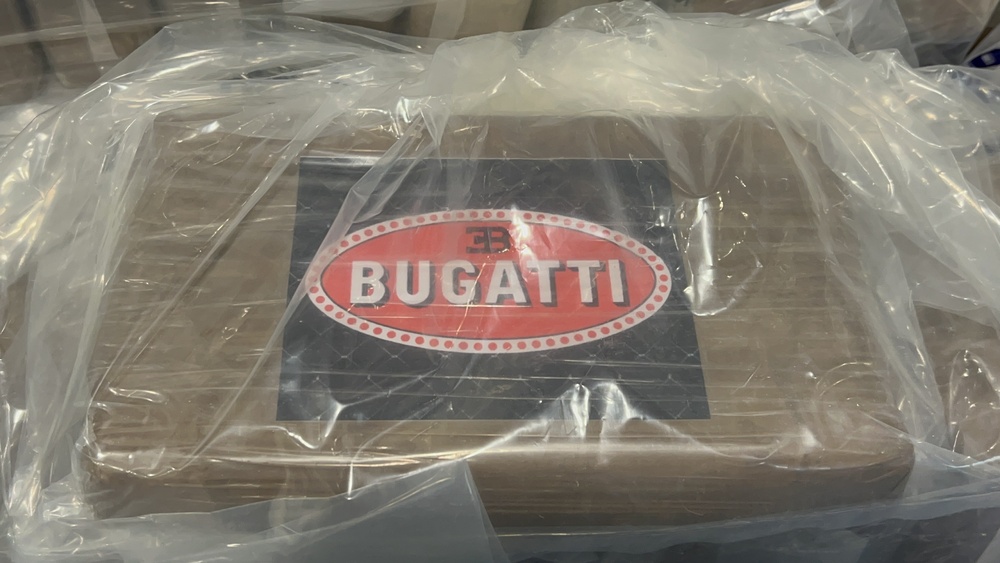
Anti-narcotics officers have seized suspected cocaine with an estimated value of HK$120 million from two foreigners at a Yau Ma Tei guesthouse amid fears that syndicates are making used of tourist hot spots in Hong Kong to conduct drug activities.
It is the largest quantity of cocaine seized this year, with police discovering 132 kilograms of suspected bricks of cocaine in suitcases.
Superintendent Wilson Tam Wai-shun, from the narcotics bureau, said: "After a thorough investigation and intelligence analysis, it has been discovered that a cross-border drug trafficking syndicate has been recruiting foreigners to come to Hong Kong."
The operation unfolded with the interception of a 47-year-old man from the Dominican Republic in the lobby of a building in Yau Ma Tei on Friday.
Officers found 15 bricks of suspected cocaine in his suitcase.
They then proceeded to his hotel room within the building, where they discovered another man, a 44-year-old Colombian, along with suitcases containing 109 bricks of suspected cocaine and two bags of crushed cocaine, weighing a total of 117 kilograms.
The hotel room is believed to have served as a storage facility for the cross-border drug trafficking syndicate.
Further investigations revealed that the Colombian was responsible for controlling the Dominican man.
Both individuals possessed Spanish passports and had arrived at the end of last month, transiting through London from Spain. They have been arrested on suspicion of drug trafficking and are scheduled to appear in a Kowloon City magistrates' court today.
According to the police, the drugs likely originated from south America, and the storage facility had been operational since this month.
The authorities also noted that selecting a bustling area of Yau Ma Tei as a drug storage facility was an attempt to mask and legitimize their large-scale drug trafficking activities through the use of suitcases.
"The two entered as tourists, with a limited stay of approximately three months," Tam said. "It is believed that the drug trafficking syndicate took advantage of their short-term stay to transport drugs in a guerrilla-like manner, aiming to increase the difficulty of law enforcement's investigation. In reality, they were fake tourists engaged in real drug trafficking."
Tam emphasized the police's commitment to combating cross-border drug crimes through intelligence-led efforts.