Read More


Night Recap - June 3, 2026
4 hours ago









Authorities make contact with parents of newborn without birth certificate
02-06-2026 13:28 HKT
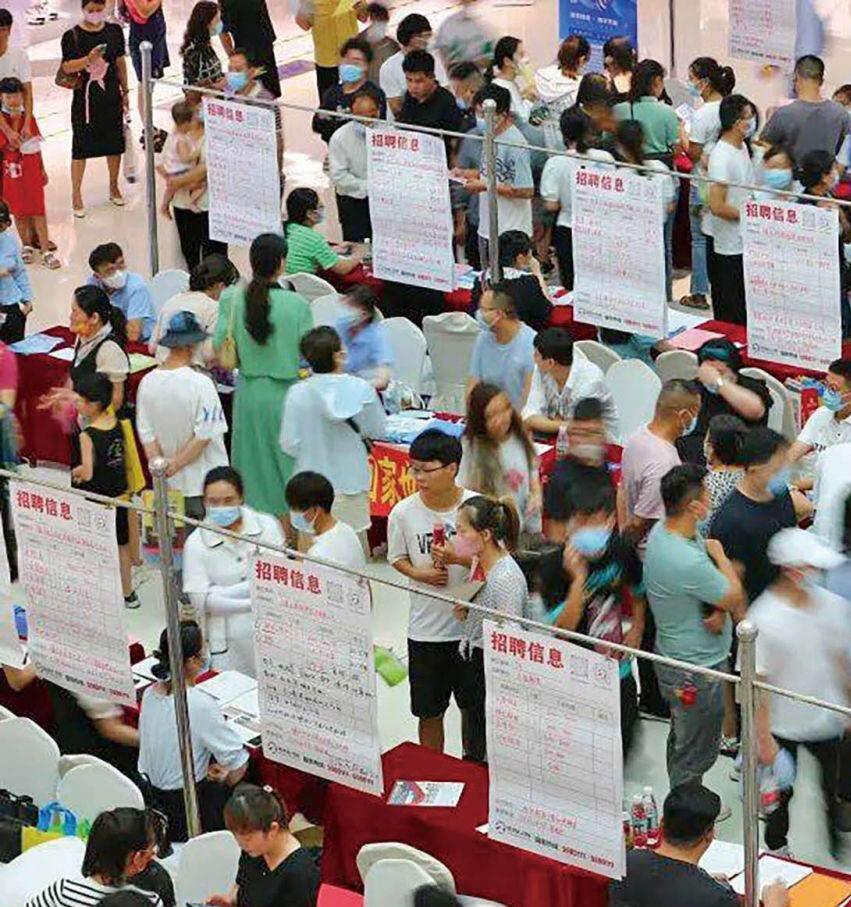
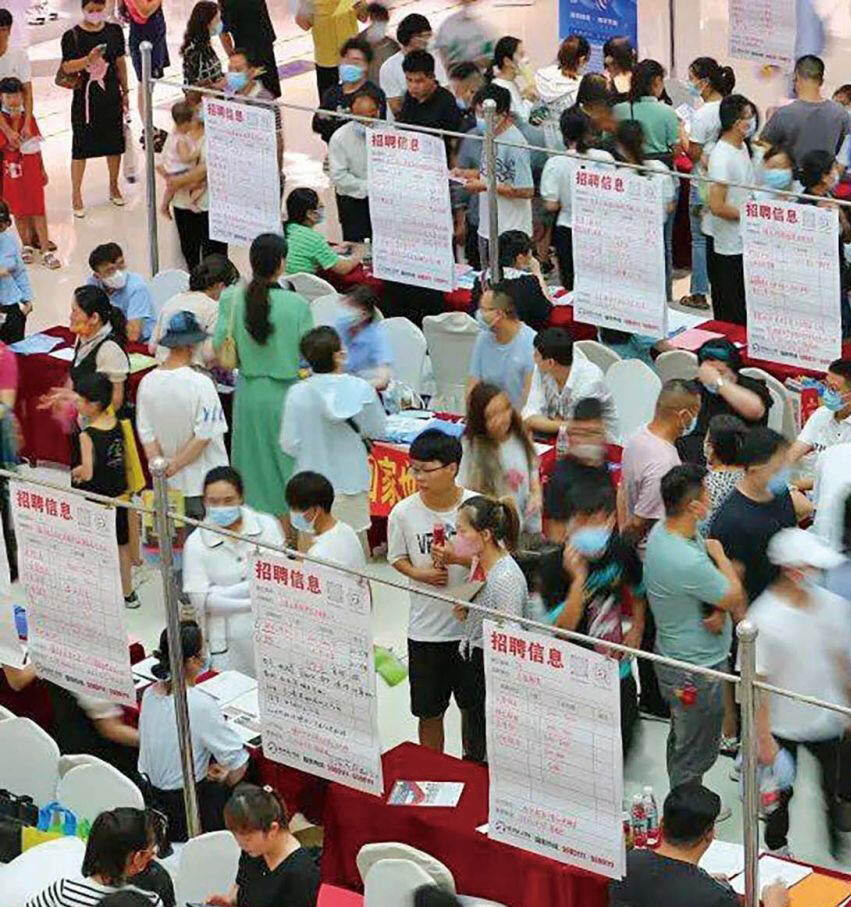
China has resumed releasing its youth jobless rate, which remained high at 14.9 percent last month - nearly tripling the overall unemployment rate - with even Tsinghua graduates finding it difficult to get a job and choosing to continue studying instead.
The overall unemployment rate inched down 0.4 percentage points yearly to 5.2 percent.
The unemployment rates of the labor force aged 16 to 24, 25 to 29 and 30 to 59, excluding school students, were 14.9 percent, 6.1 percent and 3.9 percent respectively.
Compared to the United States and the European Union, the youth unemployment rates were 7.5 percent and 14.1 percent, respectively, in June 2023.
The National Bureau of Statistics of China suspended releasing the unemployment rate of Chinese residents aged from 16 to 24 since August after the June number hit a record high of 21.3 percent.
In order to better understand the unemployment situation, the NBS chief Kang Yi explained that the new figure reflects the real scenario precisely as about 60 percent of this group are students.
He argued that the main task of Chinese university students was to study rather than to work, but the statistics included youth studying part-time in school with those seeking jobs after graduation.
The government was said to provide unemployed youth with more precise employment services and formulate more effective and targeted policies based on more accurate data.
Additionally, the unemployment rate for the 25-29 age group is also a brand new figure. According to the NBS, most youth who have just graduated at the age of 24 are still on the lookout, while some are not yet employed for full-time positions.
However, by the time they reach the age of 29, the majority of them will have found a stable job.
In fact, if graduates do not find a job in their graduating year, it is said to be more difficult to find a job later.
Thus, a higher portion of graduates in China choose to continue studying to keep their fresh graduate identity for another year.
Even at Tsinghua University, one of China's top two universities, 80 percent of its undergraduates plan to continue their studies instead of entering the labor market, according to a survey.
The top two employers of graduates are China Aerospace Science and Technology and State Grid Corporation, while the top two private companies are Huawei and BYD.
Many Chinese people are reported to spend more time in libraries after losing their jobs every day.
For instance, one student stayed in the library for five consecutive months.