Read More





HK movie producer Raymond Wong Pak-ming convicted of insider dealing
22-05-2026 17:10 HKT
Swire Properties wins compulsory auction for $2.02b Quarry Bay property
22-05-2026 20:36 HKT
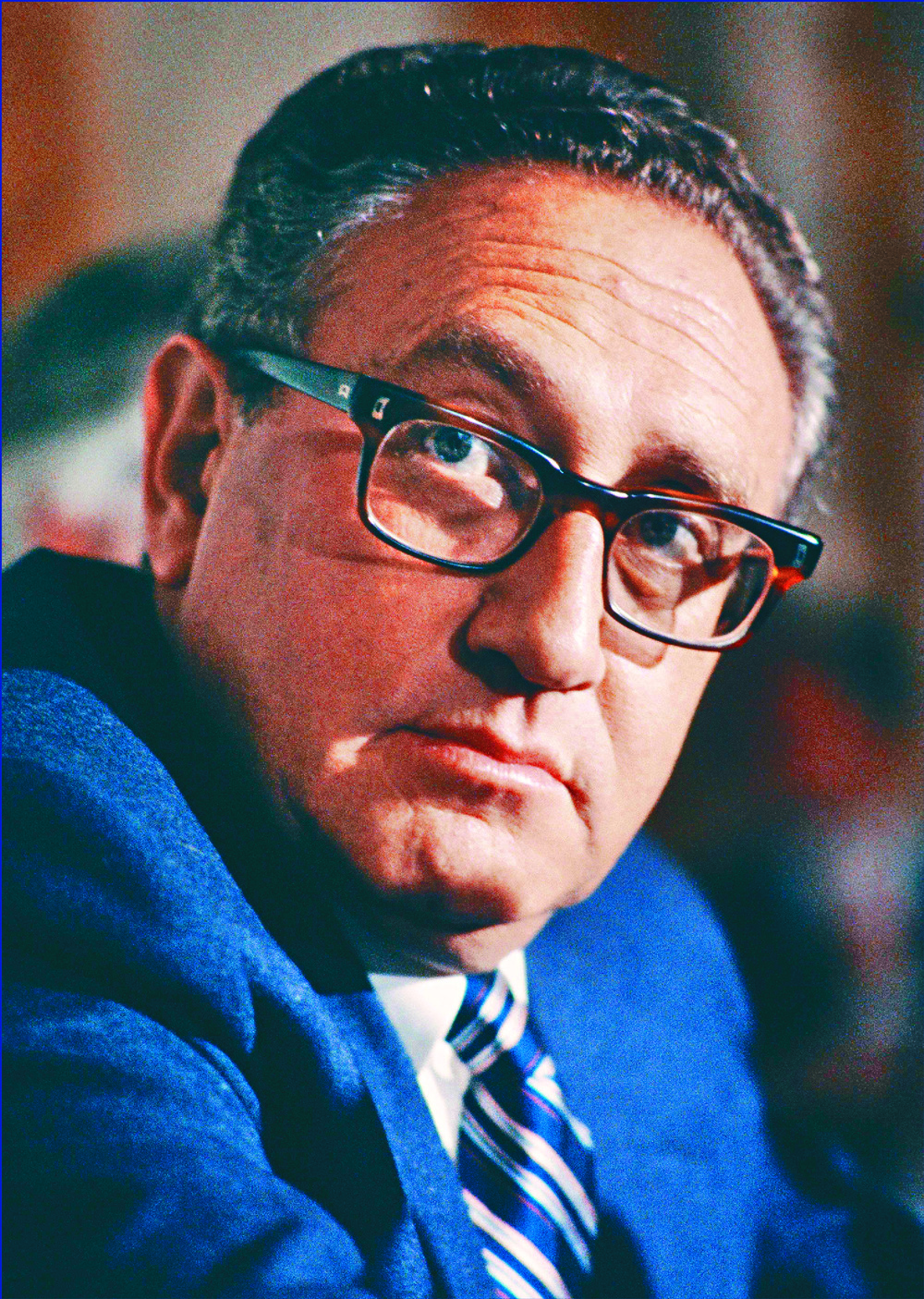
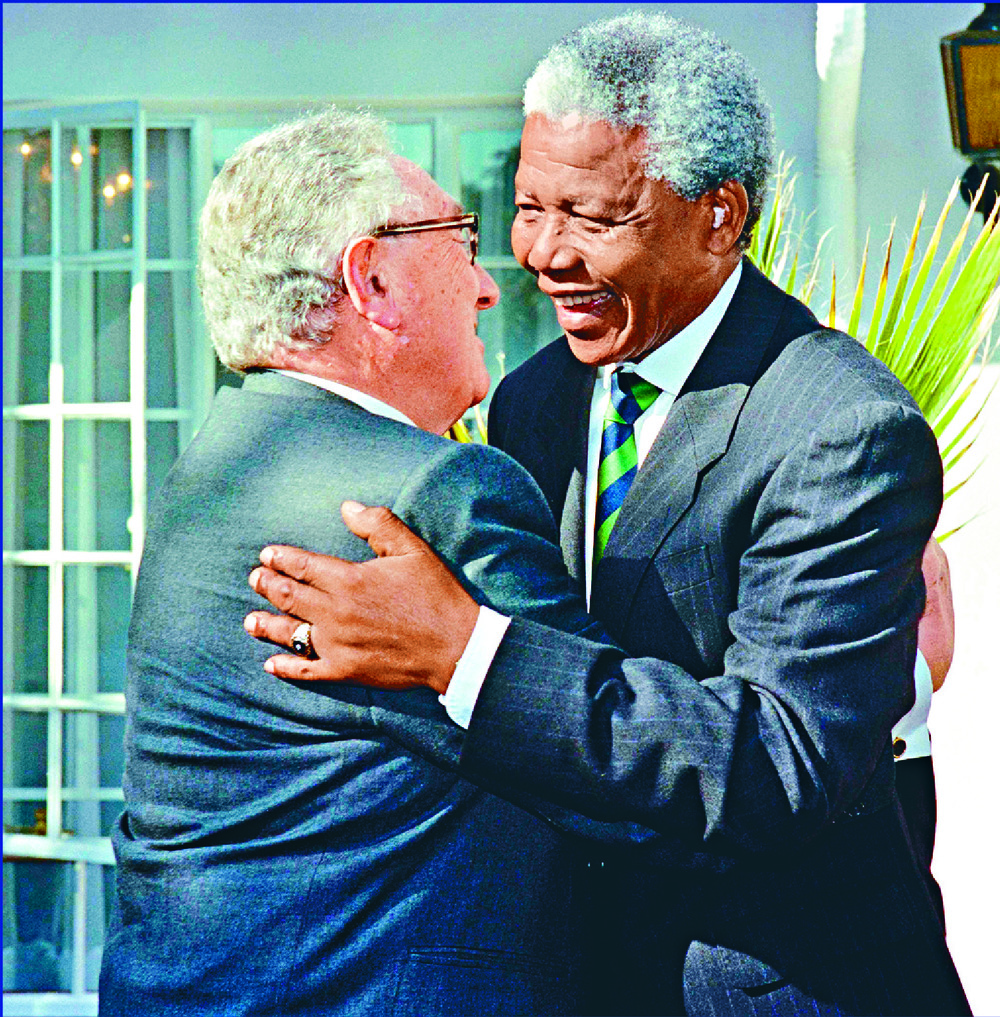
Henry Kissinger, a diplomatic powerhouse whose roles as a national security adviser and secretary of state under two presidents left an indelible mark on US foreign policy and earned him a controversial Nobel Peace Prize, has died. He was 100.
Kissinger died at his home in Connecticut, according to his geopolitical consulting firm, Kissinger Associates, through which he grew wealthy helping businesses for decades after his government career.
It said he would be interred at a private family service, to be followed at a later date by a public memorial service in New York City.
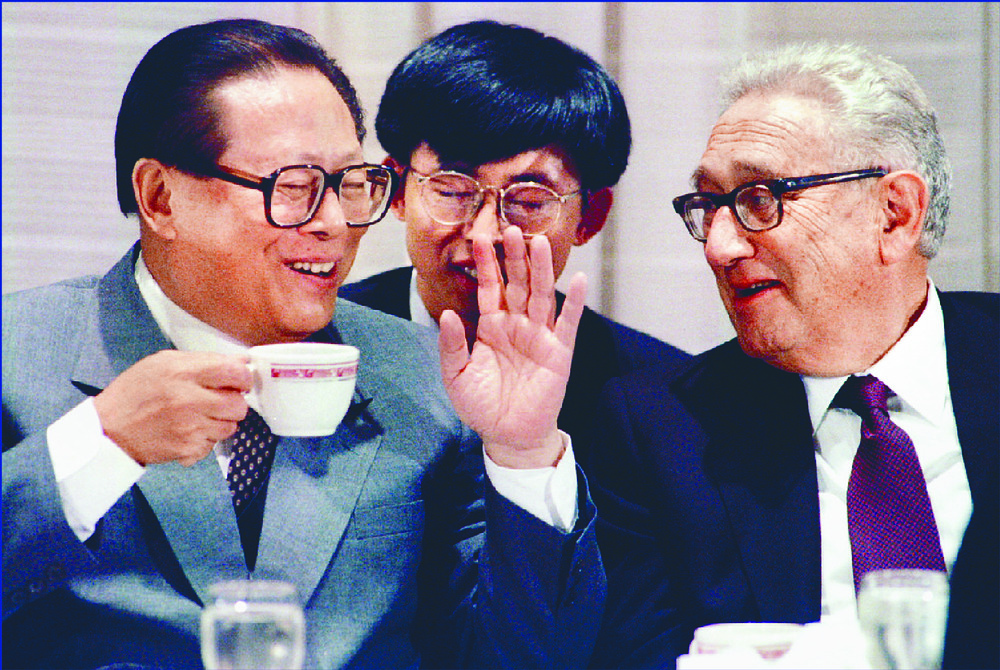
Kissinger had been active late in life, attending meetings in the White House, publishing a book on leadership styles, and testifying before a Senate committee about the nuclear threat posed by North Korea. In July 2023 he made a surprise visit to Beijing to meet President Xi Jinping.
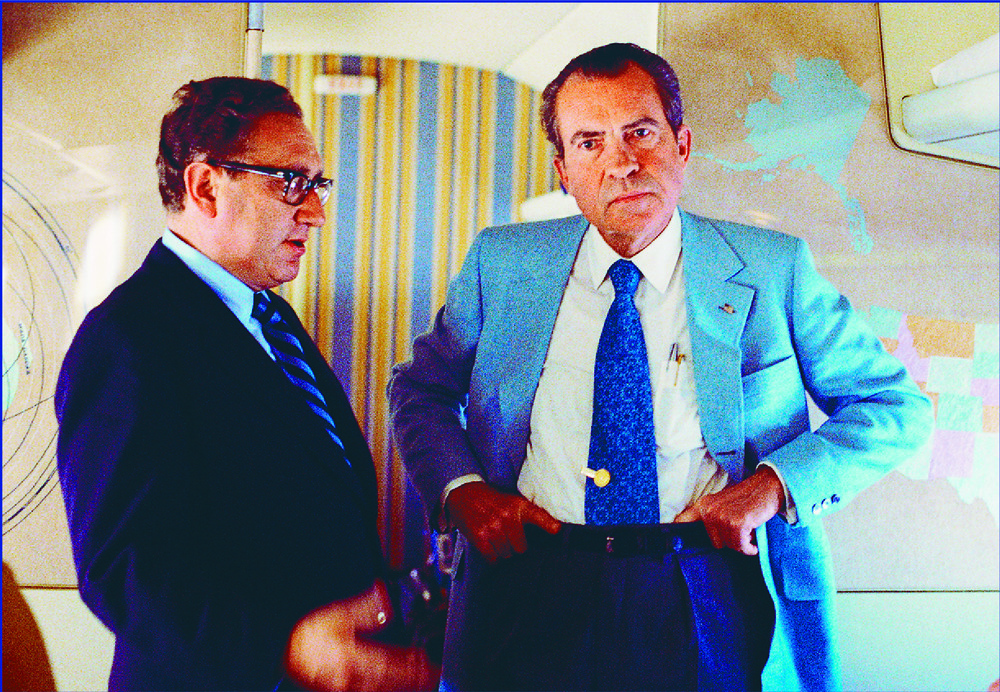
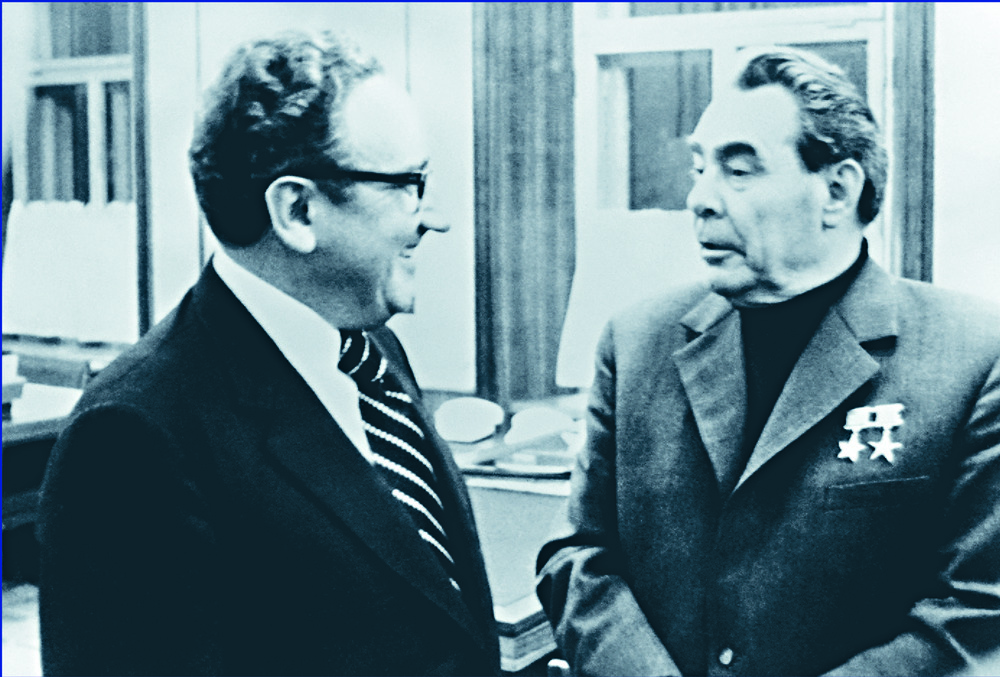
During the 1970s in the midst of the Cold War, he had a hand in many of the epoch-changing global events of the decade while serving as national security adviser and secretary of state under Republican president Richard Nixon.
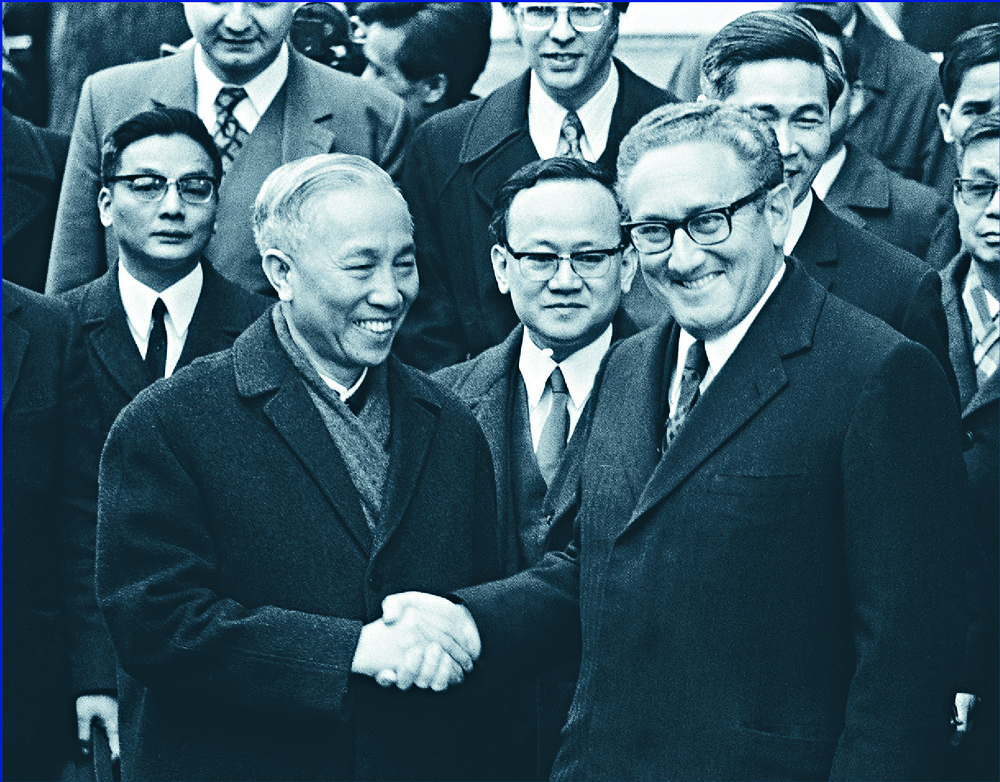
The German-born Jewish refugee's efforts led to the US diplomatic opening with China, landmark US-Soviet arms control talks, expanded ties between Israel and its Arab neighbors, and the Paris Peace Accords with North Vietnam.
Kissinger's reign as the prime architect of US foreign policy waned with Nixon's resignation in 1974 amid the Watergate scandal. Still, he continued to be a diplomatic force as secretary of state under Nixon's successor, Gerald Ford.
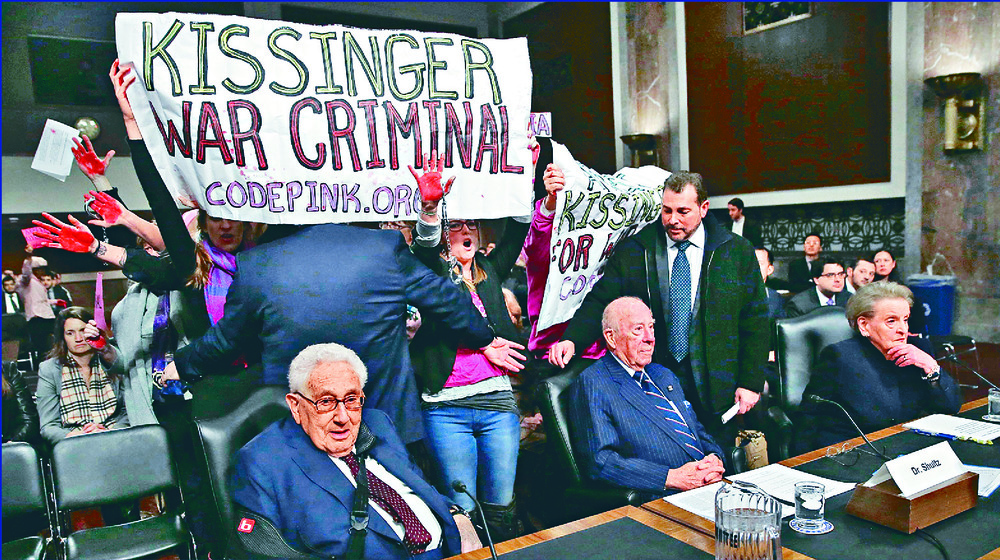
While many hailed Kissinger for his brilliance and broad experience, others branded him a war criminal for his support for anti-communist dictatorships, especially in Latin America.
His 1973 Peace Prize was awarded for ending American involvement in the Vietnam War but it was one of the most controversial ever. Two members of the Nobel committee resigned over the selection as questions arose about the secret US bombing of Cambodia.
North Vietnam's Le Duc Tho was selected to jointly receive the award but declined it.
Heinz Alfred Kissinger was born in Furth, Germany, on May 27, 1923, and moved to the US with his family in 1938 before the Nazi campaign to exterminate European Jewry.
Anglicizing his name to Henry, Kissinger became a naturalized US citizen in 1943, served in the Army in Europe in World War II, and attended Harvard University on a scholarship, earning a master's degree in 1952 and a doctorate in 1954. He was on Harvard's faculty for the next 17 years.
When Nixon's pledge to end the Vietnam War helped him win the 1968 presidential election, he brought Kissinger to the White House as national security adviser.
But the process of "Vietnamization" was long and bloody, punctuated by massive US bombing of North Vietnam, the mining of the North's harbors, and the bombing of Cambodia.
Kissinger declared in 1972 that "peace is at hand" in Vietnam but the Paris Peace Accords reached in January 1973 were little more than a prelude to the final Communist takeover of the South two years later.
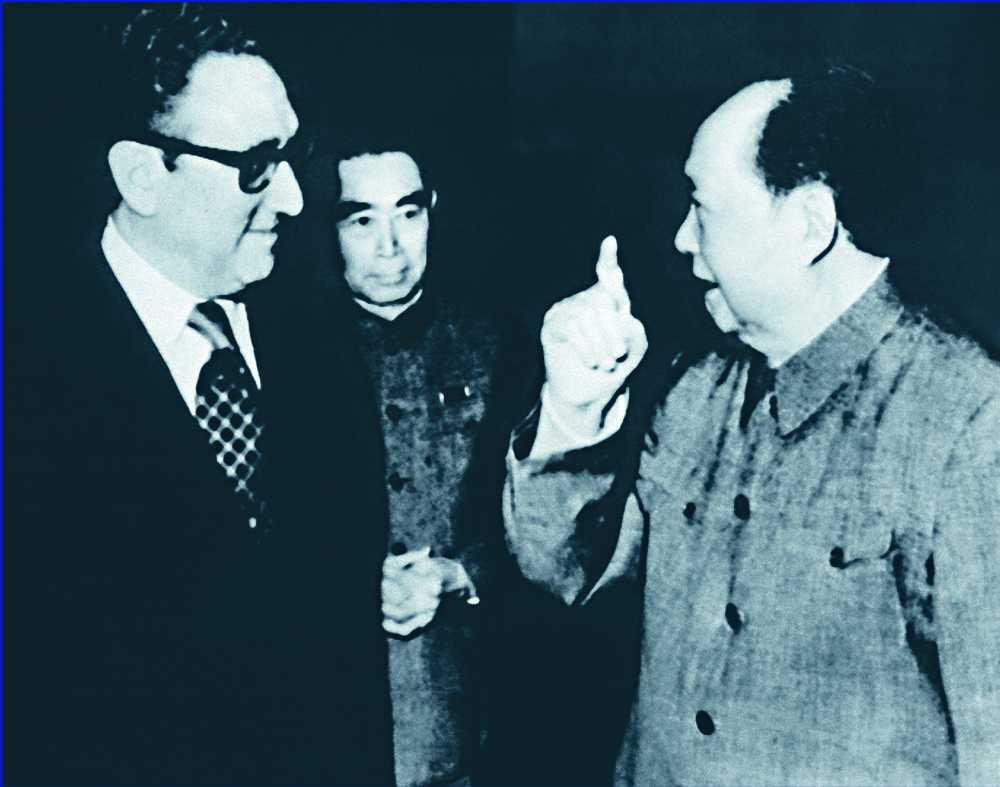
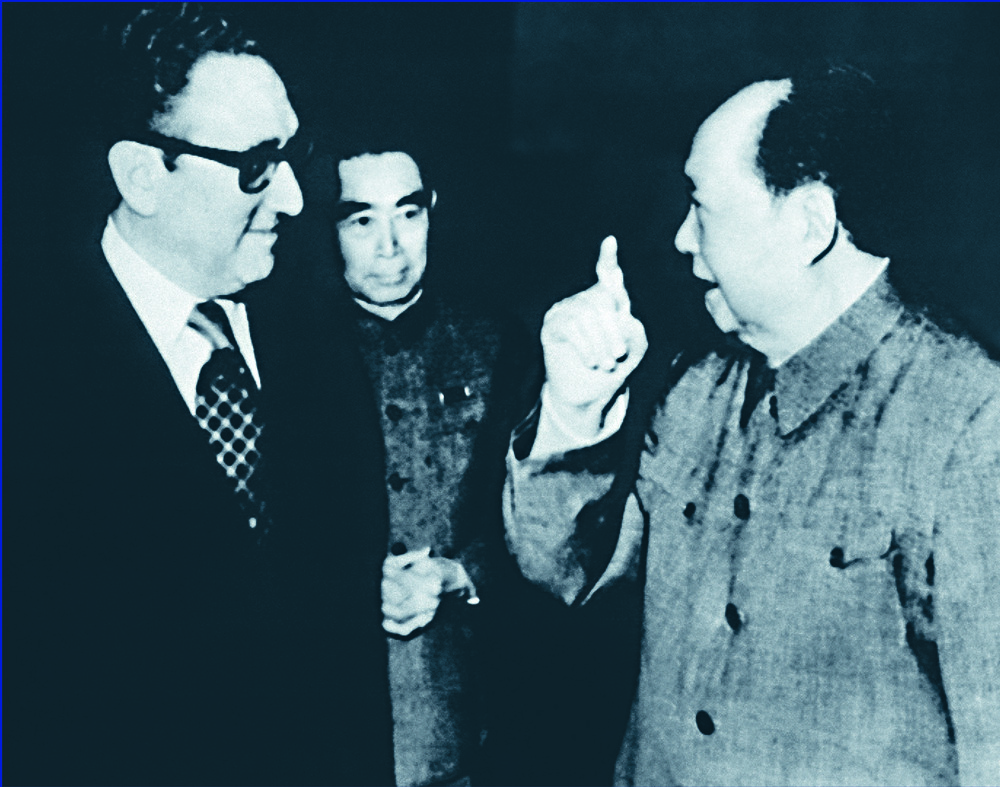
China was one of Kissinger's most lasting legacies. In an effort to diminish Soviet influence, Kissinger reached out to its chief communist rival, China, and made two trips there, including a secret one to meet with Premier Zhou Enlai.
The result was Nixon's historic summit in Beijing with Chairman Mao Zedong and the eventual formalization of relations between the two countries.
While Kissinger's intellectual gifts were begrudgingly acknowledged even by his critics, he remained deeply controversial for his philosophy of realpolitik - the cold calculation that nations pursue their own interests through power. Declassified documents showed that Kissinger gave his blessing to the undermining of Chile's elected Marxist president Salvador Allende and the 1973 coup by general Augusto Pinochet.
Kissinger also supported Indonesia, a close anti-communist ally, as it seized East Timor in 1975. More than 100,000 East Timorese died from the start of the invasion until Indonesia ended its occupation in 1999.
Kissinger also turned a blind eye to Pakistan's mass atrocities as Bangladesh won independence in 1971, believing the US interest was keeping Islamabad as the quiet go-between with China.